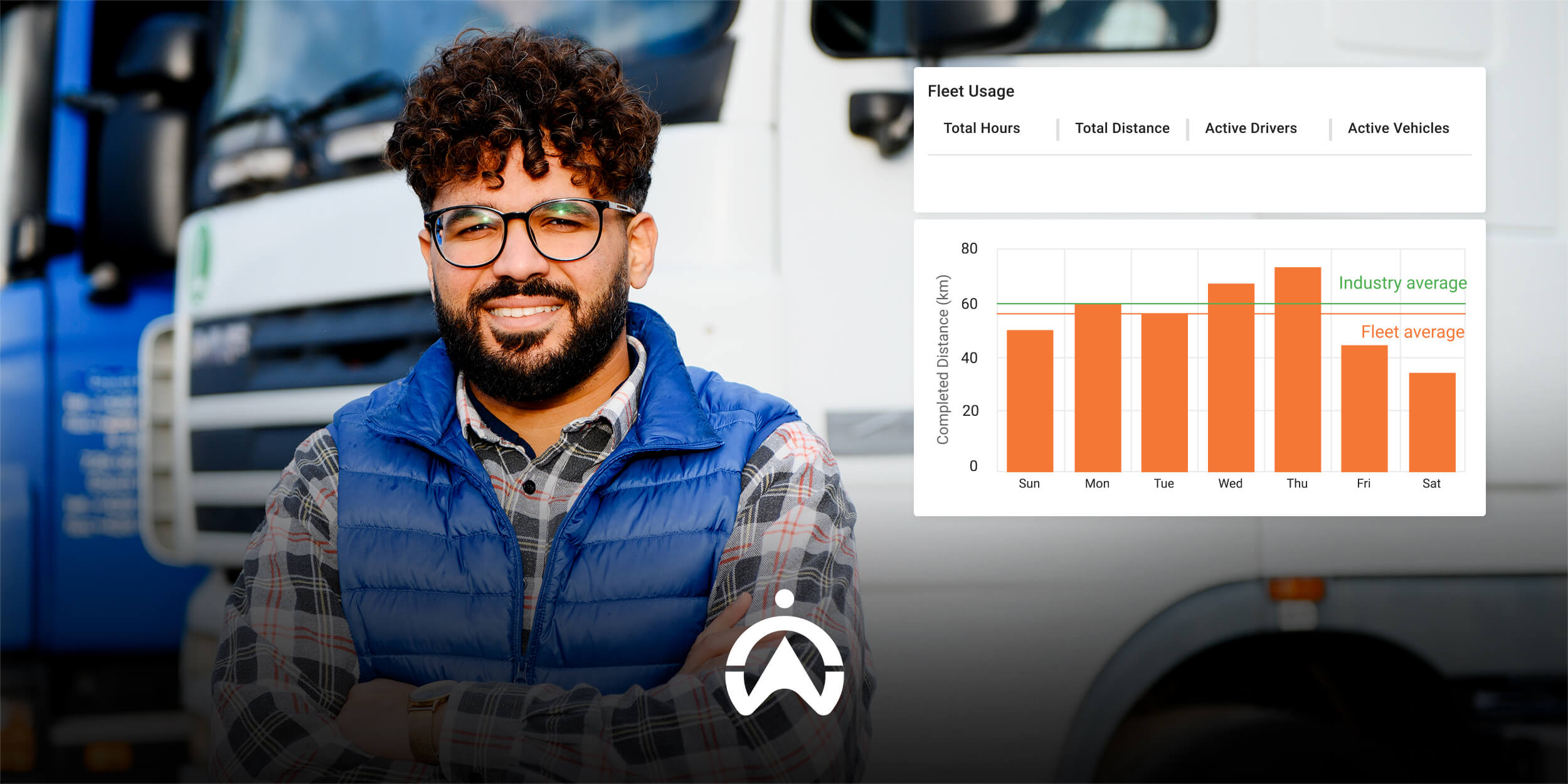
Fleet benchmarking is about effectively identifying key KPIs, gathering relevant data, and comparing it to top benchmarks. The aim is to genuinely grow your business and keep it competitive, so you don't have to react to issues but can prevent them.
Stats SA’s Governance, Public Safety and Justice Survey (GPSJS) 2024/25 shows that businesses using tools like telematics systems experience better operational performance and less unexpected downtime.
The 5 stages of fleet benchmarking are planning and defining objectives, choosing your metrics, collecting data, taking action and implementation, and reviewing and monitoring. Fleet benchmarking thrives with a strong process in place, and Cartrack makes that easy with FleetWeb’s automated data collection and reports.
2. What is the key to successful benchmarking?
The key to successful benchmarking is creating a plan of action based on accurate and data-driven insights. The more accurate your data is, the clearer the overall picture becomes, making it easy to spot patterns and gaps in performance. With Cartrack, you can leverage the necessary data and set realistic benchmarks.
3. What are the benefits of fleet benchmarking?
The benefits of fleet benchmarking are better safety, reduced costs, and longer vehicle lifespans. Cartrack’s FleetWeb dashboard lets you view and compare your metrics with industry standards, helping you strengthen your operational framework.
4. What are the 4 main types of fleet benchmarking?
The 4 main types of fleet benchmarking are:
Internal – comparing performance within your own fleet or business.
External / Competitive – comparing against similar businesses in your industry.
Functional – comparing best practices across different industries.
Generic – comparing general processes across industries.
5. What is the main goal of benchmarking?
The main goal of benchmarking is to keep your business competitive through consistent improvement and the addressing of any gaps. Cartrack gives you both the data and the tools to regularly set realistic goals and keep your business operating with confidence.
6. What tools help with fleet benchmarking?
The tools that help with fleet benchmarking include dashboards, data analytics systems, and fleet management platforms. Cartrack’s platform combines its dashboard, live telematics insights, and automated reporting to produce all the information needed to drive growth and improvement.
7. What is the purpose of benchmarking?
The purpose of benchmarking is to identify gaps and areas for improvement in your business. You measure your fleet’s performance internally and externally to boost overall results.
8. What technique is used for benchmarking?
There isn’t a single technique for benchmarking. Common techniques include trend analysis, gap identification, and adopting best practices. Cartrack supports these techniques with comparative metrics and trend data.
9. How is benchmarking measured?
Benchmarking is measured using KPIs and comparing your performance internally or with industry standards. Cartrack lets you monitor these KPIs, compare them against benchmarks, and track your fleet’s improvement over time.
10. How to manage a fleet effectively?
To manage a fleet effectively, you must prioritise cost management, optimise routes and fuel use, focus on safety, and use the right tools. Start by adopting a strong fleet management platform. Cartrack’s FleetWeb offers all the essential features.
11. How do Cartrack’s fleet management tools help fleet managers measure and improve performance against competitors or industry benchmarks?
Cartrack’s fleet management tools help fleet managers measure performance using detailed reports, route optimisation, driver scorecards, preventative maintenance insights, and comparative metrics.
12. What KPIs should you benchmark for your fleet?
The KPIs you should benchmark depend on your business goals. Important fleet metrics include fuel efficiency, total cost of ownership (TCO), safety performance and more. Make sure your KPIs are realistic and aligned with long-term growth.