When starting a fleet of trucks, the possibilities of profitability seem endless. Despite this, owning a truck comes with some major expenses. Some you’ll have are fuel, driver salaries, maintenance, repairs, tyres, insurance, and toll fees. The largest expense, however, of operating a truck will greatly depend on where you operate.
The expenses you’ll have from operating a truck will depend on where your fleet operates, the type of trucks you use, the distance your trucks travel and the types of loads they carry.
This blog is exploring the largest expenses of operating a truck, what expenses you can and can’t control, and why a fleet management solution is your secret weapon to saving costs across your truck fleet.
The main operational expenses of trucking generally fall into six categories. These are fuel, driver salaries & benefits, maintenance & repairs, tyres, insurance & compliance (licensing, permits, tolls), and lastly, vehicle financing and depreciation.
It’s important for fleet truck owners to know that each of these expenses operates differently. Some of them fluctuate because of international fuel prices, others increase with inflation and your trucks' age, while some costs stay fixed regardless of how many kilometres a truck travels.
If you ask any fleet owner what their largest single expense is, they’ll most likely say it’s fuel. This is because fuel is the most visible expense to fleet owners and operators. Not only are fuel prices constantly fluctuating, but it’s also paid for in cash at the petrol station.
So unlike your driver’s salary or insurance premiums, which mostly have a set price, diesel costs are affected by multiple things like the current price and how many kilometres have been driven. And because of this visibility, many fleet owners see fuel as their highest running cost.
Now, it definitely can be your biggest truck expense, but for a lot of trucking fleets, there are other hidden expenses that are actually costing them more!
So what besides fuel is costing fleets a lot of money? Well, according to ATRI’s 2026 Analysis of the Operational Costs of Trucking, in 2025, US trucking costs hit a record-high $2.336 per mile. But once they removed fuel from the equation, non-fuel costs alone equalled $1.854 per mile. Driver salaries contributed for about roughly 82 cents of that amount, and driver benefits added another 21 cents, meaning that combined labour costs ultimately outweighed fuel.
This data proves that the biggest cost for a trucking fleet will heavily depend on the locations they work in, the type of truck they use, and the routes they take. This also proves why it’s important to calculate each of your costs rather than just assuming it's the most visible one.
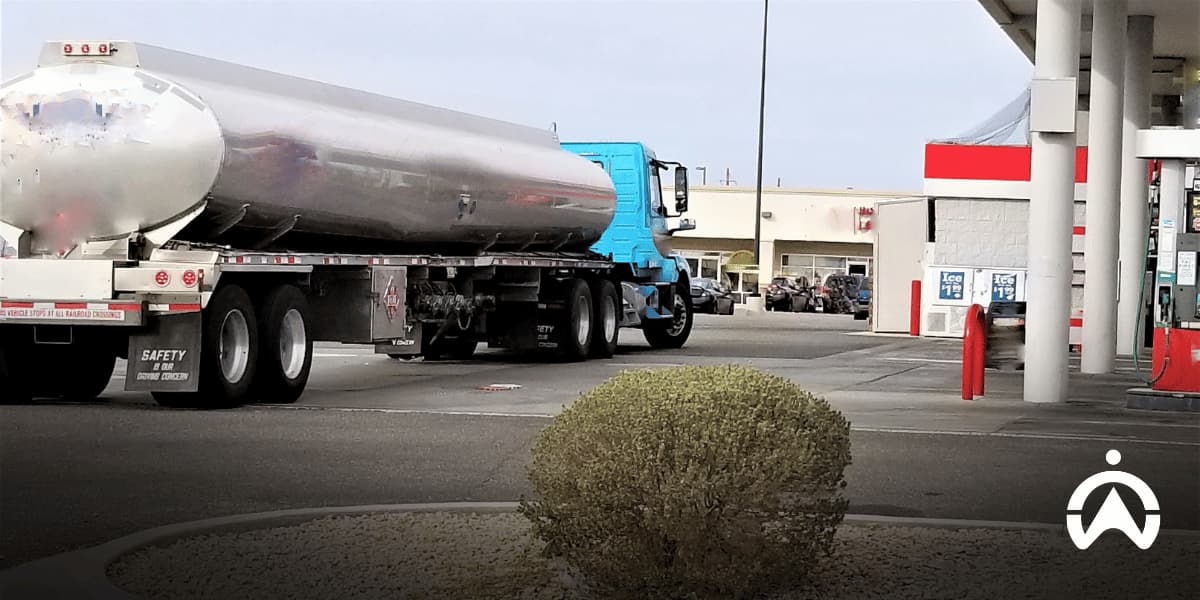
In South Africa fuel is more likely to be the highest expense for trucking fleets because, unlike the US, South Africa imports the majority of its refined fuel. So diesel prices are affected by both global oil market conditions and rand fluctuations.
The Road Freight Association (RFA) has frequently highlighted that diesel is one of the largest (but also the least predictable) costs that truck fleets carry. For example, in April 2026, the volatility of fuel became brutally apparent when the price of diesel jumped by about 32.5%. And even with the temporary fuel levy relief from government, the RFA warned that the increase alone could force small operators to shut down.
The amount of money you’ll spend on diesel will depend on the type of truck, route and load of your fleet. The RFA has estimated that diesel accounts for approximately 35% and 55% of a South African transport operator’s total running costs.
The fleets that will spend more are those with long-haul highway trucks that are carrying heavier loads over longer distances. Fleets with local or short-haul delivery vehicles would see a smaller percentage of fuel costs.
Operating a truck doesn’t just cost you fuel. It requires you to spend money on salaries, benefits, maintenance, tyres, insurance, tolls, and compliance as well. And depending on your fleet, some of these could end up costing you more than fuel.
Your drivers are going to be the lifeline of your trucking operation. But finding skilled and reliable drivers is going to cost you. Additionally, trucking is considered a high-risk job because they're often:
This means you need to ensure that drivers are well compensated, protected, and have benefits and allowances. Without these things driver retention is going to be difficult to achieve and can cause operational delays if qualified drivers keep quitting.
The next major expense you're going to have for your trucks is maintenance and tyres. Keeping your trucks well maintained is important for the longevity of your fleet; however, maintenance costs on a large truck are anything but cheap.
Additionally, South African roads are notorious for their potholes, and for long-haul trucks, gravel roads are still common in rural areas. These conditions are hard on trucks carrying a load and make maintenance costs more frequent.
Tyres are especially expensive for trucks, because some trucks have as many as 22 tyres. And with the price of each tyre costing between R3,500 and R7,000, long-haul trucks, especially those that travel across borders, have more frequent replacements.
According to Kweli, tyre costs work out to roughly R0.80 - R1.50 per kilometre. Tyres on cross-border routes typically last between 60,000 and 100,000 km depending on the road quality, load weight, and tyre management standards.
This means a cross-border fleet will spend roughly R25,000 - R50,000 per month for a single active cross-border truck.
Comprehensive truck insurance, goods-in-transit cover, licensing, permits and toll fees are all unavoidable costs that truck fleets have to budget for. If your trucks travel across borders, your insurance is likely to be higher, and you’ll need multiple special permits as well.
Toll fees are also ever-increasing. For example, a single trip on the N3 highway from Durban to Johannesburg will cost a Class 4 vehicle R1,247, making the total spend on tolls for a round trip R2,494.
Truck owners shouldn’t be asking what their biggest expense is. They should be asking what costs they can control and how to bring those costs down. Because unfortunately you can’t control the price of fuel, cross-border permits, toll fees, or the minimum wage for qualified drivers.
But you can install technology that helps with bringing your risk profile down, reducing how much fuel your fleet wastes, and improving driver behaviour to reduce wear & tear and fuel usage.
This is where fleet management software comes in. It’s not going to change the cost of diesel, truck payments, or the wages of your truckers. But it will give you visibility into your fleet so you can effectively shrink the waste that’s sitting inside every other cost line.
Fuel is the largest variable cost of any fleet, so any reduction here is going to make an impact. Fleet management software allows you to reduce fuel usage by optimising and tracking driver routes in real-time. This way you can ensure that your drivers are taking the most efficient route and not sitting in bumper-to-bumper traffic.
Fuel theft is also a major contributor to high fuel costs for trucking fleets. Fuel theft is done through:
To prevent this, you should install fuel sensors as an add-on to your fleet management software. Together they’ll pick up on driver behaviour that’s wasting fuel, location data to match fuel slips, and any sudden drops in fuel.
Real-time monitoring allows fleet operators to pick up on fuel anomalies immediately, rather than only picking it up at month's end when admin is being done.

Unexpected breakdowns and vehicle repairs cost your business not only money but also time. Fleet management software from Cartrack is connected to your truck’s CAN bus system and is able to provide you with advanced remote diagnostics.
From that, our system will send you predictive maintenance updates to let you know if something isn’t performing the way it should, even before it even appears as a warning on your dashboard. This will allow you to fix smaller problems in your truck before it causes a complete breakdown on the side of the road. Ultimately this can save you on maintenance costs and unexpected downtime.
Something that’s often overlooked is how much bad driving behaviour costs your fleet. When your drivers are speeding, idling excessively, braking harshly and taking corners aggressively, they increase how much fuel your trucks use, increase wear & tear on the truck, and increase the risk of accidents.
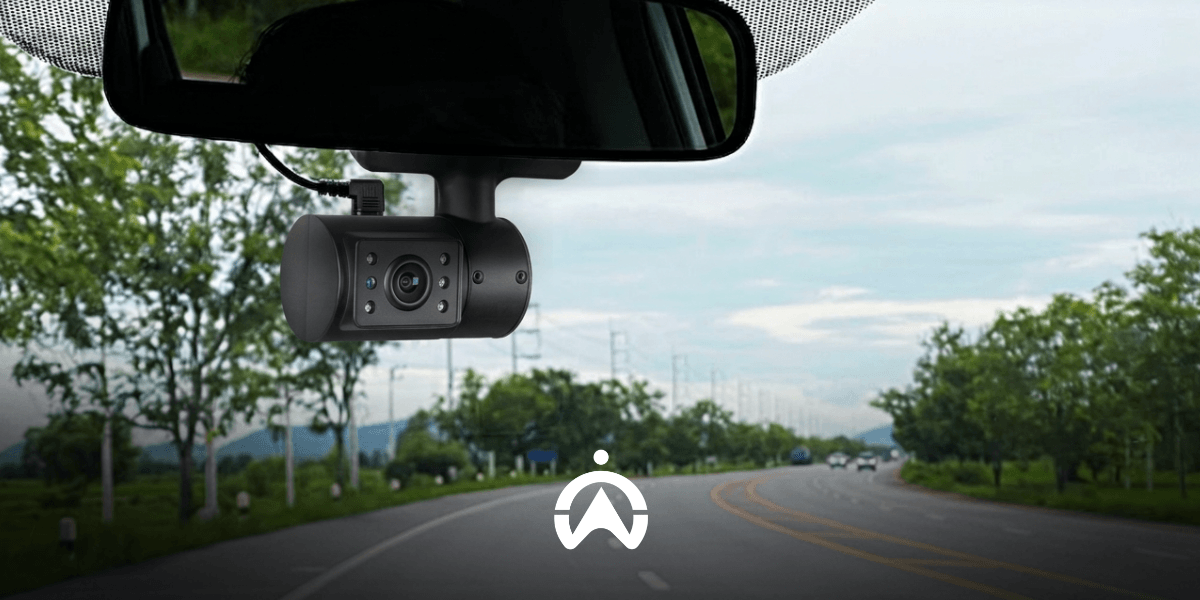
Fleet management software combined with AI cameras can help improve driver behaviour. The telematics system monitors and records driver behaviour. This data is captured on driver scorecards so you can individually coach drivers on their risky behaviour.
AI cameras installed in the cabin monitor drivers and pick up signs of:
Once a camera detects any of these signs, an in-cabin alert is made so that the driver can immediately correct their behaviour. An accident can cause your insurance premiums to rise, so by mitigating that risk, you can keep your insurance costs as low as possible.
Cartrack is the all-in-one fleet management solution that helps you make data-driven decisions for your trucking fleet. Our system allows you to monitor and track all of your trucks on one single platform, no matter where they or you are.
According to Deon Roux, the General Manager (at the time) of Botes Vervoer, Cartrack has provided them with the means to improve their profitability.
“This is achieved by assessing driver behaviours, idling times, kilometres driven, working hours, overspeeding, preventing our trucks from driving on unnecessary routes and so much more, giving us control over the fleet. With all of this data, we are able to train our drivers on specific areas. We can also now give more accurate information in the event of any insurance claims.”
With Cartrack you get:
If you're ready to optimise your trucking fleet costs, click here to speak to an agent and let Cartrack help you reduce costs and improve your profits!
Is fuel really your biggest trucking cost? See the 2026 SA fuel, wage and maintenance data, and how to control what's driving your costs up.