Every fleet manager has their blind spots. But the most common blind spot is underestimating how much bad driving costs their fleet. A solid focus on good driving behaviour WILL boost profitability and brand reputation. When you prioritise fleet synchronicity over speed, an amazing transformation takes place!
So why is good driving behaviour so often neglected?
And what does good driving have to do with customer service?
These are good questions, and the fact that you’re asking them shows a sense of development in your fleet management skills. Cartrack has seen unprecedented improvements in businesses across the globe when fleet managers apply one simple strategy: Improving driver behaviour.
Let’s explore what the right data can do for YOUR business.
Some of the main reasons for fleet managers to improve driving behaviour are:
Not convinced? As much as we might blame road conditions like weather and potholes for road accidents, an EU study found that around 95% of accidents are caused by human driving errors.
Whether you have branded vehicles or not, your drivers are constantly representing your company on the road and to your clients. Your brand is at stake every time they hit the road, which is why good driving habits should be a main focus.
Example: A passenger transport company doesn’t monitor their drivers. They soon develop a reputation for playing fast & loose with the rules of the road—and accidents are even reported in the news. Over a matter of months, fewer customers use their services and they quickly become unsustainable due to competitor preference in the mind of passengers.
Why is this counterproductive? Because even with unbranded cars, customers know which company they’re dealing with.
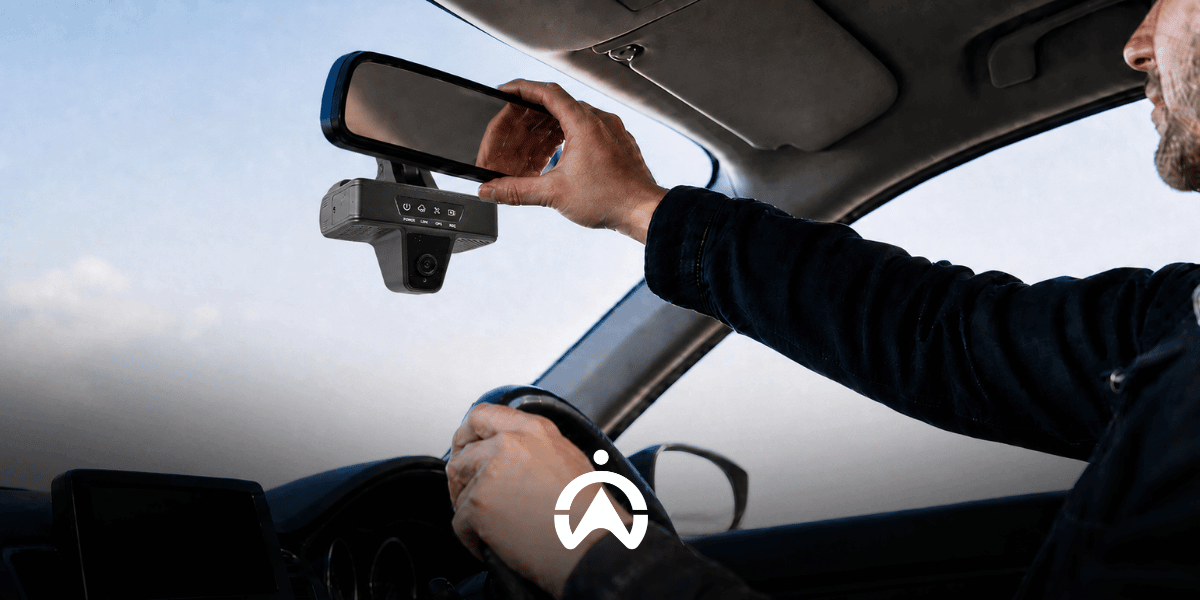
The Cartrack solution: Drivers are monitored via dashcams, and their driving is visible to dispatch managers through a live feed and recorded data that can be accessed whenever necessary.
Contrary to popular belief, speed isn’t as important in your delivery operations than synchronicity between drivers. Having a clear schedule that everyone is able to follow results in more deliveries and better deadline adherence compared to a strategy of getting to destinations as fast as possible.
Rushing around the roads of SA isn’t going to make your drivers more productive. It may sound counterintuitive, but it’s true. When it comes to the driving of any fleet operation, slow & steady wins the race. Your workforce should be working smart, not hard; but smart strategies are up to you to create and enforce.
These strategies lie in irrefutable data that guides every process.
Example: An agricultural truck logistics company moves cow feed from one farm to multiple other farms on a regular basis. Routes are disregarded, driving speed limits ignored, and drivers get to choose their assignments based on who gets to work first.
When one truck is being loaded, others have to wait because there’s no clear driving schedule. This adds pressure to the workforce who rush to their delivery points in a hurry. Despite speeding down rural roads, drivers arrive late, wrecking your trucks in the process.
Why is this counterproductive? Because there’s no clear system or schedule. Drivers are forced to meet their quotas and engage in unsafe driving to do so.
The Cartrack solution: One workforce optimisation data system that selects the best most efficient routes, schedules pickups & dropoffs, and records PODs automatically.
Driving safely and sticking to road laws is indeed the best strategy for using less fuel. The US Department of Energy concluded that speeding, harsh braking and aggressive cornering can cost your fleet 10% to 40% more in fuel. Imagine this in terms of a company that utilises 20, 10 or even 5 vehicles every day of the week!
You can bend over backwards trying to save money on fuel through various means, but ultimately using less fuel in the first place is way smarter. When you reduce fill-ups, your profits inevitably go up!
Example: A courier company neglects fleet management driver behaviour monitoring. Their drivers are incentivised to make as many deliveries in a day as possible, so they drive recklessly to meet their goals. The company fuel budget isn’t even taken into consideration because “speed” is the name of the game.
Why is this counterproductive? Because the money the company gets for making more deliveries doesn’t cover the high cost of fuel. It’s actually costing them MORE to allow their drivers to prioritise speed over careful fuel-saving driving in mind.
The Cartrack solution: Real traffic situations are monitored through a simple CAN bus reading tool that alerts managers to excessive idling, harsh cornering & braking, and speeding. A 20% decrease in fuel use is achieved and the company’s bottom line improves within a matter of weeks.

In addition to using more fuel, bad driving habits cause more rapid wear & tear on the components of your vehicles. Brakes will need to be replaced within shorter intervals, engines will undergo strain, and shocks, tyres and suspension will suffer quicker deterioration.
As a fleet manager you’re likely very aware of your company’s ROI. Your stakeholders are always thinking of your job and the fleet you manage in terms of what return they’re getting for their investment. And one of their largest expenses are the vehicles themselves. If vehicles are costing more to repair or replace, this will raise eyebrows.
Example: A private utility service company rushes from one area of a neighborhood to another without any regard for driving etiquette. When a vehicle breaks down, it’s simply repaired or replaced, which costs the company hundreds of thousands each year.
Why is this counterproductive? Because the vehicles are in good shape when they’re purchased, but don’t remain that way for long after they reach the 3-year mark.
The Cartrack solution: Diagnostic tools that depend on data feeds are used to detect driving wear & tear and predict exactly when services should be booked.
The most important reason to encourage good driver behaviour is for the safety of your drivers and other road users. The lives and health of your drivers are a top priority. Labour is the biggest expense in most fleets (yes, even bigger than fuel costs). But more importantly, lives and livelihoods matter to any responsibly-minded fleet manager.
Fleet managers should be communicating this message to their driving workforce. The safety protocols you keep harping on are for their own good. Let them know that you care for their wellbeing.
Example: A long-haul trucking company teaches their drivers about the importance of resting between stops and eating well to remain energetic and aware. But these principles are rarely enforced or monitored. One of the drivers working nightshift falls asleep at the wheel while driving and causes a 5-car collision that results in 2 casualties.
Why is this counterproductive? Not only does the company have to deal with legal repercussions for not enforcing good driver safety, but they also have to replace their driver by going through a tedious hiring and training process from scratch.
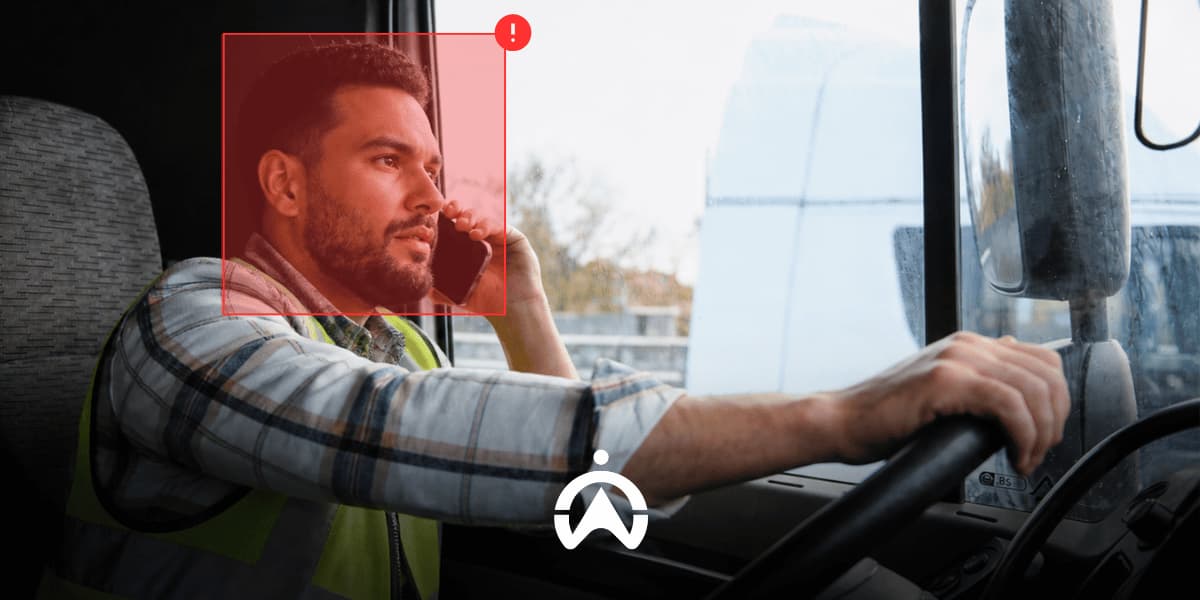
The Cartrack solution: Monitor drivers using AI-powered dashcams that offers drivers audible warnings of distracted or fatigued driving. A data system also alerts managers in real time whenever their drivers appear to be displaying prolonged eye closure or rapid blinking caused by fatigue.
Good fleet drivers possess distinguishing qualities: they prioritise driver action that promotes road safety, treats other road users with courtesy and gives themselves enough rest to perform well at their jobs. They also know how to apply defensive driving skills and are always seeking to improve their professional skillset.
Good driving means always meeting deadlines without having to compromise on safety. These drivers understand that a lack of driving safety will only result in future delays, eventual downtime and ultimate reputational damage.
If you have drivers who are always driving with other road users in mind, they’re worth keeping around! These individuals drive in a manner that considers the branding on the vehicle and always showing good road etiquette in front of other motorists. They know that being courteous is in their and others’ best interests at all times.
Defensive driving is the ability to foresee road hazards before they can occur. Drivers with defensive driving skills always maintain a safe following distance and are constantly aware of their surroundings. This is an invaluable skill for the safety of your drivers, vehicles and cargo, which is why it should be taught to your workforce.
A good driver knows that driving as a profession is stressful business. That’s why they prioritise their health by eating well and getting enough rest. They also use their leave time wisely and come to work refreshed. This driver avoids moonlighting and puts conscientious effort into their driving responsibilities.
No good driver will ever consider themselves untouchable. They know that their driving skills can always be improved upon and are willing to participate in training and coaching programs. They maintain a good attitude with their managers and will welcome data based corrections when it comes to their driver performance.
Driver behaviour tracking is done by fleet managers through the use of vehicle camera technology, gamification methods like driver scorecards, and real-time vehicle diagnostics analysis. Combined, these fleet solution technologies give fleet operators a fuller picture of their drivers and more control in optimising their behaviour.
Fleet managers can occasionally feel helpless when it comes to keeping their drivers in check. Afterall, they’re out there while you’re at home or in the office. You know what good behaviour looks like and how important it is. Chances are, they do too. But how to enforce good driving behaviour is another challenge altogether.
The need for driver behaviour monitoring is obvious, but this doesn’t have to be a process of added stress to your daily duties. Here are 3 ways to monitor your drivers and track their driving behaviour over time using invaluable data:
What better way to ensure safe driving than by watching them as they work? Vehicle cameras equipped with AI technology can detect and alert you to:
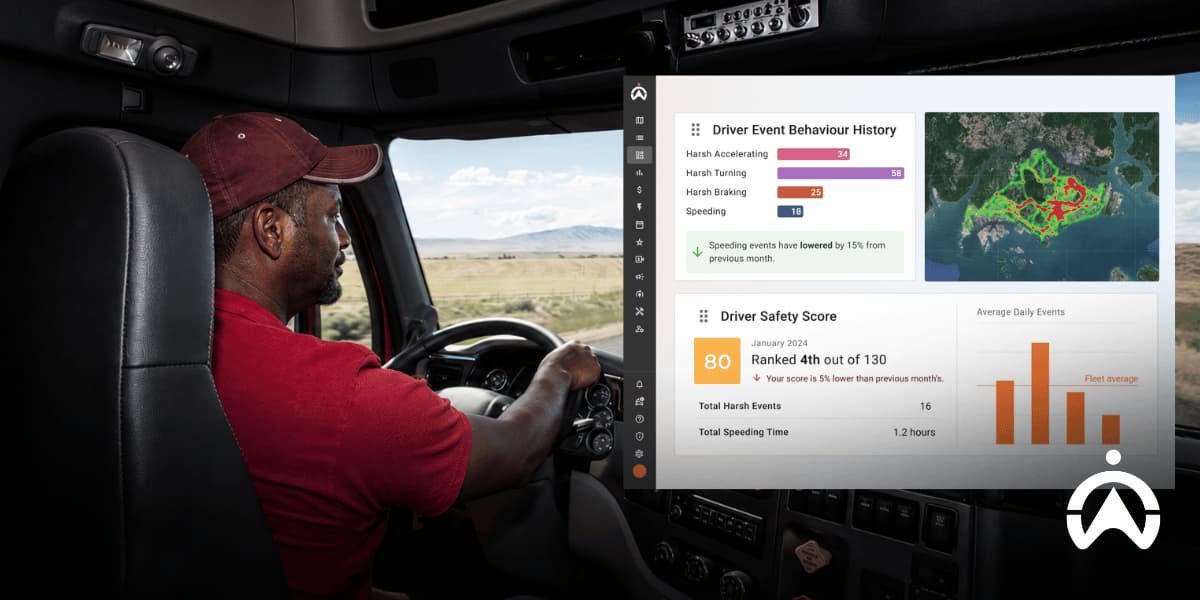
Turn safety into an incentivised system where good driving is rewarded. Use Cartrack’s driver scorecards to track the driving habits of your workforce and help them see telematics evidence for themselves to discover where they can make improvements.
Implement Cartrack’s CAN bus technology to your vehicles so you can read vehicle diagnostics data in real time. This ingenious sensor can detect driving habits like:
Strategies sound great on paper, but it’s time to turn theory into reality! Whether you have one truck or 500 cars, insisting on good behaviour in driving habits is a transformative process that can revolutionise your business.
When all the parts of your fleet are working together in synchronicity, profits go up!
Cartrack has seen this time and again, and thousands of companies around the world are adapting with our fleet technology data to create a better driving culture.
Speak to us about the driver challenges your fleet is currently experiencing, and let us demonstrate the tools that can solve your issues within a matter of days.
Attention fleet operators: learn the invaluable benefits of focusing on the behaviour of your drivers and get the tools you need to do so easily.