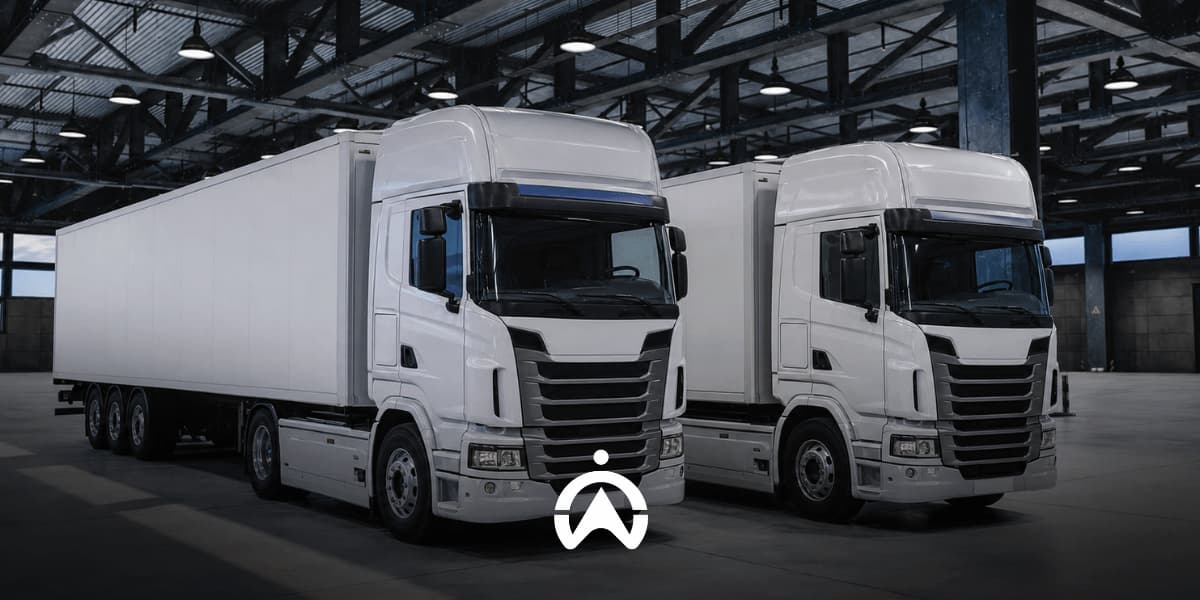
Owning a fleet of trucks comes with various costs. If you’re not correctly managing these costs, you won’t be able to successfully bring down the costs you can control. This FAQ page is exploring the top costs of fleet trucks, how you can make your fleet more profitable, and how Cartrack can help your fleet.
The one thing that can make you spend more than you should when it comes to operating your truck is driver behaviour. When your drivers are driving aggressively and idling more than they should, your trucks are going to burn more fuel, wear & tear is going to increase, and the risk of accidents becomes greater.
The largest expense for most fleets is fuel. The global prices of fuel are constantly changing, and these prices directly affect how much fleets are spending on it. The next largest expense for a fleet is driver salaries, benefits and on-road allowances.
All businesses, including fleets, can write off all of their operational costs. These are things like fuel, wear & tear, maintenance, salaries, allowances, fleet insurance, etc. However, you need proper documentation of everything, like logbooks and receipts for fuel. The Cartrack logbook can help you stay tax-compliant.
When it comes to truck operational costs, fleet owners and managers should be aware that there are costs you can control and costs you can’t. For example, you can’t control how much fuel costs, but you can implement technology and strategies to reduce your overall fuel spend in your fleet.
Realistically, there aren’t any operational costs that can be avoided, but you can avoid high operational costs. Installing a comprehensive fleet management system, the high costs that you can avoid are:
The best way to run a trucking company to be more profitable is to have complete visibility of your fleet. When you have a fleet management system, you’ll gain complete visibility and be able to easily spot any areas where your fleet is wasting money. The data will ultimately help you increase your profits.
Yes, maintenance costs are higher for older trucks. This is because the older a vehicle gets, the faster the wear & tear on parts are. This means you’ll be spending more on repairs and sourcing parts for older models.
Incorrect cargo weight distribution can cause excessive wear on certain components of your truck. This includes the truck's suspension, tyres, brakes, and axles. Additionally, incorrect cargo weight distribution creates more drag and weighs the truck down, causing it to use more fuel to move.
Asset depreciation silently affects fleet profits by reducing vehicle value without an immediate cash impact. So unlike your direct costs like fuel that are seen immediately on a bank statement, unnoticed depreciated assets lead to “phantom profits”. The problem with this is it makes your business seem like it's thriving on paper, but you’ll end up short on funds when replacing an old vehicle.
Wind shear costs more than heavy cargo weight because large cargo acts like a sail, so it increases the risk of rolling over. To effectively manage this risk, you must have specialised steerable trailers, a police/pilot escort and enforce strict driving speed limits.
Cartrack helps you manage your trucking costs by providing you with complete operational insights. These insights will show you exactly where your fleet is spending more money than it should. Fleet managers can then make data-driven cost-cutting decisions, making your trucking fleet more profitable.
It’s difficult to know if you're spending more than you should without having a fleet management system in place. Cartrack’s fleet management system will provide you with accurate data to calculate your fleet’s cost-per-mile (CPM). If your CPM exceeds your revenue per mile, then you’ll know that you're spending too much on your trucking expenses.