The secret to saving on fuel costs isn’t saving on the costs themselves but on the total amount of fuel used across your fleet. When you compare the difference between cost and usage, you’ll quickly come to the conclusion that using LESS fuel is better than paying less for it.
One of the ways most people save on fuel is through a fuel rewards programme. But are there other long-term strategies that can help you save on fuel costs? Keep reading, because the team at Cartrack is breaking it all down in this blog!
INTERESTING FACT: Did you know that South Africans spend roughly R14.76 billion on fuel every month? That’s an insane amount of money, and with the cost of living and prices of fuel fluctuating, it’s only normal for people and businesses to look for strategies that can help save on fuel.
Fuel reward programmes are great because they can provide you with discounts when topping up with fuel. However, these come with many terms and conditions. Some fuel-saving strategies that work better than these rewards programmes are driver behaviour, accurate fuel monitoring, vehicle health, and smarter fleet choices.
Driver behaviour such as speeding, harsh breaking, and aggressive acceleration all burn more fuel in a fleet. The biggest fuel waster is excessive idling. While it’s important to remember that you’ll never completely eliminate idling from your fleet, but you can work towards that goal and save thousands in the interim.
When your drivers are stuck in bumper-to-bumper traffic or stopped for a delivery, if they’re leaving the truck or van idling, they're burning through an insane amount of fuel. It’s been estimated that an idling car will use between 0.76 to 2.65 litres of fuel an hour, and a diesel truck will burn about 4 litres of fuel an hour just from idling.
Good driver behaviour and fuel-efficient driving are the best and most efficient ways you can reduce fuel costs. When you effectively train your drivers to stop and minimise unnecessary idling and to drive better, you’ll ensure a reduction on how much fuel your business uses.
Managing a fleet requires a lot of your attention, and many logistics operators miss those instances where fuel usage and purchases are simply overlooked. As a fleet manager, how do you know that the amount on the fuel slip matches what the fuel gauge said before filling up and after?
Without having accurate checks on this, you won’t know if your drivers are stealing fuel or committing fuel fraud or if one of your vehicles has a leak.
Road blocks. Traffic congestion. Pothole-ridden roads. All of these have a ripple effect on how much fuel your fleet burns through. When your drivers see that there’s heavy traffic coming up, they may try an alternative route, but without the right routing tools. They could be heading on a route that’s even worse or take a longer, fuel-burning route that you would never have approved of.
Having tech that immediately provides your drivers with an optimised route will prevent these detours from happening in the first place. You can ensure the best route that will cause your drivers to use the least amount of fuel.
The choices you and your drivers make can and will directly affect how much fuel your fleet uses. How you pack the back of a truck, the size of the delivery van vs the number of delivery packages, when you schedule deliveries, and tyre pressure and uneven loading can all contribute to how much fuel your fleet uses.
When packing your vehicles, don’t overload them; this will cause the engine to work harder to pull the vehicle. Don’t use your big delivery truck to deliver two small packages, it’s completely wasteful and unnecessary. If you can avoid scheduling deliveries during peak hours, the chance of your drivers spending time in traffic is minimal.

So what’s better? Saving on your overall fuel costs or using less fuel? What fleet managers need to keep in mind is that even though fuel prices may go down, they won’t be going down enough to make a difference. That’s why using less fuel is the only real long-term strategy for increasing profits.
The major difference is that the strategies to save on fuel costs require more work compared to just swiping a loyalty card at a petrol station. However, the work and consistency you put into saving fuel also improve your fleet’s efficiency and lifespan.
Every drop of fuel counts whether you’re running a fleet of 2 vehicles or more. It may seem like mission impossible to keep accurate track of fuel in your fleet, especially if you have a large one, but with the right tools, like the ones from Cartrack, it’s definitely possible.
Let’s take a look at how you can keep track of fuel usage in your large fleet.
With data showing that fleets can spend anything from 24% to 40% of their fleet budget just on fuel, placing fuel-saving strategies in place is imperative. For example, let’s say you have three drivers who are stealing 10 litres of diesel every second week. They do this by not filling the tank of their trucks and adding 10 litres to their jerry cans, paying with the company fuel card.
With diesel sitting around R23 to R24 a litre, let’s break down how much your business is losing.
Those are direct profits that are being stolen from your business. So how can you accurately track fuel top-ups? Cartrack has a fuel management system that can help with this. Our add-on service, MiFleet, is the perfect tool to help you keep track of all costs and expenses across your fleet.
Your drivers can upload a picture of the fuel slip, fuel gauge and fuel pump reading on the driver app. As the fleet manager, you can approve or flag the transaction instantly. This way you’ll know if a driver is attempting to steal fuel or if your fuel tank has a possible leak.
Investing in fuel-saving technology like Cartrack’s fuel management system ends up paying for itself. Think about it. Fuel is one of the biggest costs fleets have. When you're not actively monitoring every way your fleet is using fuel, you're inevitably going to be spending more on it. And with a big fleet, every cent and drop saved makes a huge difference.
Driver behaviour is the number one contributor to fuel use. If your drivers have a heavy foot and love speeding and taking corners like they're Dominic Toretto from The Fast and The Furious, your fleet will end up burning more fuel.
This is why driver training is such an important part of managing a fleet. YOU need to train your drivers to be fuel-conscious. Cartrack’s Telematics can help monitor driver behaviour and give you and your drivers alerts on excessive idling, speeding and other bad driving habits. Drivers are then rated by our driver scorecards, and you can do continuous, individual coaching on driving habits that burn fuel.
If you have a fleet, you may think that loyalty cards are enough, but your fleet could be saving so much more with the right long-term strategies in place.
But where exactly should you start? Here’s a list of questions you should be asking.
First, you need to partner up with a fuel management provider like Cartrack that can assist with streamlining your entire fleet operations. Let’s explore the different types of tech offered by Cartrack:
Carrtrack has three types of fuel sensors, but first you need to calibrate your fuel tanks. By calibrating your fuel tanks, our sensors will be able to more accurately monitor your fuel levels to give you a better reading.
The three fuel sensors we have are:
If your vehicles aren’t well maintained, they’re going to end up using more fuel than they actually should. Cartrack’s telematics system will give you automatic predictive maintenance alerts so you can always ensure that all your vehicles are performing the way they're meant to.
Not optimising your routes is a sure way to burn through fuel. It’s a simple yet effective long-term strategy for saving fuel. GPS technology, sophisticated algorithms and real-time road data are utilised to find the fastest, most fuel-efficient routes for your drivers.
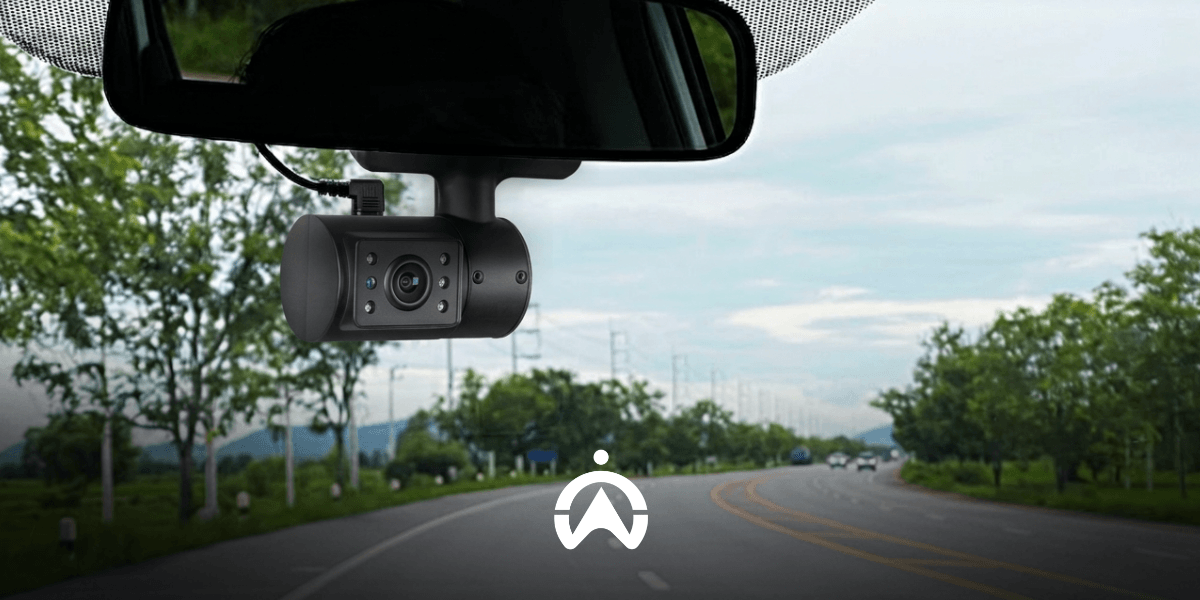
With Cartrack you can accurately monitor driver behaviour through our AI camera and telematics devices. The data it pulls, coupled with our driver scorecards, will give you an accurate reading on driver behaviour, allowing you to accurately coach each driver.
By making use of gamification, you can also incentivise your drivers to drive better, ensuring they use less fuel.
Cartrack’s system will send you detailed reports on idling; you can then speak and train those specific drivers. Another feature we have is that our system will pick up excessive idling and send you an alert.
Driver behaviour monitoring & coaching, fuel sensors, route optimisation, and idling alerts are the best long-term strategies you can use. Coupling these up with your fuel rewards programme is the best way to save on fuel in your fleet.
If you enjoyed reading this, take a look at our blog titled Fleet Card vs a Fuel Card: Which One is Better for Fuel Management?

Want to cut fleet expenses? Discover why using less fuel beats chasing lower prices and explore powerful long-term strategies to save beyond rewards programmes.