
Is your fleet spending way too much money on fuel? Then it may be time to check if your trucks are leaking fuel. To do this, do manual checks and install fuel probes with an advanced telematics system that will assist you with instantly spotting a leak.
With the price of diesel sitting at roughly R26.90 a litre, businesses can’t afford a leaky tank. And a fuel “leak” isn’t always something that’s easily spotted by looking underneath your parked truck. It’s also excessive idling or a hairline crack in your fuel injector dripping diesel into your crankcase.
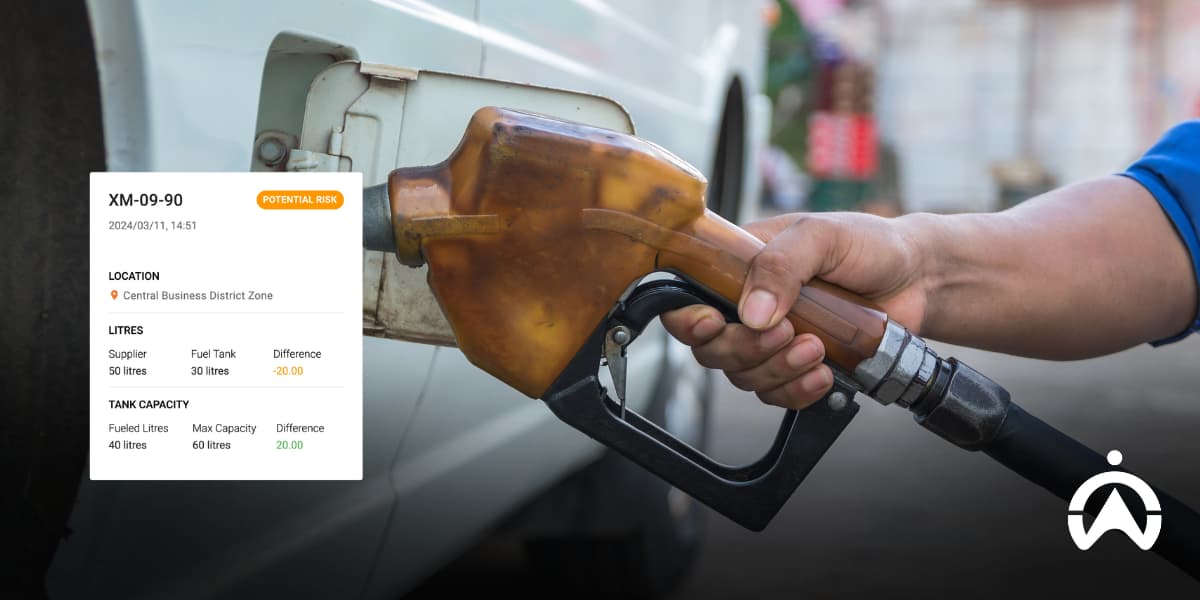
The best solution is a comprehensive one that, yes, requires you or your drivers to do daily physical checks. But also one that will actively monitor your fuel levels and driver behaviour and GPS location when fuel drops, as well as match fuel card swipes to slips and readings.
There are a few things fleet managers can do to detect a leak before it costs you thousands of rands. This includes physical checks, fuel sensors and real-time telematics. Each of these things individually can help you detect a leak, but together you’ll be able to spot it before it affects your business.
A physical inspection will always be important no matter what technology you have. Performing a thorough physical inspection includes:
Additionally, ensure that fuel lines, injectors, filter housings, and tank-fitting checks are done at every major service interval. This way small leaks will be caught before they require major emergency repairs and result in a fire risk.
Real-time telematics for a fleet is no longer a nice-to-have; it's a must. While physical and mechanical checks work, they only work after something is wrong. A telematics system that’s connected to your truck’s CAN Bus can pick up faults when they're still small. So if your engine is not getting the fuel it needs, you’ll be alerted.
Real-time telematics also monitors driver behaviours like idling, speeding and hard braking that all burn excessive amounts of fuel. On top of that, you can use it to check GPS locations and odometer data, so you can check every fuel event against where a truck truly was and how far it actually travelled.
Real-time telematics makes it super easy to instantly spot anomalies such as:
Fuel sensors can save fleets from a fuel leak in the tank because every drop is monitored. Fuel sensors are installed into a truck’s fuel tank or connected to the fuel wiring to give more accurate readings.
Having these installed, you’ll be able to instantly spot a leak (or theft event) in your fuel tank.

Stopping a fuel leak is just as important as spotting one. If you want to bypass the constant worrying that your fuel is leaking, you need to take some steps to actually stop it. Things like closing the visibility gap, maintaining the places that actually leak fuel, monitoring idling, and tracking fuel card data can stop leaks from happening.
The highest level of protection you can have is GPS tracking paired with fuel-level sensors and fuel-card integration. This will provide you with the highest level of control over your fuel in your fleet.
So instead of you doing checks at the end of the month and only then picking up on a leak. Cartrack’s fuel monitoring system will give you real-time, per-vehicle, per-transaction data, meaning you’ll spot an anomaly the second it happens.
You need to strengthen and maintain places that actually leak fuel. Invest in anti-syphoning devices that can lock fuel caps and double as protection against slow evaporation that happens when a fuel cap is worn out.
Predictive maintenance will ensure that your truck is always running smoothly and that every part of your truck is working as it should. It’ll pick up if there’s an issue with fuel and power, so you can sort it out immediately and not just when your truck breaks down on the side of the road or bursts into flames.
An advanced telematics system can monitor driver behaviour and pick up idling events. It’ll also differentiate between productive idling and unproductive idling. With Cartrack we provide you with all this data and driver scorecards so you can individually monitor and coach your drivers.
Fuel leaks and fraud are common occurrences for fleets. This is why it’s imperative to actively monitor fuel card data. With MiFleet, your drivers can upload a pic of their slip, fuel gauge and the fuel pump reading on the driver app. As the fleet manager, you can then approve or flag the transaction instantly.
Fuel is one of the largest costs to any fleet, but it’s also your most controllable. Did you know that fuel can take 30 to 40% of your total operating costs? But you can bring that percentage down by spotting the "invisible" leaks.
So how much can fuel loss cost a fleet with the current cost of diesel? Let’s say fuel waste, theft and fraud make up for 5% to 20% of your annual fuel budget. If your fleet is spending an average of R20 000 000 a year on fuel, that equates to R1 000 000 to R4 000 000 a year!
While fleet managers may think fuel theft should be their main concern, it’s the silent, slow and unnoticed leaks & misuse that make up a huge portion of fuel loss as well.
In Indonesia, a coal mining company, Bukit Asam, faced difficulties identifying the root cause of abnormal fuel consumption across its operational machinery. As fuel monitoring relied heavily on manual records, and the operations team lacked verifiable evidence to investigate suspected fuel theft and misuse, resulting in delayed investigations and financial losses.
They then implemented Cartrack’s operational intelligence system across its mining fleet, combining telematics, fuel monitoring, and AI Vision solutions to improve operational visibility, driver safety, and fuel accountability.
After implementation, Bukit Asam achieved a 10% increase in coal production while improving fuel efficiency. In a single quarter, they achieved a positive ROI, saving Rp 90.8 million (R82,928.00) in fuel costs.
Fleet trucks often operate in high-stress environments, and a typical diesel fuel system also runs through multiple high-pressure zones, and each of them fails differently. This means it's easy for things to break or crack over time. Which is why it’s important that regular maintenance and checks are done on the parts that can leak fuel.
Let’s take a look at all the parts that can leak fuel in your fleet.
A fuel injector regulates the amount of fuel that travels into the vehicle's engine’s internal combustion chamber. The injector lines carry the fuel from the fuel tank to the injector at extremely high pressures.
Standard fuel injector lines operate between 30 and 60 PSI (pounds per square inch), and direct injection for gasoline engines runs between 2,000 and 2,900 PSI. Most fleets, however, have heavy-duty diesel trucks, and their fuel injection lines range from 10,000 to over 30,000 PSI.
That pressure places a lot of strain on these small metal tubes. And because most fleets are constantly travelling and driving through rough terrains, that can also add stress to the injector line, ultimately causing a crack.
What’s important to note here is that these leaks aren’t just a financial risk. They're a safety hazard because you’re going to have fuel misting directly onto an extremely hot engine.
Each injector is sealed with O-rings at two points: one on the top and one at the bottom. Unfortunately, these rings tend to degrade with age and heat. When this eventually happens, fuel will start leaking around the injector’s body rather than travelling to the cylinder.
Signs of this happening are:
If you have excess fuel pressure (a clogged return line or a failing regulator), they can all push the fuel filter housing way past its seal tolerance. This is a common diesel leak point because filter changes are too frequent and gaskets are set incorrectly during routine vehicle maintenance.
The Cartrack advantage: Our advanced telematics system provides you with predictive maintenance alerts so you’ll know exactly when it’s time to send a truck in for maintenance!
The fuel tank itself could leak thanks to corrosion on the tank fittings, small holes from debris, or a damaged sending unit's seal leak. For fleets that have trucks driving on all sorts of terrains, damage to the fuel tank is highly probable.
The biggest problem with this type of leak is that it’s difficult to spot because it doesn’t affect your truck’s performance unless it’s severe.
The most difficult leak to spot is one that happens because of a loose or worn-out fuel tank cap. When the fuel cap isn’t sealing the way it should, your fuel isn’t spraying out but evaporates instead.
Fleets can end up losing so much fuel over a prolonged period of time, and managers wouldn’t even realise it because there’s no mechanical symptom to point out this leak.
The Cartrack advantage: installing a fuel probe can help you accurately monitor every drop of fuel in your tank!
A fuel leak isn’t just a cash burner; it’s a 16-wheeler hazard. A fuel leak in bumper-to-bumper traffic and a rogue cigarette butt is all it takes for your truck, cargo and driver to go up in flames. This is exactly why it’s very important to consistently check for any fuel leaks and fix them immediately.
According to ATTAR, the second most common cause of truck fires is “fuel line abrasion, damage or failure that results in fuel leaks or aerosols making contact with adjacent hot surfaces (e.g., exhaust manifold or turbocharger)."
And it’s not just the actual truck that’s at risk; it’s the cargo as well. If your truck is carrying highly flammable substances, you're putting everyone around the vehicle on the road at risk as well.
Unnecessary idling is not necessarily leaking fuel, but it’s definitely burning through it at breakneck speeds. Unproductive idling is one of the largest fuel burners in a fleet. Based on data gathered by Argonne National Laboratory in the US, trucks burn through more than 6 billion gallons of fuel a year through idling.
This costs the trucking industry over $20 billion without moving a single km!
With the price of diesel being through the roof, fleets can’t afford this loss. And while idling may not be a direct leak, it has the same effect. Fuel is purchased, fuel is burnt, and you have nothing productive to show for it.
The best thing about idling is that it doesn’t have to cost you a lot to fix, because this is a driver behaviour issue. By monitoring and coaching your drivers you can eliminate unnecessary idling completely.
A fuel leak isn’t always a large puddle under a truck. It’s typically a hairline crack in your injector line, a loose fuel cap, an engine that’s left idling, a worn-out O-ring, or a company fuel card swipe that doesn’t line up with a GPS location. All of this contributes to your business losing money.
Fleets that aren’t wasting fuel and improving their profits are the ones that combine physical inspections with an advanced telematics system that provides complete fuel visibility. By doing this, any drop in the fuel tank and any mismatched transaction are flagged immediately, not a few months later.
Fuel takes up roughly a quarter of the average fleet’s operating budget. And if you want to ensure that your fleet isn’t spending a cent more on it than it has to, get in contact with Cartrack today so we can help you gain complete visibility on your fleet’s fuel usage.
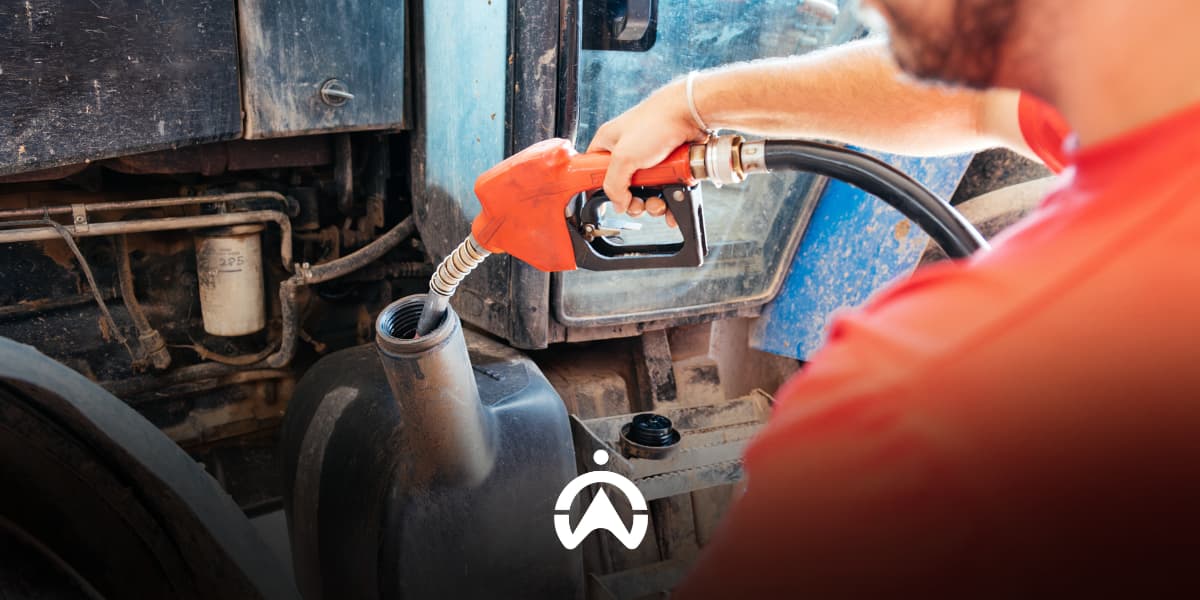
Prevent leaky tanks from draining your bottom line. Learn how to detect truck fuel leaks using physical checks and telematics to protect your fleet budget.