A fuel management system should give you real-time fuel level updates.
All fleets have different needs, which is probably why you’re here… looking into each fuel solution and assessing which one will work for you.
BUT FIRST you need to ask the right questions related to things like costs and sensor accuracy. This should bring you a step closer to finding your most suitable fuel management system.
Finding the best fuel management system for your business all depends on what your main concerns are. We offer a top-of-the-range fuel management solution, making us one of the best in South Africa. We’ve got comprehensive solutions that ensure you see exactly how your fuel goes down the drain. This helps you implement corrective measures to save as much fuel as possible.
Today we give you reasons why you should consider our fuel management solutions and some extra tips on what you should look out for in your search.
The best fuel management system should have software and hardware that keeps up with fuel usage. The hardware should include things like GPS tracking devices, cameras, and sensors. The software should have features like route planning tools and fuel consumption reports.
A fuel management system should address everything related to fuel loss, from theft and fraud to the waste caused by things like idling and detours. You need to have a strategy in place, and a good fuel management system should help you execute that strategy in the best way possible.
At Cartrack we’re known to have one of the best fuel management systems in South Africa because we have all the software and hardware tools you need to carefully monitor your fleet’s fuel consumption levels. With us, you’ll also have easy-to-implement solutions that help you save costs, detect signs of theft, and improve driver accountability.
The goal is to cover everything fuel-related, and with our solutions there’s nothing you’ll miss, which is why we’re one of the best fuel management system providers in South Africa.
Here’s what our comprehensive fuel management plan entails:
It all starts with knowing where your vehicles are at all times. You can’t confirm anything without seeing live locations. Through this, you’ll see whether your drivers are actually following the routes you suggested. You’ll also see where they go to refuel and what might be causing delays.
A fuel probe is a sensor that’s inserted into a fuel tank and then connected to the telematics device to measure fuel levels while a vehicle is on the move. Through this, you’ll see each vehicle’s real-time fuel level status from our platform and can set up alerts for drastic drops of fuel per vehicle so you can spot theft such as siphoning. You’ll get trip histories with graphs that show fuel usage throughout each journey so you can see at which point the most fuel was used.
The fuel analog is another sensor that tracks real-time fuel levels. To do this, a cable is clamped to the vehicle’s fuel wiring and the data recorded through the telematics device. The data is sent to our platform for you to view. The accuracy of fuel analogue data is highly dependent on the fuel pump underneath the seat, so if you get this one, make sure your pump is working optimally.
The Controller Area Network (CANBus) is a modern vehicle digital system that enables communication between different parts of the vehicle like the engine, the radio, and the steering. This communication system helps the vehicle run smoothly. Using our technology, we can tap into a vehicle’s CANBus so you get detailed information on fuel consumption on your fleet management platform.
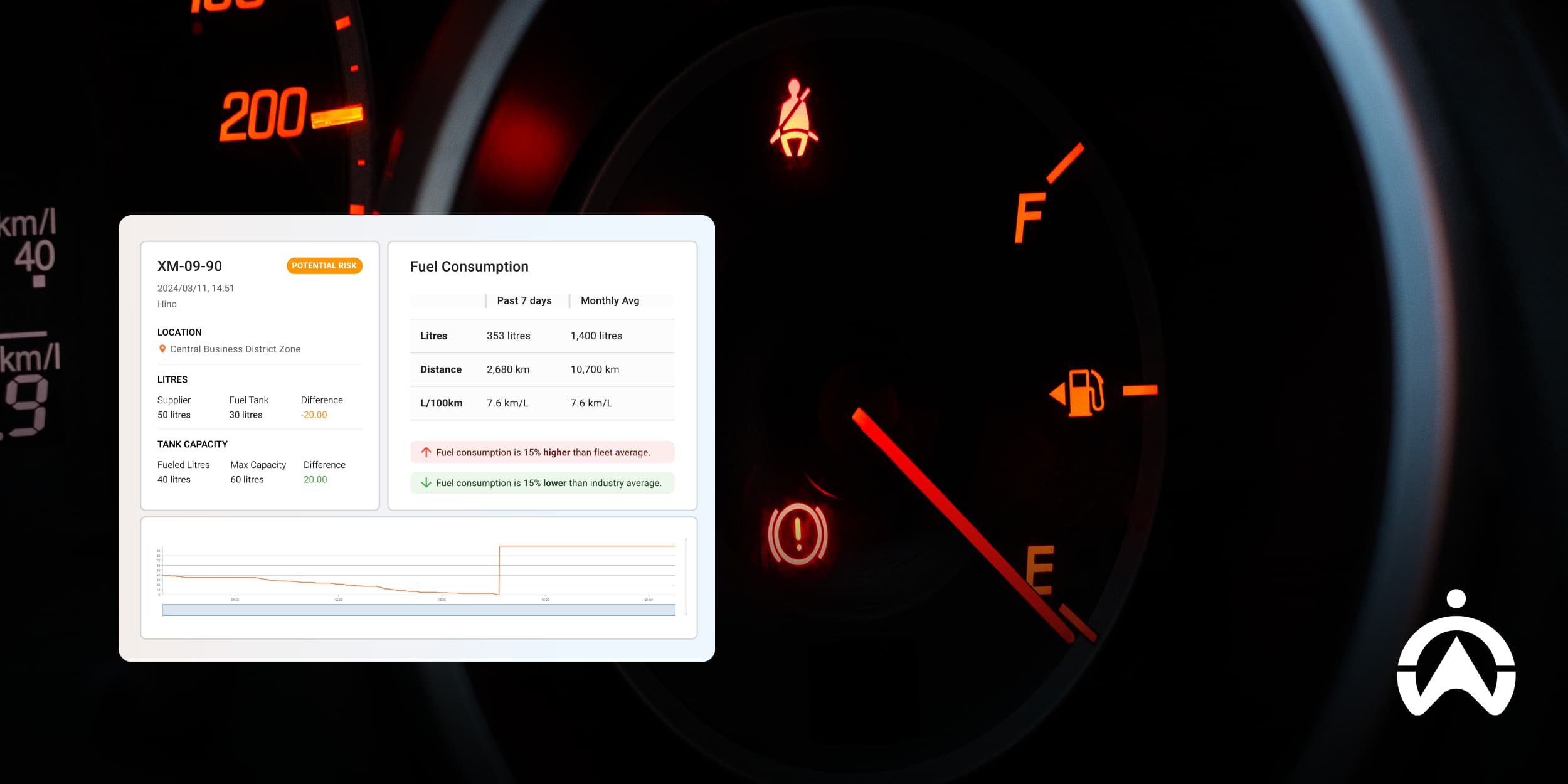
To take things a step further, we have a cost management system that we call 'MiFleet'. This tool helps you monitor and stay on top of the fleet’s running costs related to things like maintenance, accidents, toll fees, and of course fuel. When it comes to fuel monitoring, it helps you validate the accuracy of refuelling transactions. How? It focuses on key factors like the location of the fuel station, distance travelled, litres in tank, and tank capacity.
For example, if a truck with a 200-litre tank capacity currently has 100 litres and the driver goes to a fuel station and fills it up with 150 litres, it means there’s an extra 50 litres that your company paid for but which didn’t go into the tank. Where did the fuel go? Could there be a mistake on the receipt? Could this be a case of fuel fraud? Our MiFleet system flags suspicious transactions like this one, labelling it as high risk so you can investigate.
For this to work, all refuelling receipts need to be loaded onto the system. So when your drivers are at filling stations, they can log onto their Driver Apps, go to “MiFleet Live”, and load all details like fuel price, litres, and pictures. You’ll then see all summations immediately on our platform so you can spot suspicious activities as they happen.
Another way in which fuel goes ‘missing’ is through poor route planning, and to help you with this, we’ve got route optimisation software. All you need to do is enter all the destinations of your drivers onto the system, and it’ll suggest the most fuel-efficient routes. They’ll avoid things like traffic congestion and temporary road closures.
To add an extra layer of protection against fuel theft, we’ve got external cameras that you can place as close to your fuel tanks as possible; so you get footage of every refuel. For example, if you get an alert of a sudden drop in fuel levels through the sensors, you can quickly check the camera footage and see if it was siphoned. You’ll see who did it and have enough evidence to get the person arrested.
What does vehicle maintenance have to do with fuel? Well you’d be surprised by how poor vehicle upkeep can decrease your fuel economy. According to research, poor vehicle maintenance can increase fuel consumption by 10–30% compared to a well-serviced equivalent.
A good fuel management system should include vehicle-maintenance-related solutions. With Cartack, you can create reminder alerts for service dates based on thresholds like distance and hours of operation. You’ll also get predictive maintenance technology which monitors different parts of the vehicle and gives you early warnings of possible mechanical failures so you can quickly attend to them.
Through your GPS tracking devices, you also get telematics reports. These reports give you details of driving habits that increase fuel consumption, like idling for too long and speeding. You’ll see the speed at which a vehicle is moving versus the driver, the road speed limit, and finer details like revs-per-minute. The idle reports show you how long a vehicle was idling throughout the day.
Using this information, you can address your concerns with drivers and educate them on fuel-efficient driving habits.
Speaking of educating your drivers, we have a coaching platform as one of our value-added services. It helps you monitor fuel-wasting habits, giving you reports on each driver’s specific behaviour and how many repeated offences they’ve committed. From there, you’ll decide if coaching is needed.
For example, if you have a driver that’s always idling for too long, the coaching platform will pick it up and give you all the details. You’ll then organise training for this person and use our coaching platform to monitor the progress. You’ll know if the person has indeed attended the coaching sessions and see notes of what was discussed.
With our DID tags you can easily identify who’s driving which vehicle, so if there are any issues, like a high level of fuel consumption within a short distance, you’ll know who to address it with. Each driver will get a tag that’s linked to a specific vehicle, and the vehicle will only switch on once the tag is attached and present. You also have the option of using the tags to separate business and private trips so you know when a fuel card has been used for personal travel.
To ensure drivers only go where you want, you can set up geofences. A geofence is a virtual border that’s drawn on a map so you get alerts when your vehicles cross these borders. This feature serves many purposes, but for fuel, you can use it to ensure:
A furniture delivery company came to us seeking assistance. They had high mileage and often found it challenging to plan fuel-efficient routes. We offered them our route optimisation software and within just 10 days, the company saved 165 litres of fuel across four vehicles. They also managed to reduce daily truck mileage by 15% while completing the same jobs.
Instead of spending thousands on notebooks, the company now has electronic proofs of delivery, which has saved them costs, increased cash flow with faster payment turnarounds, and it has reduced the piles of paperwork.
There’s a very slight difference between a car fuel management system and a truck fuel management system. Trucks carry more fuel because they’re bigger vehicles and in most cases, they’re on the road for longer periods. A truck fuel management system would therefore need more solutions than that of a car fuel management system.
For example, you don’t necessarily need external cameras on a car to monitor fuel theft, but you’ll need them for trucks because they carry more fuel, typically have two fuel tanks each, and are therefore prone to siphoning.
In most cases, companies allow their employees to use company cars for personal trips provided it’s clearly stated. In this case, you’d need DID tags to differentiate between the two.
The best way to know what to include in your fuel management plan is by knowing your specific business needs and seeking advice from a fleet management specialist.
In the past few months, we’ve seen drastic changes in fuel prices due to geopolitical tensions. According to Stats SA, fuel prices have led to higher inflation rates, with consumer inflation rising to 4.0% in April from 3.1% in March. This is the highest inflation print since August 2024. Petrol prices were up by 15.2% and diesel by 35.4%.
As a fleet manager, you need a fuel management system now more than ever because fuel accounts for a very large portion of a fleet’s budget. Leaving it unmonitored will cost you a fortune.
Think about it this way: If you can reduce your fleet’s fuel expenses using our fuel management system, you won’t have to increase the price you charge for your services. This places you ahead of competitors, helping you retain existing clients, attract more of them, and increase your profit.
When looking for a fuel management system, there are a few things that’ll tell you if you’re getting a good deal. Knowing which questions to ask can save you from partnering up with the wrong company. For this reason we’ve compiled five simple questions that you should ask to ensure you get the best out of your investment.
Price matters in everything because it gives you an indication of the ROI you can expect. Fuel management systems consist of different solutions depending on your business needs, so prices differ for every company. Make sure you get a quote and compare prices to find a tailored solution that’s affordable to you.
But also check if it’s a reputable company because it’s of no use getting a cheaper deal with solutions that don’t work.
Fuel theft is a big concern for many fleet businesses. If the fuel management system you go for doesn’t have anti-siphoning tools like fuel level sensors, you’ll still suffer a high fuel loss that’s untraceable, defeating the whole point of getting it in the first place.
If you don’t already run a mixed fleet, you might in the near future. Times are changing, with electric vehicles slowly entering the market. A good fuel management system should handle ICE (Internal Combustion Engine), hybrid, and electric vehicles at the same time.
The reality is that achieving a 100% fuel sensor reading accuracy is unlikely because the fuel moves around in the tank while the vehicle is in motion and tanks have different shapes. But this doesn't mean a high level of accuracy isn’t achievable. It should be as close to 100% as possible.
At Cartrack, our fuel probes give 98% accuracy, making them top of the range when compared to other fuel monitoring solutions in the industry.
After making your purchase you need someone to help with training on the system and who’ll make sure everything is working well. At Cartrack, we’re with you every step of the way. We’ll make sure you have a specific person to contact for all queries so you can get the best out of our system.
If you want a trial run on how our fuel management system will work for you before you make your final decision, you can contact us today, get a quote and organise a demo. You’ll see why we’re known to be one of the best fuel management systems in South Africa.
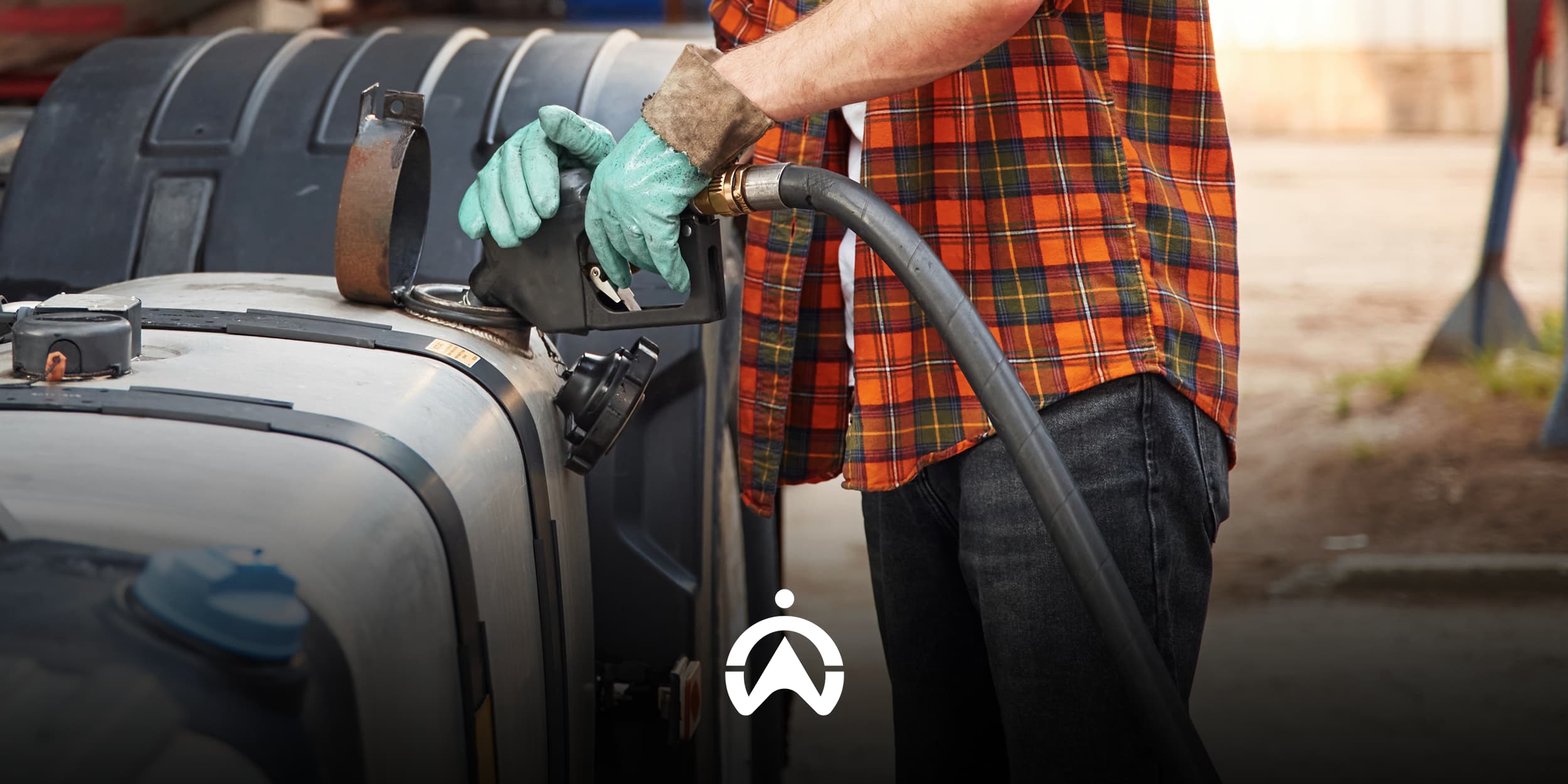
From theft detection to wasteful driving habits, our fuel management system helps you handle it all. Find out how we do it.