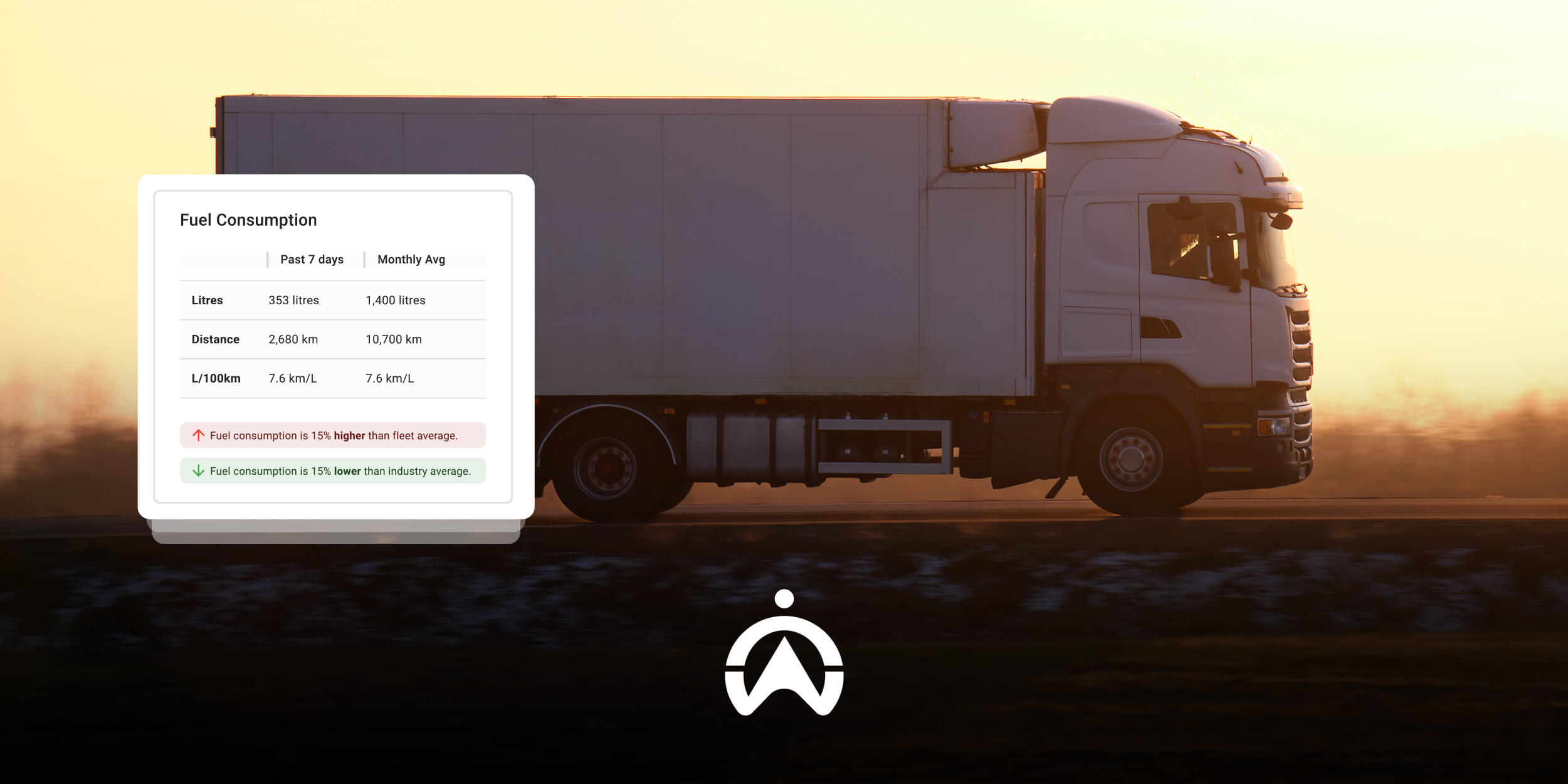
Without fuel calibration, small amounts of fuel can be lost either through theft or a hairline crack. This FAQ page is here to answer all your burning questions on fuel calibration and how it can save your operations thousands of rands of wasted fuel.
Keep reading to see all the answers!
Inaccurate fuel readings can be caused by multiple things. These include:
You can’t just do fuel calibration without installing some sort of fuel sensor and a fuel management system. This can cost you anywhere from R1500 upwards, but it will ultimately depend on what you need.
No, calibration is not a repair. It’s the process of matching the raw data with the actual volume of fuel in a tank while taking into account each tank’s unique shape and size.
Fuel calibration is important because it assists with accurate fuel measurements, improves operational efficiency & insights on engine performance, and alerts you to fuel misuse.
Yes, you can really do fuel calibration on all types of vehicles in your fleet. This includes passenger cars, trucks, and even construction equipment and generators. As long as there’s a tank with fuel, you can do fuel calibration.
Cartrack’s fuel management software and hardware solutions include fuel calibration so that we can provide you with accurate monitoring and reporting.
Fuel calibration is incredibly accurate because it works with a sensor that fits your tank perfectly. Fuel level sensors are calibrated to calculate each drop of fuel at each level of your tank.
No, engine calibration isn’t the same as fuel calibration. Engine calibration involves the mapping of the entire Engine Control Module (ECM), making sure the engine is operating at its best. Fuel calibration is only focused on the fuel system, making sure you have accurate fuel readings.
To have full control of fuel management in your fleet, you need to use/have:
Yes, fuel calibration can help stop fuel theft because it alerts you instantly to any sudden and unexpected drops in fuel.
Definitely! Fuel calibration helps you save on fuel costs because you’ll have insights to know if your engine is operating effectively or if anyone is stealing fuel. Ultimately saving you on fuel costs.
A fuel monitoring sensor is a device that’s installed either into or onto your fuel tank that accurately monitors fuel levels and tracks vehicle consumption, all in real time.