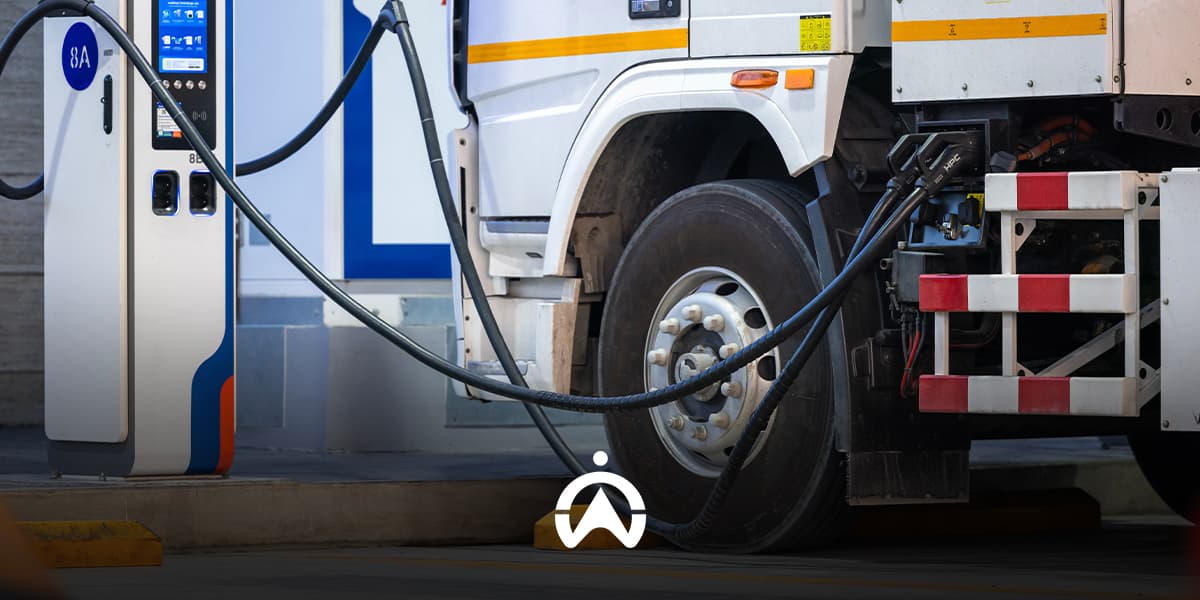
Charging an Electric Vehicle in SA—Get All the Answers
Charging an electric vehicle in SA is getting much easier thanks to the growing number of infrastructure networks, as well as access to apps that help you locate charging stations nationally. The EV segment is growing steadily, and South African motorists are keen to embrace the future and leave fuel behind.
The latest Naamsa business review reveals that electric and hybrid model sales in South Africa have soared past 16,700 units in the last reporting year, which is a record for the local market. Want to know more about EVs and infrastructure? Get all your quick answers right here!
1. How much electricity does a 100km electric car use?
Based on the make & model of the electric car, your own driving patterns & behaviours, and the conditions you’re in while on the roads, a 100km electric car uses anywhere between 13 kWh and 20 kWh of electricity.
2. How long do EV batteries last?
EV batteries last about 10 years on average, but they can reach up to 20 years. This depends on how often you service your vehicle, your vehicle's charging patterns, and degradation contributors (like extreme temperatures or rough terrain).
3. How many hours does it take to fully charge an electric car?
We have predictive maintenance, so you’re notified about due servicing before breakdowns happen. We also have driver-behaviour monitoring, so you can keep an eye on battery-draining driving habits by your staff.
7. How much will I save on fuel with an electric car?
According to research, you’ll save up to 50% more on fuel with an electric car compared to a petrol car. The exact percentage obviously depends on certain factors, like home vs public charging and energy sources (like solar power vs electricity).
8. What is the total cost of ownership for electric cars?
The advantages can’t be ignored; total running costs are far cheaper, maintenance costs are lower, acceleration is quieter, and they’re kinder to the environment. On the other hand, insurance is higher, charging infrastructure isn’t widely available, and battery replacement can be very costly.
10. Can I charge my car or vehicle for free anywhere?
Yes, you can charge your car for free, although this isn’t available ‘anywhere’. Most of the free charging stations are located at many car dealerships, some shopping malls/centres and petrol stations, a few airports, and even the occasional hotel and hospital.
11. Is it cheaper to charge at home vs a charging station?
Yes, it’s cheaper to charge at home vs at a charging station. Public charging stations are usually accounting for the infrastructure, electricity (which is marked up slightly), speed, and the convenience — they need to profit from this service. When you charge at home, there are no price variations or markups, and you can charge for as long as you’d like.
12. Should you still track an EV vehicle? Can it still be stolen?
Yes; despite the fact that they’re typically harder to steal due to their advanced safety features, you should track an EV because it still can be stolen. Proper tracking and additional protection features, as offered by Cartrack, can:
Combat signal jamming & relay attacks
Provide fast vehicle recovery services
Give you peace of mind in moments where tampering and unauthorised movements occur