Fuel calibration is the process of matching the raw data with the actual volume of fuel in a tank while considering each tank’s unique shape and size. You can upgrade your current fuel monitoring systems or sensors on all types of vehicles, and this way fuel levels can be accurately monitored and inefficiencies identified.
According to a report from ENACT, the global illicit trade in fuel, such as theft, adulteration and fraud, amounts to an estimated US$133 billion a year! That’s a massive amount, and it proves why getting fuel calibration on all your vehicles, no matter what type of fleet you have, is incredibly important.
This blog breaks down exactly what fuel calibration is and how it helps you monitor fuel in all types of vehicles. So keep scrolling to see how you can keep your fleets on the road and your profits in your pocket.
Fuel calibration is the process of training a fleet management platform on exactly how many litres of fuel are in a tank at every single level. Even though you have a fuel gauge, they aren’t 100% accurate for fleets. This is because fuel tanks aren’t just one size or shape and are often mounted at an angle.
Seeing as most tanks aren’t a simple perfect shape, some have curves and bumps, and some are shaped strangely to fit onto the vehicle’s chassis, the amount of fuel you think you have is inaccurate. For example, 1 centimetre at the bottom of a tank can equate to 4 litres of fuel, whereas 1 centimetre at the top of the tank represents 9 litres.
Fuel calibration fixes this problem for fleet managers. To successfully calibrate your fuel tank, it can be done in one of two ways.
After either of these methods, the data is used to create a mapping or table so that the system will now know if the fuel level is at 12.5 cm or 15% on the sensor; it’ll mean you have 105 litres of fuel in your tank.
This is important because it provides fleet managers with accuracy. As we’ve previously stated, the regular fuel gauges in your vehicle are just estimates. When you calibrate your fuel, your accuracy levels shoot up to about 99%, so you’ll have accurate metrics on every drop of fuel.

It doesn’t matter if you have a delivery bike, a bakkie for customer visits, a long-haul truck or an excavator at your construction site; if it has a fuel tank, you can make use of fuel calibration. Having fuel sensors and calibrating your fuel tanks are vital for fleets of all types to be successful and efficient.
You should monitor your fuel, especially as a fleet manager/owner, because fuel is one of the highest operating costs your fleet faces. When you accurately monitor your fuel, you’ll be able to spot and stop fuel wastage the moment it happens and not after you’ve lost thousands of rands.
By getting all your fleet fuel calibrated, you’ll do the following things for your operations:
The major contributors to wasted fuel are driver behaviour, excessive idling, poor route planning, fuel theft and a lack of vehicle maintenance. As a fleet manager, if you don’t monitor these things, your fleet’s fuel consumption and your operating costs shoot through the roof.
When your drivers are leaving your vehicles’ engines running when they’re parked or in standstill traffic, they’re burning fuel and are guilty of excessive idling. Did you know that an idling car uses between 0.76 to 2.65 litres of fuel an hour?
The way your drivers handle your vehicles on the road is also a major contributor to fuel wastage. Driver behaviour factors that all contribute to more fuel being used are:
When your fleet's routes aren’t optimised, your vehicles are burning through fuel unnecessarily. By not optimising the routes your drivers take, they’re more likely to sit in traffic, take the longest route, and make multiple trips to the same location, not only wasting fuel but also shortening the lifespan of your fleet.
A major cause of wasted fuel is fuel theft. Because you're not behind the wheel of each of your vehicles, it’s difficult to know when fuel has been stolen. Be aware of these things as they could indicate fuel theft:
If you’re not actively keeping your fleet maintained, they’re using way more fuel than they need. Think about it:
By installing fuel sensors and calibrating your fuel tanks, you can save fuel by spotting any abnormalities instantly. Fuel calibration ensures that fuel levels and measurements are incredibly accurate so that you’re able to spot theft, leaks, and waste instantly. Proper calibration allows you to manage fuel usage more accurately than any other method.
A calibrated fuel system prevents fuel theft by giving fleet managers accurate fuel usage data. Without calibrating your fuel tank, small amounts of fuel could be continuously syphoned, and you’d never know. Fuel is already a major expense for fleets, so make sure you know where each drop is being used!
Here are the most common ways fuel is stolen from fleets:

Your vehicle already comes with CAN bus; it’s basically the nervous system of your vehicle. However, fuel-level sensors and probes are fuel-level monitoring tools that give you an accurate reading on how much fuel is in your tank at all times.
When you add fuel calibration to the mix, you’ll have the data to know where every drop in your tank is, and you’ll know when a few drops go missing.
Here’s a table so you can easily compare CAN bus vs. Dedicated Fuel Level Sensors (FLS):
The major benefits of fuel calibration include accurate fuel readings, prevention of fuel misuse and theft, reduction in operational costs and improved maintenance for your fleet. For fleets who want to save money on fuel and prevent the misuse of fuel, installing and calibrating fuel probes is a must.
Cartrack provides fleets with advanced and comprehensive fuel management tools. From our various fuel sensors to MiFleet, you’ll have a complete view of how your fuel in your fleet is being used so you’ll be able to make data-driven decisions to improve how your fleet moves.
When it comes to monitoring your fuel with fuel calibration, we have three types of sensors you can choose from. Let's break them down for you.
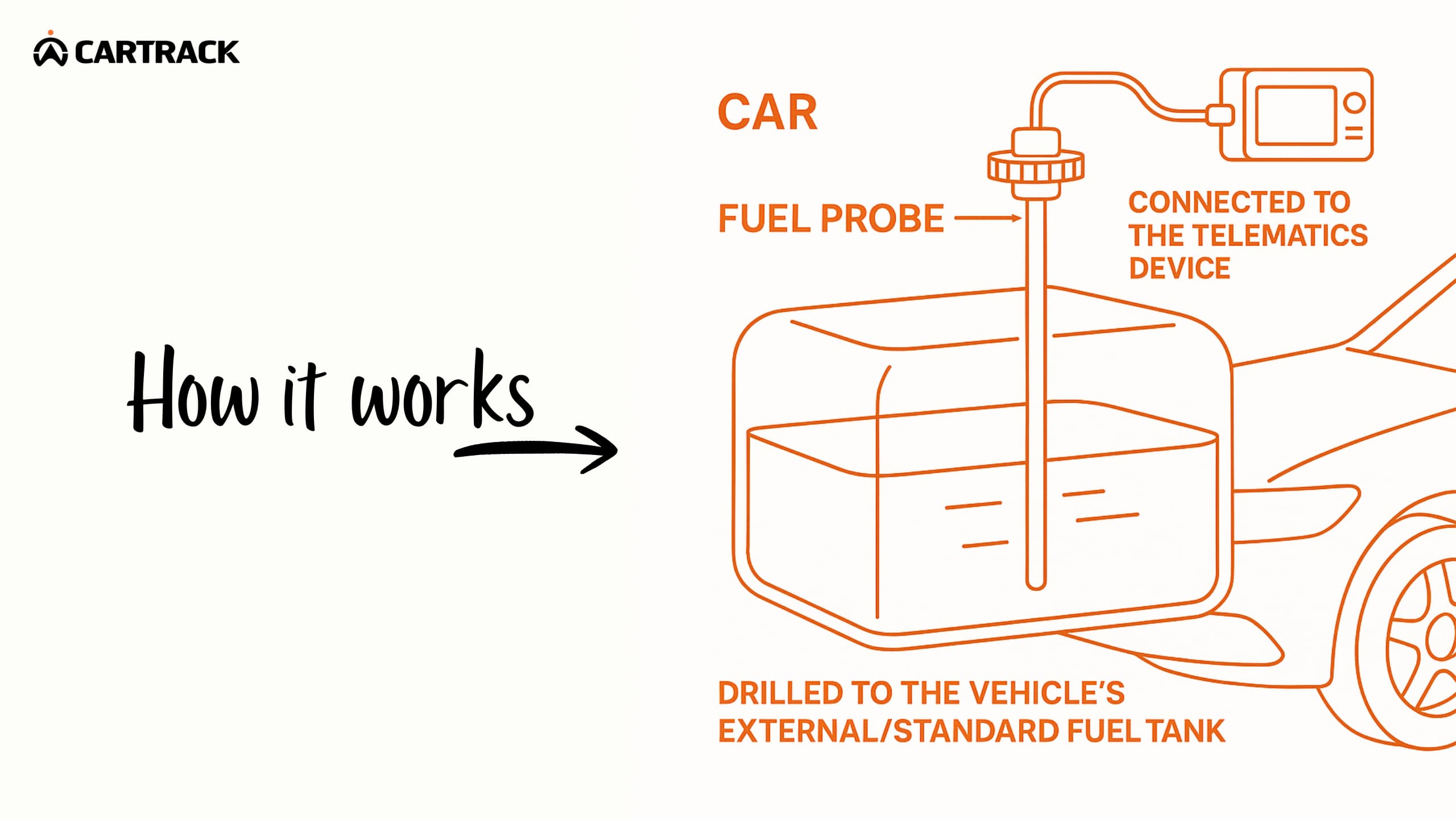
This is a specialised sensor that needs to be drilled into your vehicle’s external/standard fuel tank. The Fuel Probe sits inside the tank to constantly check fuel levels. The probe is connected to a Cartrack telematics device which sends the data it captures to your fleet platform.
It’s our most accurate device for fuel monitoring (98% accuracy), but it’s important to note that this device can void your vehicle’s warranty, as it has to be drilled into the fuel tank.
Why you should choose the Fuel Probe:
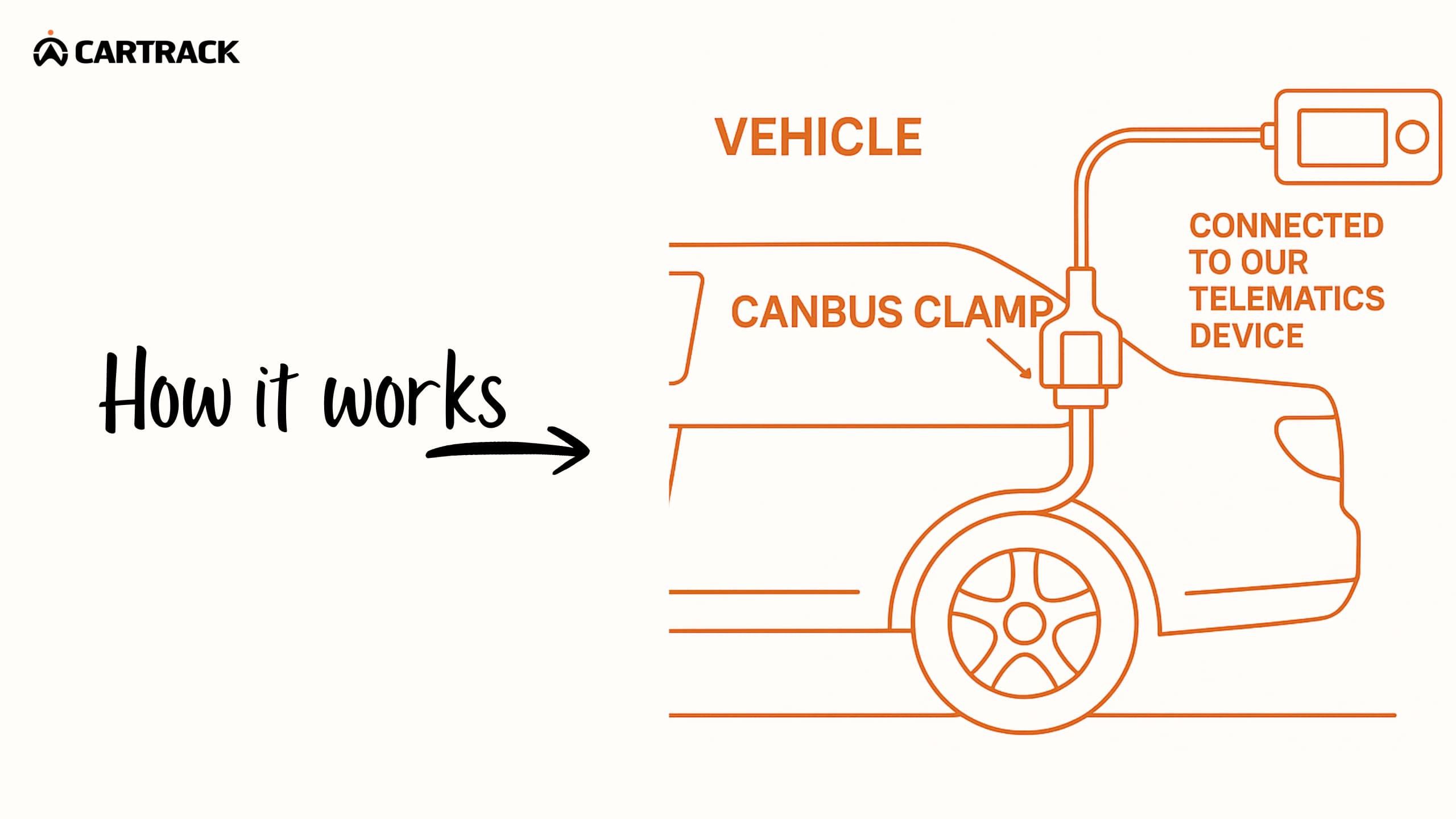
We’ve designed and created a special clamp that reads the fuel data directly from the vehicle’s CAN bus wire. The clamp is connected to our telematics device, and that data is then sent to your fleet pages.
This clamp is quite accurate (90% accuracy), but it’s important to note that your vehicle must have CAN bus tech already for this to work. CAN bus also gives you real-time vehicle data and accurate dashboard data.
Why you should choose the CAN bus clamp:
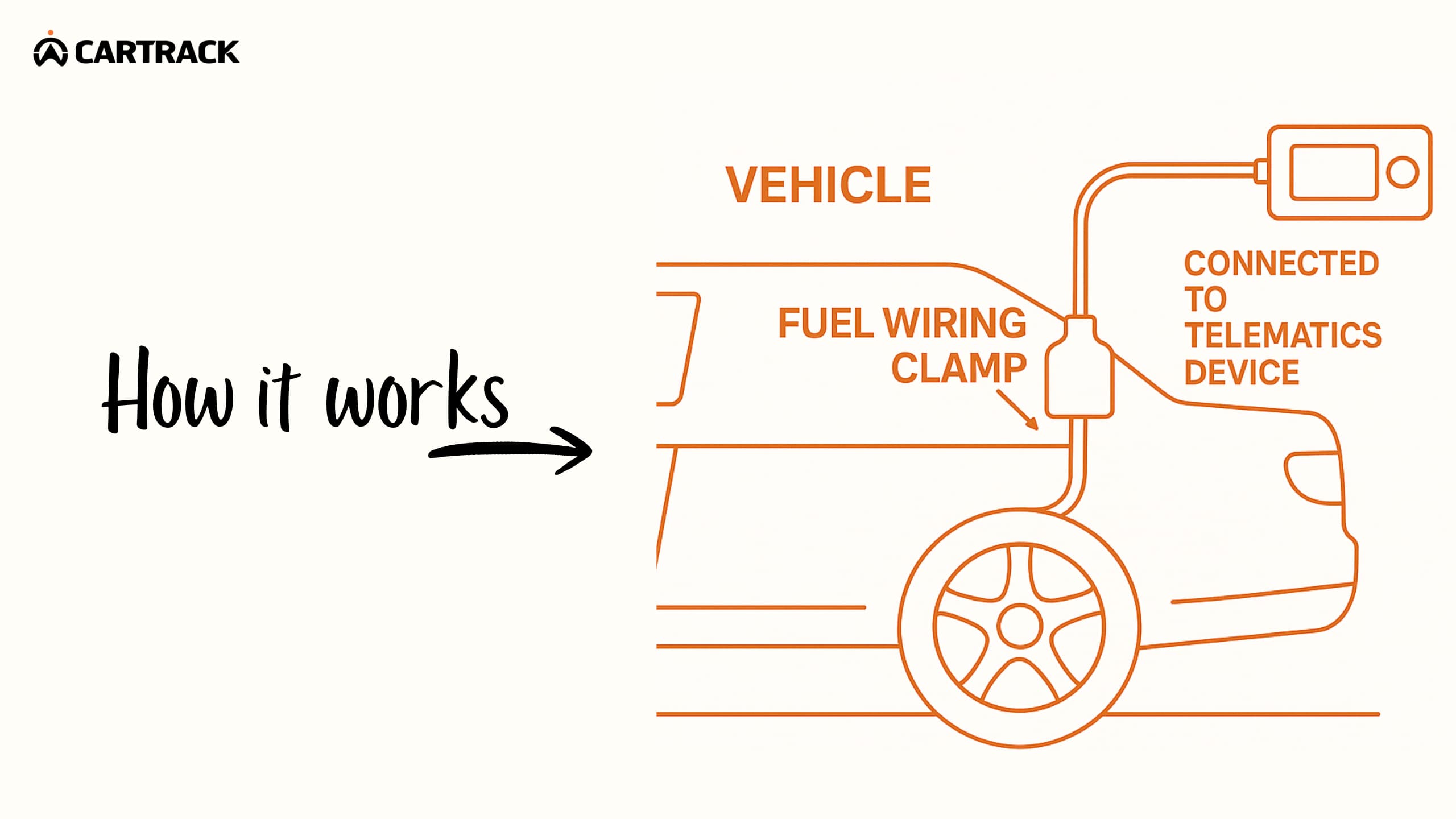
This is a cable that’s clamped to the vehicle's fuel wiring. A voltage is sent through this cable, and information is recorded through the telematics device. The data is sent to the fleet platform.
The Fuel Analog sensor is accurate (80% accuracy); however, if the fuel pump stops working, the information you get will be inaccurate.
Why you should choose the Fuel Analog sensor:
If you want to keep an eye on every drop of fuel in your fleet, contact us today to get more miles for your money!
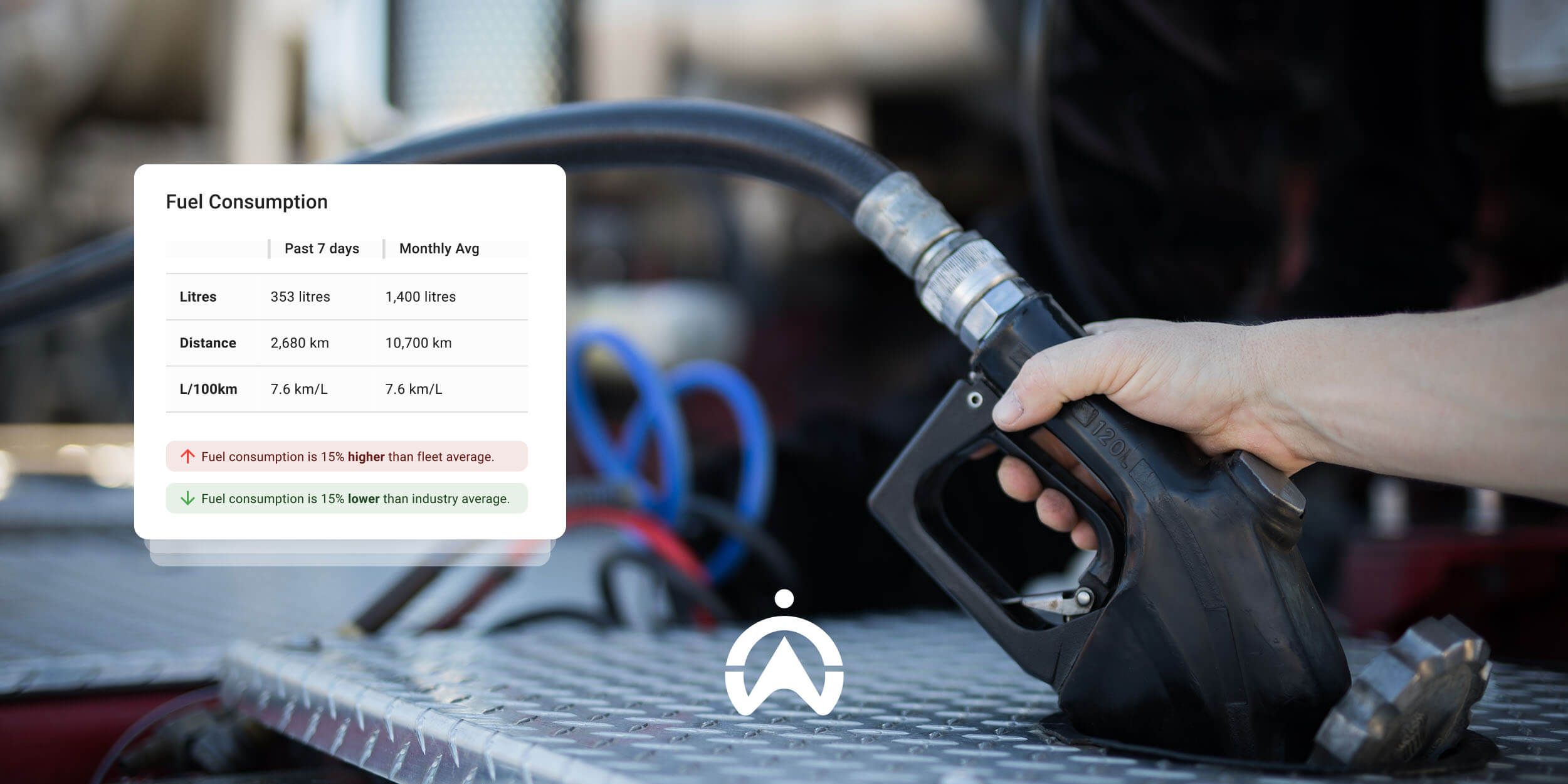
Stop fuel theft with precision calibration. Learn how matching sensors to your tank's unique shape gives you accuracy, cuts costs, and boosts fleet efficiency.