For many it’s unthinkable to drive a car without having insurance—and we’d agree with that. But the majority of South Africans still neglect to fit a GPS tracker to their vehicles despite the country’s shocking crime stats on vehicle theft. And Cartrack makes a good case that tracking your vehicle is way more important to your safety than having insurance.
Insurance protects your finances.
Tracking protects YOU and YOUR FAMILY!
In more ways than one, a GPS tracking device can be a lifeline. Your real-time location is more than just knowing where you are, it’s often a means of urgent help when you need it most. Today we’re ditching the tired old sales pitch of “protect your car” and showing you how GPS works to enhance your safety on the road.
Besides tracking your vehicle and helping us to recover it if it gets stolen, GPS tracking has evolved to having numerous other purposes. Cartrack uses this technology to respond during a road emergency or breakdown, and we even have an alert system that tells you when your car is moving without your permission.
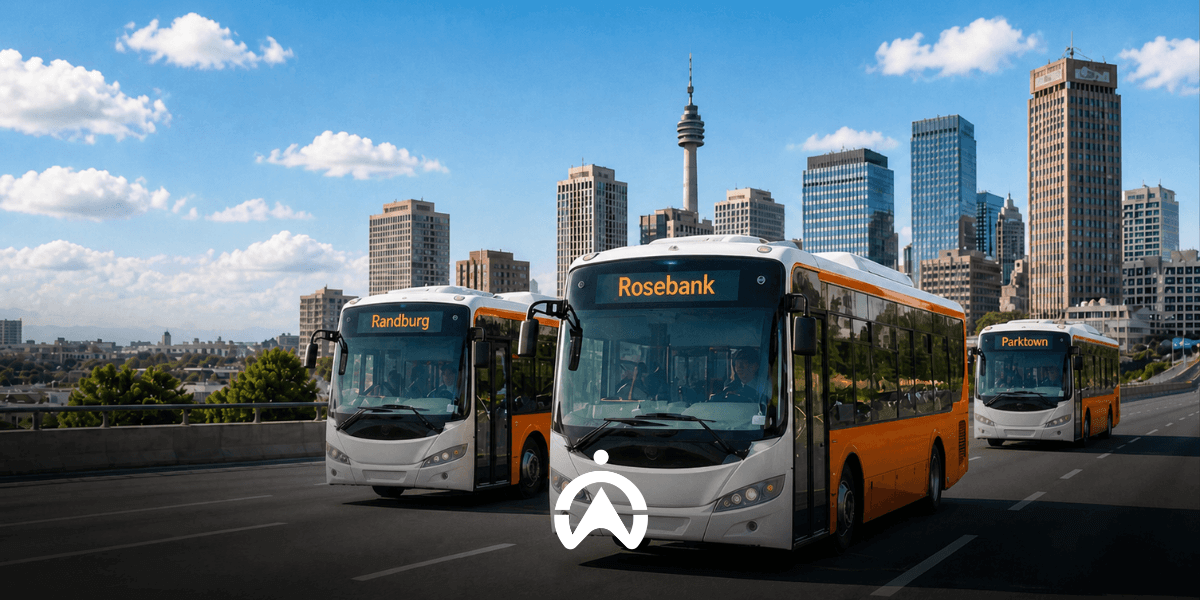
But where GPS technology really shines is in the boosting of fleet efficiency. Here are ways we use our GPS vehicle tracking system to enhance the real-world challenges of small, medium and large businesses that rely on road transport.
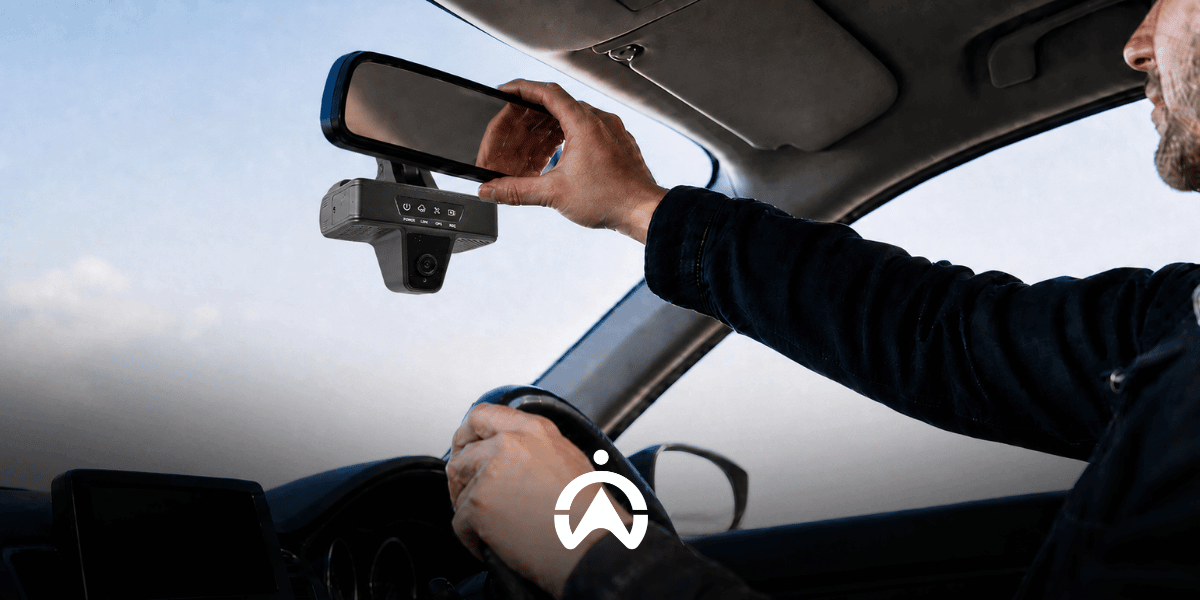
Combining dashcam technology with a GPS tracking system, Cartrack provides context for driver behaviour that helps fleet managers train their staff appropriately. It also increases driver accountability across a fleet and helps managers keep their drivers safe when they’re out on the road.
A GPS tracker can also be combined with vehicle diagnostic sensors connected to a vehicle’s CAN bus system. Together with mileage records and vehicle health data, fleets can determine when a track or car needs a service and even predict its general longevity.
GPS technology is also integral to the monitoring of fuel use in fleets. It compares location and travel data with fuel consumption and fuel purchase receipts. Fleet managers can curb fuel syphoning, detect fraud, and minimise waste thanks to GPS tracking and its adjoining tech.
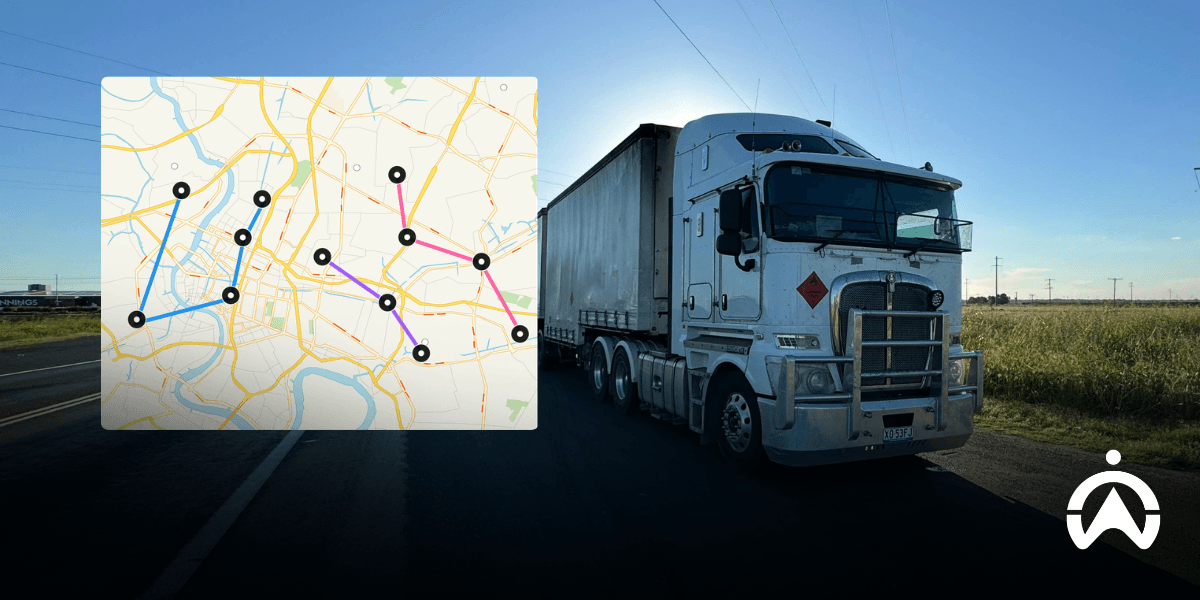
Fleets save a lot of money when their vehicles reach destinations quicker. Not only do they serve more customers, but they use less fuel while doing so. They also prolong the life of their vehicles by avoiding bad or dangerous roads because the most efficient route is always calculated based on what’s happening in real time.
A Global Positioning System (GPS) uses multiple dedicated satellites to pinpoint your exact location by communicating a signal between those satellites and your tracking device receiver. We’re all familiar with this technology when we use Google Maps or other navigation systems like Waze, making it clear that receivers are present in our Smartphones too.
Satellite tracking works with a combination of orbiting satellites in space, the receivers that communicate with them, and the software that translates location & time data. It’s the software itself that not only displays the pinpointed locations in real time, but also calculates efficient routes from one point to another.
It’s helpful to understand the difference between passive and active GPS tracking. Passive tracking is recording and storing of coordinates and the times they were pinpointed. Active tracking is a recurring signal transmission that constantly updates your location in real time, and calculates necessary suggestions to help you navigate or locate your vehicle.
When we look at GPS accuracy, we can think of it in terms of radius and margin of error. Radius is anywhere between 1.5 meters, while the margin of error can be around 3 to 5 meters. This gives us a solid idea of where the receiver is, how fast it’s moving, when it takes a turn, or when it comes to a halt.
This margin of error is dependent on numerous variables like the technology itself and whether the signal is clear. If you’re in a tunnel, the signal might get blocked from the receiver’s side. In the same way, heavy cloud cover can block the signal too.
Since GPS tracking often relies on cellphone towers to transmit locational data, some areas might not give off a strong enough signal. Tracking companies like Cartrack counteract this problem by using backup tracking devices that DON’T rely on cellphone towers, but independent radio frequencies instead.
This all sounds super technical, but at Cartrack we’ve used software to simplify it as much as possible. As a motorist, you can manage your own location info through an app on your phone. The Cartrack app shows you a precise reflection of where your vehicle is and how to get to your desired destination as quickly (and as safely) as possible.
There’s no denying that getting onto the road is risky. Not only are you at risk of having an accident, but theft & hijacking still run rampant. And yes, car thieves and syndicates are getting smarter. What many don’t realise is that there’s a silent war happening between car thieves and vehicle security companies like Cartrack.
Here’s a small sample of how that war is going.
In April of 2026, Cartrack was instrumental in:
According to Safe Suburb, 2026 showed a slight drop in car theft. Could it be that technology is slowly winning the war against road crime in South Africa?
But compared to most countries around the world, SAPS’s crime stats still report over 80 cars being stolen per day in South Africa. That’s more than one car being stolen every 18 minutes!
In addition to this scary statistic, between 50 and 60 hijackings take place as well, where the vehicle is forcibly stolen using a firearm! This is where the real danger comes in for you and your family.
For fleets, hijackings are a constant worry too—not only from a financial perspective, but in terms of the safety of their drivers.
CONCLUSION: Hijacking remains one of the biggest threats to SA motorists and their passengers.
Cartrack is focused on getting your car back, but we’re more concerned with YOUR safety as the driver—and that of your passengers. That’s why we’ve evolved our GPS tracking solutions into further safety measures.
CONCLUSION: As you can see, a GPS tracking device is more than just a way to pinpoint where you are. It can be used for all kinds of driver safeguards that protect you and your family or passengers.
Even insurance companies recognise the value of GPS tracking technology. Having one on your car or bakkie lets brokers know that you take vehicle safety seriously, which ultimately affects your risk profile.
CONCLUSION: Insurance companies take risk seriously, and so should you. In a country where tracking devices deter thieves and hijackers, would you want to do all you can to keep your family safe?
As we said, the battle between criminals and car security providers rages on. Car thieves and syndicates are well aware that GPS trackers exist, and they continuously find ways to thwart our efforts to protect you and your vehicle.
Here’s how they do it.
Many professional car thieves look for the tracking device after stealing your vehicle. Once they find it, they use tools to force-remove it, or they damage it so that it no longer transmits. This is why they often work in pairs. One thief drives while the other one attempts to remove the device.
Cartrack counters this by hiding the GPS tracking device somewhere that’s hard to locate. We also design the device to be tamper proof so that it’s harder to remove or damage. In many cases Cartrack will also add a backup tracking device that’s smaller and even easier to hide, keeping your vehicle visible at all times.
Car criminals use illegal jammers to scramble the signal of GPS trackers while they’re getting away with your vehicle. This makes it impossible for recovery teams to know where the vehicle is headed in real time.
Cartrack counters this by offering you a second tracking device that uses our own radio frequency signals to transmit. These signal transmissions can’t be scrambled by jammers because they don’t use GPS at all.
Knowing why thieves steal your car is vital to understanding their intentions. Most of the time they simply want to strip it for parts. This takes less time than most realise! Recovery must be quick or you might get your car back without the engine, wheels or transmission. This is why syndicates will aim to cross your vehicle into another country where they can strip it without helicopters and police on their tail.
Cartrack counters this by working closely with border control and cross-border authorities. We won’t stop pursuing your vehicle just because it’s out of the country!
Cartrack is always striving to stay ahead of car criminal strategies. Having a tracking device fitted to your vehicle today helps us combat car theft attempts in SA.
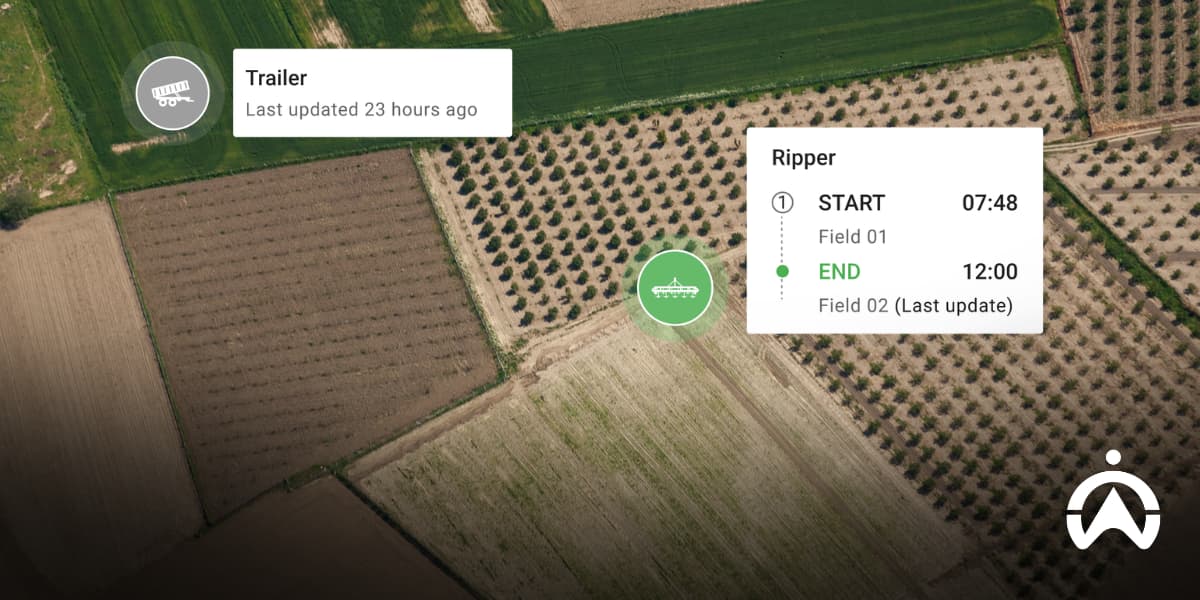
What is a GPS tracker good for if it’s only limited to cars, bakkies and trucks? Fortunately, at Cartrack they’re also used for other valuable assets owned & managed by essential services and businesses.
This type of tracking has gone beyond just location data. GPS tracking technology also helps businesses manage their assets in terms of utilisation efficiency, longevity predictions, sharing, and more.
Construction teams and essential services use generators to keep their operations going. Thousands of businesses use forklifts to move stock and organise their warehouses. Builders use cranes, tractors and high-powered drills to move heavy objects or break up ground.
These are just a few of the many examples of powered assets that can be fitted with tracking devices for visibility and theft protection. While some might benefit from having GPS trackers fitted, others will be better suited to the Cartrack Tag RF tracking device.
GPS tracking technology is seldom used to keep tabs on non-powered assets like bins, mobile toilets or trailers. Cartrack uses the Cartrack Tag to track these items, giving managers insights into location, usage, condition, and distribution.
GPS tracking solutions have become a base technology for all kinds of other road security services. The future holds many more vehicle safety benefits that will likely rely on GPS tracking to function.
For now, it should be seen as an essential component to every vehicle. If you don’t have a GPS tracker fitted to your vehicle yet, give Cartrack a call and get a quote on a comprehensive tracking & recovery solution.
Do all you can to keep your car, your family and yourself safe on the roads of SA.
Learn how GPS trackers are becoming essential components in vehicles to prevent car theft and help companies manage their logistics.