Oops! Something went wrong while submitting the form.
Don’t let vehicle upkeep eat away at your personal or business budget. Read on to get all the tips and tricks on bringing down vehicle maintenance costs and see what Cartrack can do to help you achieve that.
The secret to reducing vehicle maintenance costs? Simple! Adopt a preemptive approach to vehicle upkeep!
Yes, it’s that simple.
When you’re unintentional about maintenance and only responsive to damage as it happens, you’re likely to find yourself with a seriously wrecked vehicle and a pile of bills. The key is to not let your vehicle get to this point, but to thoughtfully plan ahead!
Key Takeaways:
Switching from reactive repairs to planned maintenance cuts costs and stops unexpected breakdowns
Factory schedules are a good starting point, but the best routines match how vehicles are actually driven
Safe driving saves money instantly by reducing vehicle wear and high fuel use
Telematics software uses live data to automate scheduling, replacing manual tracking with predictive maintenance
What are the best ways to cut down on vehicle maintenance?
BIG SAVING STRATEGY:
The U.S. Department of Energy carried out an energy cost breakdown that tells us that being deliberate, organised, and proactively vigilant about maintenance instantly brings down servicing costs anywhere between 12% and 18%. So not only are you saving big bucks, but you’re also addressing the smaller issues before they quickly become massive mechanical failures that could lead to serious breakdowns.
The best ways to cut down on vehicle maintenance include scheduling regular vehicle servicing, practising responsible driving habits, conducting daily-to-frequent vehicle inspections, and controlling vehicle utilisation. The odds are, you’re already concerned about other variable expenses like fuel; the last thing you need to worry about is maintenance, especially when there are easy ways to get it under control.
Check out these 10 tips, curated for both personal and fleet maintenance management:
🚙 Top 5 ways to reduce your personal vehicle maintenance costs
These are the top 5 ways to reduce your personal vehicle maintenance costs:
Follow the manufacturer's guidelines This is a given. Most manufacturers might suggest you service your car every 12 months, but realistically, how often you service your car is directly linked to your car’s make and model, its current service history, and how you drive it.
You can also schedule additional services if you need to, especially if you regularly travel long distances or are caught up in stop-and-start city traffic, which adds more wear to your car.
Invest in an insurance policy and an extended warranty for your car The right insurance policy for your car adds an additional layer of asset and financial protection. With insurance, there’s a good chance you’ll pay much less for repairs if you’re involved in an incident.
A standard or extended warranty could also save you here. It helps you avoid price spikes in car parts, covers breakdowns & component failures, and protects you against excessive repair bills.
Drive responsibly When you drive recklessly you’re putting a lot more pressure on the car (and its parts) than is necessary. You’re burning more fuel (which drives up your own petrol costs) when you overrev and cut corners fast. This contributes to major wear & tear.
Check and change oil and air filters Filters require regular checks and changes. These filters regularly accumulate all kinds of sludge, dust, and debris; and that build-up could damage internal car parts.
Change your oil filters as often as your manufacturer’s handbook suggests. If you leave your oil filters filthy for too long, gunk and dirt build up. That could damage your vehicle or even cause it to break down. At the same time, look into changing your air filters with every yearly service to avoid expensive engine part replacements or damage.
Care for your car’s exterior Most people forget that maintenance extends to their car’s exterior. Wash your car often (but not so often that it dulls the car’s natural shine), and take it to a valet centre now and then for premium treatments.
A car that’s well-cared-for is one that doesn’t need expensive paint jobs.
🚛 Top 5 ways to reduce your fleet vehicle maintenance costs
These are the top 5 ways to reduce your fleet vehicle maintenance costs:
Invest in a fleet management platform This is the most important tip of them all. A fleet management platformcentralises all your fleet data, giving you complete control and insight into vehicle performance and helping you keep track of maintenance requirements.
It can help you monitor and manage operating costs, automate maintenance reminders, and predict when certain parts might fail.
Train your drivers to practise safe on-road habits Aggressive and unsafe driving habits contribute to vehicle degradation. But when you train your drivers on the importance of responsible driving and coach them when they reoffend, their safer driving helps to reduce the level of strain on your fleet vehicles.
This extends the life of the vehicle parts, and ultimately, the vehicle itself, helping you significantly save on maintenance.
Conduct daily inspections This is a quick and easy way to assess the state of a fleet vehicle before it goes out for the day and once it returns. Daily inspections help you spot any small potential problems that might otherwise have been missed, while also ensuring you’re meeting compliance and safety standards.
This helps you avoid costly repairs down the line, as well as fines.
Prioritise preventative maintenance Yes, this point is closely linked to investing in a fleet management platform, but it’s more about taking scheduled maintenance a step further than anything. It’s all about focusing on the small issues before they escalate.
When you swap out damaged parts before they give out and service fleet vehicles on time, you’ll cut repair costs and improve the lifespan your fleet.
Manage vehicle utilisation Use every fleet vehicle as evenly as possible. When you make the most of every vehicle, the chances of high maintenance costs that come from overuse are low.
Can Cartrack help you keep vehicle maintenance costs down?
Yes, Cartrack can help you keep vehicle maintenance costs down. We offer exciting features and digital tools to keep your fleet healthy and thriving, all while keeping maintenance spend low. Whether it’s predictive maintenance and scheduling or driver behaviour monitoring, we’ve got you covered.
Take a look at this checklist:
🗃️ Consolidated records: You can keep all your maintenance documents in one online place. As fleet manager, you can give your team and mechanics the quick access they might need to these documents, especially when a review is necessary.
📃 Digital forms: Nothing’s more important than ensuring your daily fleet inspections are carried out successfully, and you can do just that with our paperless inspection solution. Create electronic inspection forms via our platform for quick access and feedback.
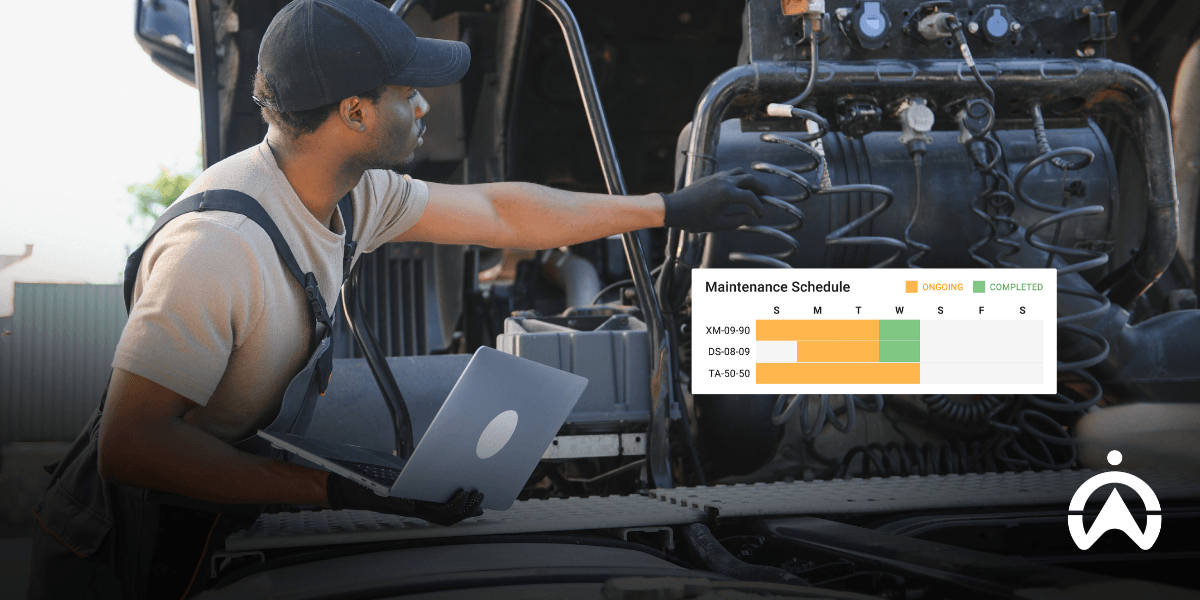
⏳ Service scheduling: We know you can’t afford to have your business come to a halt, and that’s why we allow you to automate your maintenance scheduling. Does your fleet vehicle’s manufacturer have suggested timelines for servicing? Perfect; you can share that info via our platform so you never miss a service date!
👷 Driver monitoring & grading: The levels of wear & tear are a reflection of how your drivers behave on the roads. The same applies to your personal driving. You can gain access to detailed trip histories and reports on driving behaviours. For your business, you can invest in our driver scorecards for recordkeeping and incentives.
Final takeaway: The road to savvy savings
We’re finally seeing the bigger picture and understanding just how important regular maintenance is. But the real secret is a proactive maintenance approach; THAT’S how you stay 3 steps ahead, always. From your personal car to your fleet vehicle, keeping it in tip-top shape means maximising safety, productivity and value.
Frequently asked questions about reducing vehicle maintenance costs
Is 300 000 km too much for a car?
Though considered high mileage, 300 000 kms isn’t necessarily too much for a car. A car’s lifespan is based on its service and driver history; for example, stop-and-go driving puts more pressure on vital car parts than long-distance driving. This mileage should still be doable, but you might experience some issues if it hasn’t been regularly serviced in its lifetime.
What’s a car’s silent killer?
A car’s silent killer is a lack of maintenance! Letting the small problems grow into bigger ones is a sure way to get your car to break down, especially because those problems aren’t always obvious. Don’t ignore warning signs & lights, regularly service your car, and make sure the parts you buy are approved & legitimate.