Extreme weather conditions are something many fleet managers overlook. South Africa is said to have some of the best weather in the world, but every once in a while it gets a bit too harsh. As a fleet manager, you must have measures in place to protect your vehicles and drivers when this happens.
In January 2026, the South African government declared a national state of disaster in response to the severe flooding that happened in Limpopo and Mpumalanga, where 3,911 houses and 19,555 people were affected. Some of the incidents involved vehicles getting washed away and drivers going missing.
In this article, we’ll share tips on how to minimise the risks associated with stormy weather. We also discuss the crucial role fleet tracking software plays in assisting you and your drivers when there are emergencies.
As with any other matter relating to fleet management, you have to be proactive. You can’t stop bad weather from happening, but things like keeping up with news updates, getting GPS tracking software, and warning your drivers to pull over can help reduce the risks.
Here are some of the steps you can take to protect your fleet:
Always check weekly and daily weather conditions so you’re never surprised. The South African Weather Service (SAWS) always issues early warnings of any upcoming severe weather conditions. To ensure that you’re always in the loop, either watch the news regularly, listen to the radio, or set up cell phone notifications.
Get physical items that can protect your vehicles, like hail shelters and hail nets. Do your research to see which ones work best for your parking areas, the type of vehicles you have, and your budget.
Get GPS tracking devices for each of your vehicles so you can always see the live locations. You’ll know which ones are on the road or in open parking when a warning comes in. This way, you can alert the drivers to move the parked vehicles to a safer, covered space. You can also reschedule some of the trips that were meant to happen that day, or instruct drivers who are already on the road to drive to the nearest safe area before the hail starts.
With GPS tracking software, you also have the option of creating geofences. These are virtual parameters that you can create around a specific geographic structure. Using this technology, you can mark covered depots and bays and flag vehicles outside them so you know which ones are exposed.
Your natural instinct would of course be to warn drivers as soon as you get a weather update. But when some of them are already en route, they might not receive your message on time because they can’t be on their cellphones while driving. For this reason, you need a two-way in-cabin calling system that allows you to speak to drivers immediately.
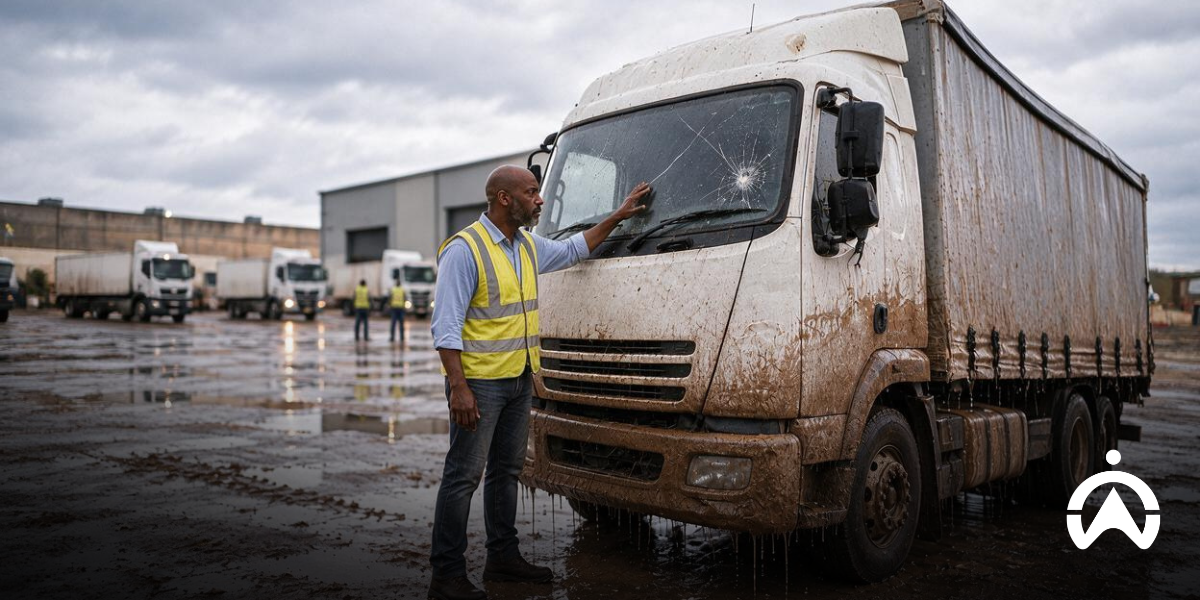
Your drivers must know what to do when there's a storm. Conduct regular training sessions with them on procedures such as who to call in an emergency and when and where to pull over (e.g., a nearby mall parking area).
Revisit your insurance contract and check if it covers natural disaster damage. If it doesn’t, make sure you add it or switch to an insurer that gives you a better deal. This protects the business from a major financial loss.
Your response during and after a storm can affect how quickly the business recovers and returns to normal operations. During and after a storm, the priority is to locate vehicles and assist drivers. Once that’s sorted out, you must assess vehicle damage and collect evidence for your insurance claims.
Here’s a detailed breakdown:
Trip history and timestamps to see where the vehicle is if a driver can't be reached or is stuck and needs help. GPS tracking technology also helps emergency services get to the vehicle’s location quicker, especially in instances where the drivers don’t have phone signal, can’t see any landmarks and can’t explain where they are.
Use GPS location and time evidence to support your insurance claim. Keep your claim file (with notes, photos, and reports) and all other reports in one place to ensure you don’t lose your evidence. If you want to take it a step further, get dashcams for your vehicles so they record everything and back up your insurance claim.
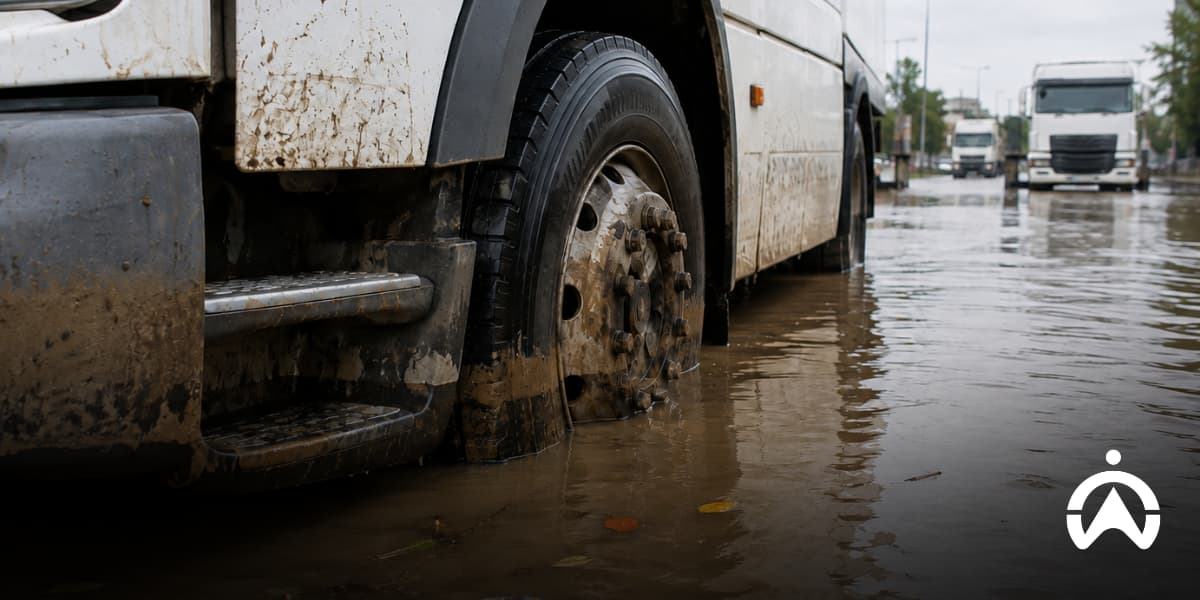
Inform your customers about what the business is experiencing so they understand the cause of the delay. From there, create new schedules using the unaffected vehicles. If there’s a huge gap, you might have to hire more vehicles in the interim until your damaged vehicles are fit for operations. Make sure you inspect flood-hit vehicles before they go back on the road.
We at Cartrack specialise in GPS fleet tracking solutions. With us, you’ll get the live location update you need for emergencies, a digital paper trail for evidence purposes, and much more. We help you make more informed decisions and keep things running as smoothly as possible after the storm.
Here are some of our top solutions for natural disaster management:
We have one of the best GPS tracking services in the country. You can use our technology to get reliable location updates and timestamps. Bad weather sometimes affects connectivity, which causes some of the evidence you need for insurance claims to be lost. But with our GPS tracking software, you won’t have to worry about that because our system is able to store location data offline. As soon as the network is back, you’ll have all the location data you need.
You can install panic buttons in your vehicles for a quicker response to emergencies. For example, if a driver is stuck in a flood and unable to reach their cellphone to call for help, they can press the panic button, and our control room centre will get an immediate alert. They’ll then contact you first to find out the kind of help your driver needs.
Your drivers can also use our mobile app to call for help, such as towing assistance after a storm. This is what we call the Protector service. All they need to do is click the button on the app, and our agents will call to check the specific kind of help drivers need and send emergency service to their locations.
In the month of August 2026 alone, we attended over 1,000 roadside breakdown assistance requests, showing our ability to support drivers when they need us the most.
If you run a large fleet, there’s no way to know who’s in which vehicle, and when there are emergencies such as storms, this information is crucial. To help with this, we have driver identification (DID) tags. Each driver will tap their tag against the reader, and it’ll be reflected on our fleet platform. If there are drivers who were injured during the storm, you'll know who they are and can inform their families and alert emergency services immediately.
If there are a lot of vehicles affected, it’s easy to forget one. You can use our fleet management platform to keep up by listing all the vehicles that are in for repairs. Our platform will keep you updated with the status of each vehicle so you’ll know when they’ll be ready to continue operations. It also helps you follow up on delays.
Our fleet management solutions help you prepare, stay in control, and keep your records safe. Don’t wait until the next storm happens before you react. Reach out to us to see the difference our solutions will bring to your overall fleet operations.
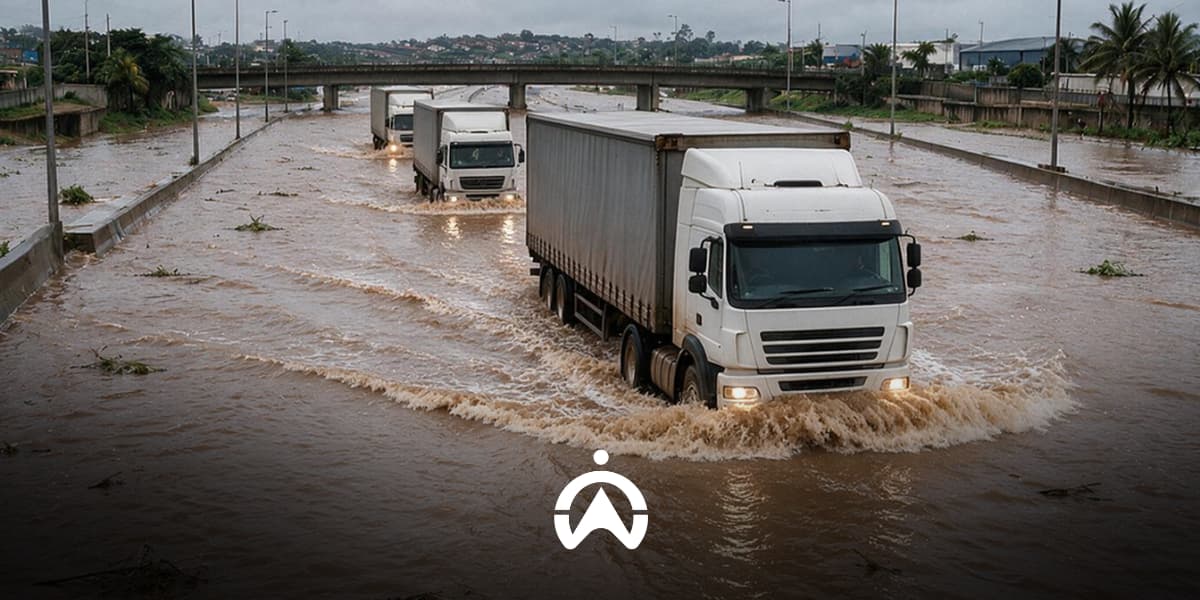
Learn how to protect your fleet from floods and hail with safety tips, GPS tracking and emergency plans.