Dashcams are becoming more popular by the day. Some have them to capture their journeys, and others use them for peace of mind on the road. Regardless of the reason for having them, the burning question is whether having a dashcam can reduce your insurance. In short, yes and no.
South African roads are notorious. From hijackings and smash-and-grabs to taxi drivers making their own lanes and deadly road rage incidents, having tools to protect yourself is a must. In 2025, there were 9,674 car crashes on South African roads, and those were just the ones reported.
Many small bumper bashes aren’t reported, and this is because it’s just not worth the hassle and the whole he-said-she-said argument that ends up happening. How many times have you driven behind a car where their brake lights weren’t working, praying that they wouldn't stop abruptly?
These reasons are exactly why many people and businesses are choosing to get dashcams and other AI-powered cameras in their vehicles. At Cartrack, globally to date, we’ve installed a total of 208,444 cameras!
Unfortunately in South Africa, having a dashcam DOES NOT automatically reduce your insurance premiums. Some insurance providers may lower your premiums, but this isn’t the standard across most of them. Now this may be disappointing to many, but just because it doesn’t currently reduce premiums, this doesn't mean it never will.
Dashcams are still incredibly useful, especially in South Africa, where our road conditions can quite literally give you whiplash.
So, if a dashcam doesn’t automatically reduce my insurance premium, how does it help? Well, evidence, that’s how. Dashcams provide indisputable evidence that you can give to your insurance to help with many in-vehicle claims you might have.
Let’s take a deeper look at what it can help with.
When you have a dashcam, you can actually prove that the person you rear-ended didn’t have working brakes before you hit them. Depending on the type of dashcam you have, you can also have proof of a hit-and-run or proof that you hit a pothole and it damaged your suspension.
In South Africa, smash-and-grabs are common, especially in bumper-to-bumper traffic. If your phone or laptop gets stolen out of your vehicle while you’re driving, a dashcam can support your claim and help speed up the process.
Many people try to commit fraud and cause accidents on purpose. Having a dashcam installed in your vehicle can protect you from any false claims and remove the he-said-she-said scenarios to give you peace of mind in these situations.
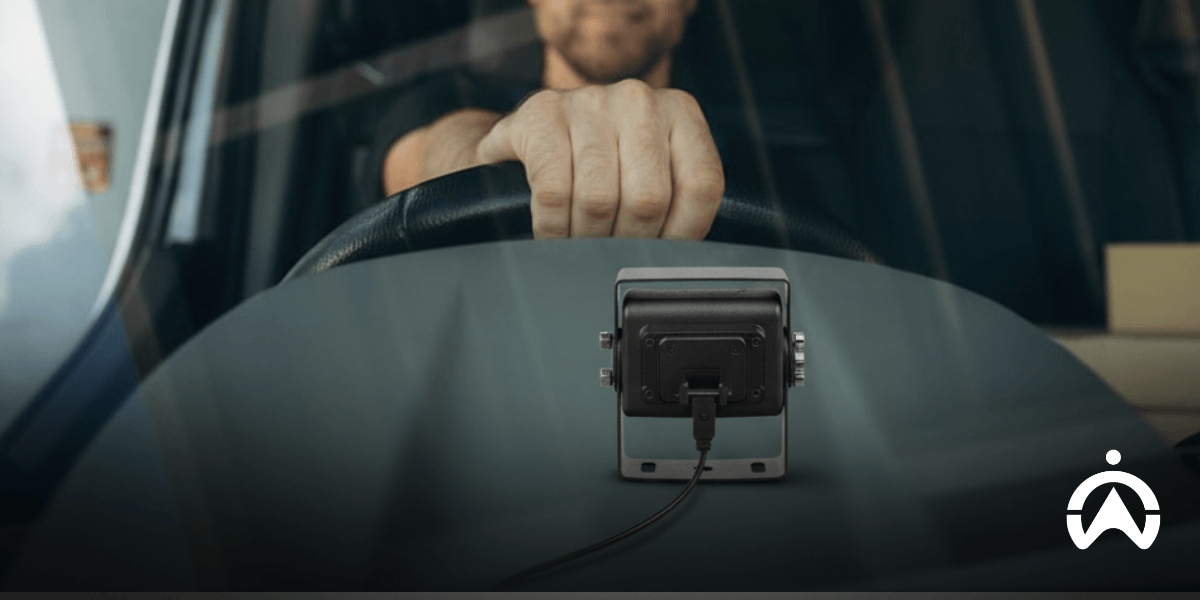
With the POPIA act, some people are uncertain around the laws of having a dashcam in South Africa. The Protection of Personal Information Act is a law that’s in place to protect personal information of all people and organisations in South Africa.
Now, does a dashcam infringe on this act? Yes, but only if you’re not using it responsibly. If you have passengers in your vehicle and you have a dashcam that records in the cabin, it’s best to let them know. If you’re in an altercation on the road, you should let the other person know that you have a dashcam recording.
If you’re a fleet owner and you install cameras in your vehicles, you need to let your drivers know and acknowledge that they’ll be recorded for security reasons.
Let’s say you see someone driving recklessly on the road, and your dashcam records this. DO NOT post it on social media. This is in direct violation of the POPI act. Any footage that helps with an accident or other incident on the road should ONLY be given to the police and your insurance.
No, there aren't any specific dashcams preferred by insurance companies because they're not a requirement. However, just because there isn’t a specific one they like, this doesn’t mean that you should just get any dashcam off the first site you click on in your Google search.
We know that dashcams can help speed up claims and prove your innocence. But if your dashcam isn’t capturing the footage clearly enough or doesn’t have certain features, it can end up being pointless to even have.
Important features to look for in a dashcam are:
Check out this near miss that was captured:
If you’re in a situation on the road and you need to claim from your insurance provider, your dashcam can help. But this isn’t without conditions. You need to provide the original, unedited footage to your insurance provider. The footage should ideally have the time and date on it as well as the audio.
Why is dashcam audio important? Audio helps to provide context. Was anyone hooting, could you hear tyres screeching on the road?
Another thing that can help your claim is telematics connected to your camera. Advanced telematics show your speed and exact location. When you have a dual camera, you can prove that you weren’t distracted on the road as well.
All of this information tells the complete story to your insurance provider (at least from your side) and can help speed up a complex claim and prove your innocence.
For the everyday driver, dashcams are a nice to have. But, for businesses with vehicles on the road, dashcams are a must. Your fleets are on South African roads at all hours of the day and in various areas; a dashcam can protect your business in multiple ways.
However, it’s important for us to state that businesses CANNOT have a basic dashcam that just plugs into the car lighter port and think they’re covered. As a business, you need an advanced AI-powered camera system that’s connected to a GPS telematics device.
AI-powered cameras that record both in and out of the vehicle are necessary because they monitor the road and also how your drivers are behaving in the vehicle. If your driver is dozing off or on their phone while driving, an AI-powered camera will immediately alert the driver to correct their behaviour. And as a fleet manager you’ll be alerted as well.
A camera that’s designed for fleets will:
Check out this video showing you proof of a driver at fault:
Now a dashcam may not automatically reduce insurance premiums for the everyday commuter, but for operations that have a lot of high-risk vehicles on the roads, you do have a greater chance of having your premiums reduced. This is because you have more than one vehicle insured by your provider; your vehicles are more expensive and your cameras are more advanced.
Let’s take a look at a possible scenario. Your driver David has been in an accident with your 16-wheeler. He drove off the road, and the truck rolled, writing it off and damaging the stock it was carrying. On top of that, David is now injured. As a fleet manager you now have a million things to handle, including claiming from your insurance provider.
This situation can go a few ways.
Scenario 1
Let’s say you don’t have a dashcam and telematics in your truck. Now it’s a back and forth with your insurance provider, and you can’t prove that David swerved off the road to avoid hitting a cow on the rural road he was travelling. Because let’s be honest, that sounds a little far-fetched.
Scenario 2
You have a plug-and-play dashcam that you found at a random online shop installed in your truck. When you try to get the footage to send to your insurance company, the footage is damaged, and you can't use it to prove your driver's claim.
Scenario 3
You have a Cartrack AI-powered dual vision camera and telematics device installed in your truck. You can pull the high-quality footage clearly showing the cow running into the road and that your driver wasn’t distracted while driving as well.
The telematics device allows you to show your driver's route and his driving behaviour before the accident happened. All of the data you get can be provided to your insurance provider, showing that David is a good driver and that this was an unavoidable accident. Your claim is now quickly approved, and you and David can rest easy.
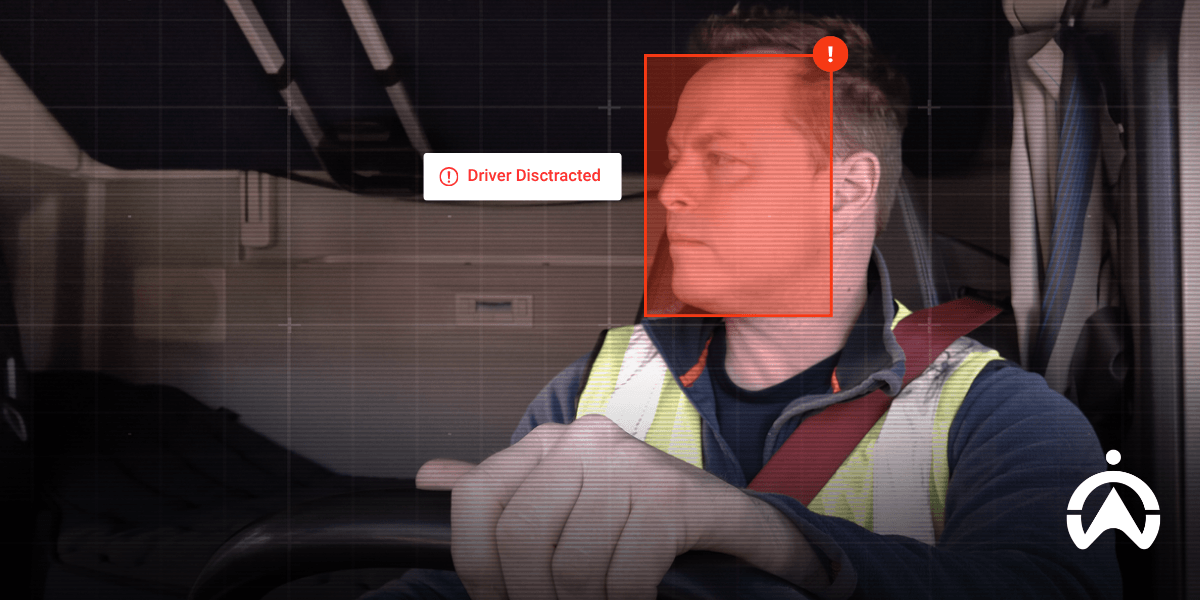
At Cartack we have 5 camera options to choose from for both fleet owners and everyday commuters. These cameras are:
All five of these can help you with your insurance claims. Let's take a quick look at their features so you can pick the right one for your unique needs!
Single road-facing camera, perfect to provide simple evidence in an accident.
This records both inside the cabin and on the road. Perfect for capturing incidents on the road and to see driver & passenger behaviour.
You can get up to 4 cameras to capture in-cabin, on-the-road, external and internal-facing views. This is best for fleets who want visibility of their vehicles and their cargo as well as minimising the chances of blindspot accidents.
With this camera system, you get a dual camera system that you can add extra views to, and it’s equipped with AI capabilities. This camera system allows you to monitor driver behaviour and alerts your drivers in real time as well!
This is up to 8 cameras, and it’s designed for fleets. You’ll have complete visibility and will give your insurance everything they need in the event of a serious accident.
If you found this blog insightful and want tips on how to save on car insurance, check out this blog.
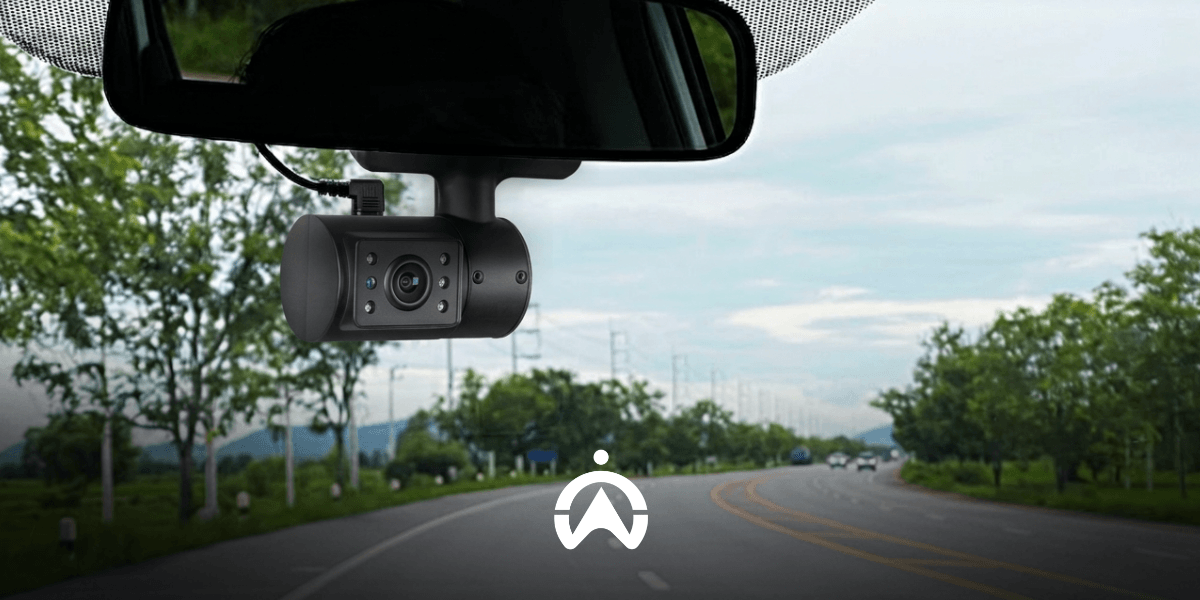
Will a dashcam reduce your insurance? Discover how these tools protect everyday commuters and businesses while speeding up claims on South African roads.