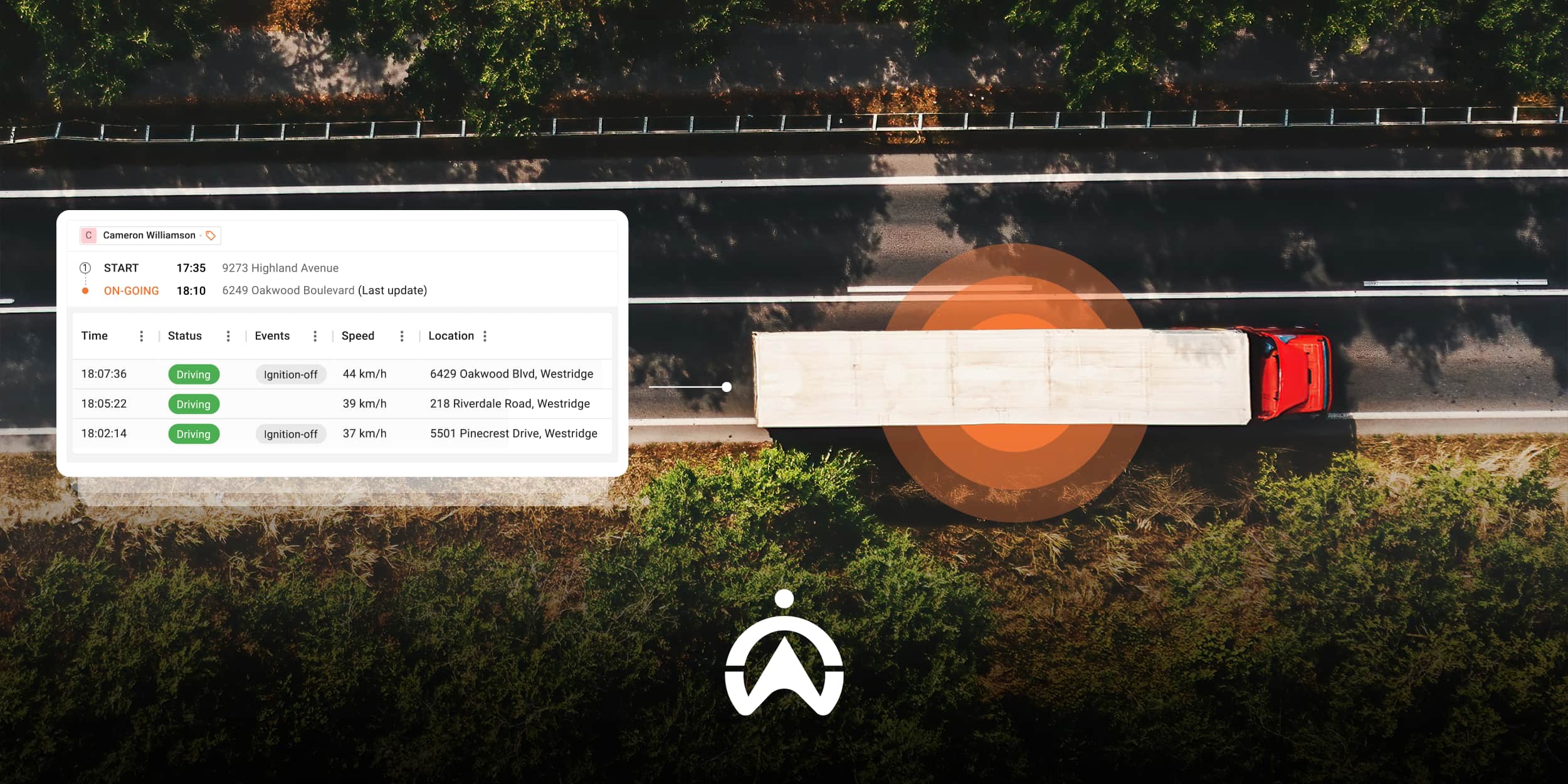
GPS fleet tracking seems like a very basic concept, but it has many factors at play. For a fleet manager, it’s vital to completely know and understand everything there is to GPS fleet tracking. As the industry expert, we at Cartrack put together some FAQs on GPS fleet tracking to make sure you know everything, from what it is to what it does and how it works.
GPS fleet tracking is when a business makes use of a GPS device to keep a close eye on their fleet. Everything from location to direction and speed can be tracked. This is often coupled with fleet management software to ensure that fleet managers have a comprehensive overview of their fleet.
The best GPS tracker for your vehicle is one that matches your business' goals and objectives. It’s fully dependent on your needs as a business, which is why Cartrack is recognised as one of the best GPS tracker providers. At Cartrack, we provide customised solutions that cater to your business, regardless of its size or industry.
A GPS tracker uses a network of 24 satellites orbiting Earth to pinpoint the location of anything attached to a GPS device by sending signals. Just three GPS satellite receivers are needed to determine the device’s position, time, and speed through a process called trilateration.
You’ll find basic GPS tracking software in South Africa priced between R149 and R260 a month, plus an upfront fee ranging from R1,699 to R3,299. Alternatively, you can choose monthly rental packages, typically over 36 months, which cost between R199 and R335, depending on what you pick. P.S.: At Cartrack, hardware installations are always free!
Implementing a fleet tracking system can help boost your business and fleet’s ROI in the following ways
To build a solid fleet strategy that aligns with your business objectives, you’ll need to follow these 5 steps:
Cartrack is rated as one of the best-rated GPS fleet tracking systems for accurate delivery estimates. The Cartrack delivery solution uses advanced GPS technology and software to optimise your drivers' routes, instantly update their assignments, automate your customers’ notifications, and provide you with real-time fleet visibility.
You should choose Cartrack for your fleet tracking because it’ll provide you with full visibility of your vehicles, drivers and cargo. This is all thanks to its fully integrated system that’s perfect for fleets of every size.
GPS tracking can directly increase your profitability in the following ways:
It also reduces:
Cartrack addresses poor driver behaviour to improve ROI by providing fleet managers in real time with alerts on risky driver behaviours such as harsh braking, rapid acceleration, and excessive idling. It helps minimise preventable accidents and prevents reckless driving. By doing so companies save on fuel and cut down on maintenance and repair while prolonging fleet life.
A GPS fleet management system helps with admin efficiency and compliance by giving fleet managers a clear overview of operations, helping them tackle tasks quickly and on schedule. Fleet managers rely on this info to make smart decisions about operations, streamline processes, and cut costs—all while keeping safety, efficiency, and compliance with regulations top of mind.
A reduction in operational costs can be seen as the biggest source of cost savings with fleet tracking. Keeping a close eye on your fleets helps you stop bad driving habits, like speeding and excessive idling, which lead to higher fuel usage and faster wear of your vehicles.