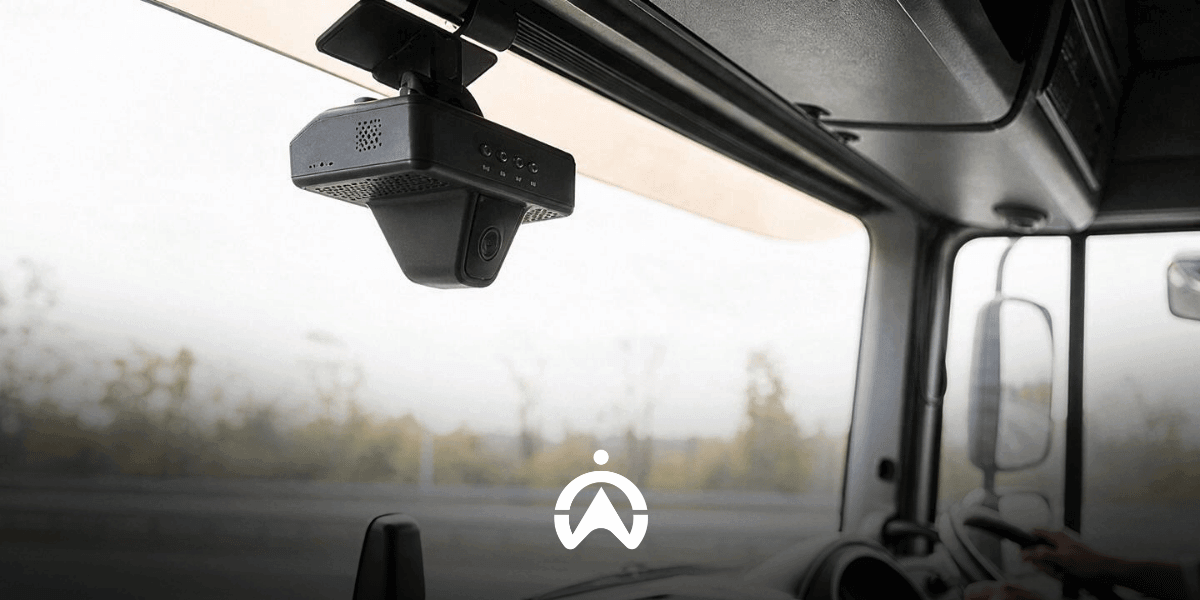
Dashcams are becoming a standard piece of technology in fleets across the globe. However, take note that there are many safety laws around dashcams around the world. This FAQ page explains the ins and outs of global fleet safety and privacy laws surrounding dashcams.
No, not automatically. But if the cameras are continuously recording, in secret, or without having a clear lawful and safety purpose, then they are violating the General Data Protection Regulation (GDPR) and South Africa’s Protection of personal Information Act (POPIA) privacy laws.
Dashcams are banned under Austria's privacy laws, with fines upwards of €10,000. Luxembourg and Portugal strongly prohibit private recordings, while Germany, France, Belgium and Switzerland only allow them with strict distribution limits of footage. Switzerland’s privacy laws require anyone who is captured on camera to know that they’re being recorded and to consent to it, making dashcams non-compliant.
Yes, fleet operators are legally required to notify drivers that dashcams are installed. Not only that, but you must also clearly explain why monitoring is happening, how the data will be handled and who is allowed to view the footage.
Simple road-facing dashcam recordings are seen as lower-risk video surveillance. AI driver monitoring cameras that monitor driver behaviour are in a different legal category. The EU AI Act treats in-cabin behavioural monitoring in an employee context as high-risk, requiring conformity assessments, human oversight, and documentation.
Yes, there are currently no dashcam bans in any neighbouring SADC countries. Cross-border fleet operators need a B-BRTA permit, customs documents, and a roadworthy certificate. While the footage itself is fine to carry, South African-recorded footage still falls under POPIA.
It’s important to note that there isn’t a single global dashcam standard. However, compliant systems need:
Yes, dashcam video footage can be submitted to contest an illegal AARTO traffic fine. But remember, that footage must be submitted within 32 days of an infringement notice. Motorists must submit an official AARTO 08 Representation form and upload the dashcam footage to contest it via the Road Traffic Infringement Agency (RTIA) Portal.
Camera systems support ESG compliance in the following ways:
Governance: Audit trails, anti-fraud evidence, and documented risk management.
Social: Driver safety, wellbeing, and fair-treatment monitoring.
Environmental: Safer driving habits (less speeding and harsh braking) reduce fuel usage.
Globally there isn’t a set limit to how long you can legally store dashcam video footage. However, in South Africa under POPIA, you're only allowed to keep unauthorised personal footage as long as it serves a specific and lawful purpose.
No, it’s not illegal to record in public, but sharing or keeping identifiable footage is restricted. For example, in most of Europe, dashcams are legal for personal use, but sharing the footage can violate GDPR.
Cartrack’s AI dashcams are built with privacy regulations in mind. All footage is securely stored, and only authorised personnel will have access to it. Additionally, footage can be set up to only capture event-based data and not record continuously. This helps fleets comply with privacy laws across the globe.
With Cartrack you have one system for your entire fleet, regardless of where they're based. However, when it comes to the specific laws and regulations that are country-based, you’ll need to research that beforehand and ensure that your fleet is compliant before they operate in those countries.