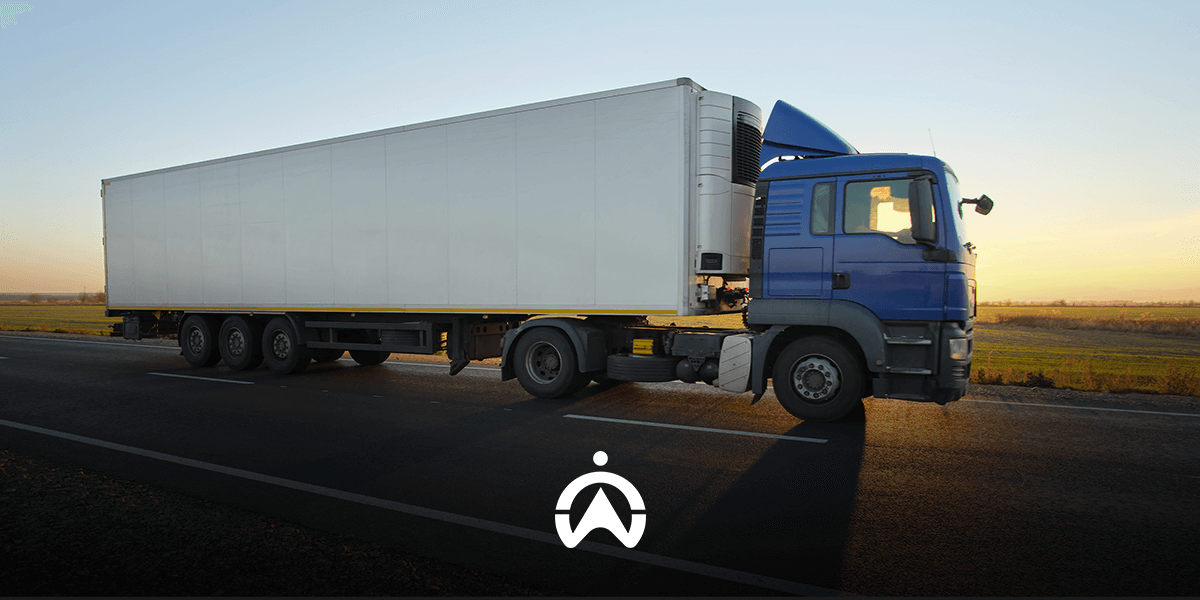
Short-haul trucking makes up a massive part of our economy, and it’s only set to grow in the near future. Fleets that use relatively smaller trucks to distribute their goods are in high demand, but only if they’re managed well. Let’s answer some of your questions about short-haul trucking and help you understand how to grow and develop your business the RIGHT WAY.
Delivery & distribution is considered short-haul trucking when the distance travelled is shorter than 300 kms. The stock load is usually smaller, and so is the truck. Because the distance is shorter than a long haul, there’s less need to pack as much stock as possible for a trip.
The difference between a long-haul delivery trip and a short-haul delivery trip is the distance between the load and the drop-off. Short-haul trucking in SA usually means travelling within a province, or to a neighbouring province (not across multiple provinces). Long-haul is travelling more than 300 kilometers across provinces, and sometimes even across the SA border into neighbouring countries.
The type of trucking doesn’t necessarily dictate its profitability, but volume certainly does. In other words, if you run a short-haul refrigeration fleet and deliver fresh produce, you can make a high profit if you’ve got multiple trucks delivering to multiple retailers. On the other hand, long-haul trucking of machinery or appliances can also be very profitable, but only if you adhere to the many regulations that go with it.
Yes, a pre-trip inspection is always recommended (and often mandatory) for short-haul trucking. The challenge, though, is that not every problem can always be spotted during a regular inspection. That’s why fleet companies are starting to use predictive maintenance software that uses AI to alert them to vehicle service needs.
Yes, if you’re a driver entering the trucking career in South Africa, it’s best to start with short-haul truck driving and move on to long-haul later if you choose to do so. Remember that the hours for long-haul are longer, and the stress can often be higher compared to short-haul trucking.
Yes, you absolutely need a fleet system for trucks that only do short-haul trips, because the right FM software can optimise routes, save on fuel costs, and increase efficiency by large margins. Fleet systems also protect your vehicle from theft, help you coach your drivers, and alert you to vehicle health issues.
The pros of short-haul trucking:
The cons of short-haul trucking:
It’s not necessarily cheaper to only take short trips with your fleet, because urban and suburban driving uses up a lot of fuel. The best way to mitigate high fuel costs is with fuel management software that tracks your fuel, prevents fuel fraud, and even shows you where you can cut down on waste.
Yes, Cartrack’s fleet management software for trucks is highly flexible and adaptable to both long-haul and short-haul fleets. We’ve identified the challenges that both these industries face, and will tailor your package in such a way that it fits perfectly with the unique needs of your business.
Yes, Cartrack’s FMS is designed with scalability in mind. As your business grows or changes, so does the software. You can also contact Cartrack at any time and ask a consultant to re-evaluate what we offer compared to what you actually need, ensuring you only pay for what’s being used.
A short-haul trucker needs certain hard and soft skills to do well at their job. Hard skills include the handling of a short-haul truck (in terms of reversing, speed control, and manoeuvring), truck inspection, and how to secure a load. They should also have a sense of road patience, friendly customer interaction skills, and be able to handle the pressures of delivery deadlines well.
Short-haul truck drivers are MORE prone to distracted driving, but less prone to fatigue during their trips. If distracted driving is a problem in your fleet, you can use vehicle cameras to detect fatigue in your drivers and remind them to keep their eyes on the road for their own safety and the safety of your cargo.