What is fuel hedging, and is it really the best strategy for saving your fleet on fuel costs? These and other questions are answered right here. You’ll learn how to approach fuel hedging with discernment and a strategic mindset, while also discovering methods to combine with hedging to maximise savings.
Fuel hedging is purchasing a large volume of fuel in advance at a fixed price. If the fuel price goes up, you still pay the price you agreed to. However, if the fuel price goes down, you carry on paying the price you agreed to based on the volume you purchased or the contract you signed.
Hedging can be profitable if it’s done during times when fuel prices are likely to go up. It’s especially profitable if done by large companies with multiple vehicles that are on the road perpetually. However, the risk is also higher since more fuel is purchased in such cases.
Fuel hedging isn’t right for every company, and it’s not always the right time to do it. Ideal conditions should be established beforehand, and these include:
A common mistake many make when it comes to fuel hedging is not doing their homework. If the fuel price is about to drop, you can lose a lot of money by purchasing bulk volumes at a price that’s about to change. Another mistake is committing to buy more than what you actually need.
The most effective way to manage fuel consumption is to embrace AI-powered technology in the form of fleet & fuel management software. This will help you to train your drivers to use less fuel, optimise the routes of your drivers so they make quicker deliveries or service calls, and monitor fuel to identify where fuel is being wasted or stolen.
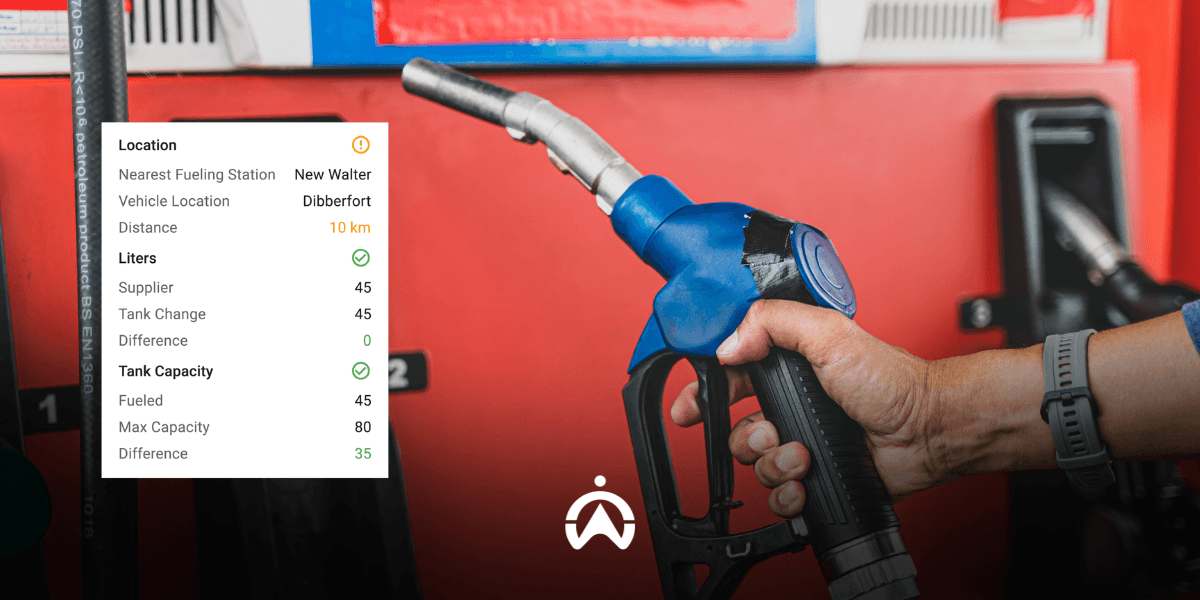
Cartrack uses various fuel devices to send signals to our software platform. The devices are installed in/on to the vehicle’s fuel tank and provide data that highlights potential waste problems or fuel anomalies. You’ll get all this information on your PC or mobile device screen, allowing you to take action like coach your drivers, stop wasteful habits, or maintain your vehicles better.
Yes, some companies with large fleets still do fuel hedging, especially when fuel prices are predicted to go up. However, some airlines in the US abandoned fuel hedging after losing billions of dollars by failing to predict that the fuel price would go down. They were stuck paying the price they had agreed to, losing the bulk of their profits.
One of the surest ways to save fuel and reduce consumption is to drive vehicles in a way that conserves fuel. This means fleet operators should focus on coaching their drivers to this end. Other methods include optimising the routes of your drivers, maintaining vehicles so they burn less fuel, and monitoring fuel to identify waste.
No, fuel hedging doesn’t guarantee that you’ll save corporate funds. It’s somewhat of a gamble, so make sure you do some research first. If you’re convinced that the oil price will soon go up, fuel hedging is a good way to protect your company. If you think it might go down, avoid fuel hedging and just be patient.
Yes, it’s possible to do fuel hedging if your fleet operates across various borders. However, it’s more risky because you’re now dealing with two or more different fuel prices and currencies respectively. This means you’ll need to keep your eye on these prices all at the same time, which takes more effort.
Fuel tips that don’t actually work include:
There are many nuances to fuel hedging and what you’ll end up paying SARS. If your fuel hedging is for the sake of making an investment profit, you’ll likely pay more. But if it’s simply to save money and protect your budget, you’ll pay comparatively less. Speak to an accountant or use fleet cost software to make sure you’re paying as little as possible to the taxman.