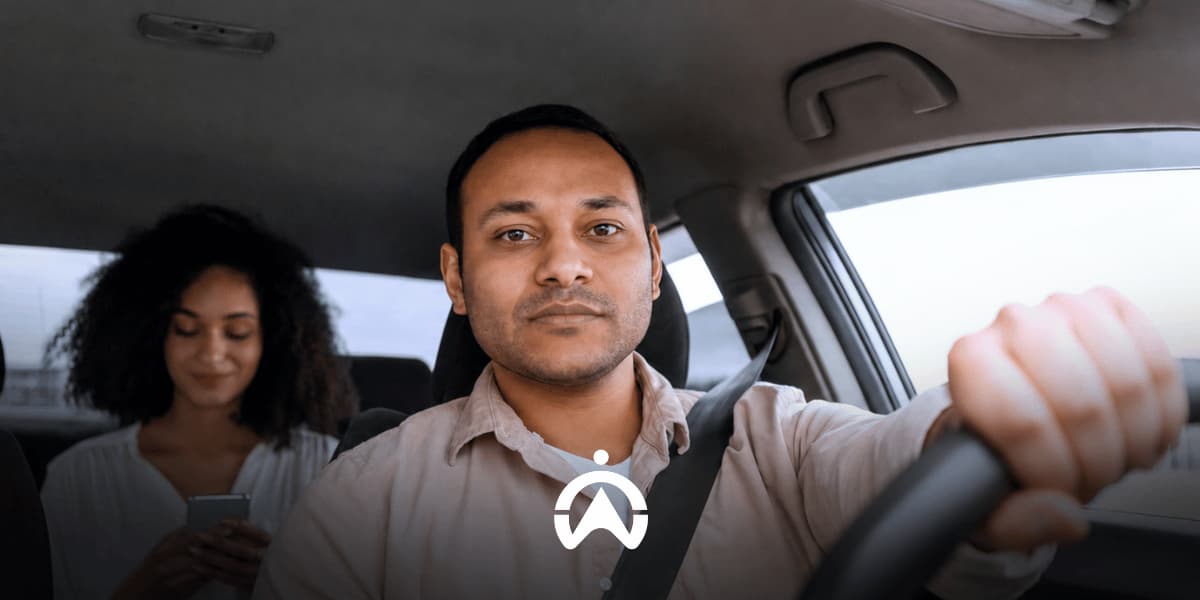
E-Hailing Drivers Stats and Risk Management | Get the Answers from Cartrack
To successfully and effectively manage risk as an e-hailing driver, it’s important to be prepped with as many safety precautions as possible. There’s been a sharp rise in violent acts against e-hailing drivers, but with the assistance of tools like high-quality dashcams and live GPS trackers, the police can quickly and effectively track down criminals.
The value of a dashcam (and other key technologies) is undeniable when it comes to e-hailing safety. Time and again, Cartrack’s dashcam footage and panic buttons have helped capture criminals targeting and hurting drivers, offering significant evidence that brings justice for these drivers. Read on to learn more.
1. What are the unusual risks e-hailing drivers experience?
Hijackings and robberies (oftentimes armed), especially for the car or the driver’s belongings
Assault from unruly passengers
Threats to the driver’s life
Being lured into traps under the guise of simply transporting a passenger to a location
Becoming victim to crime syndicates and turf wars, especially in relation to taxi groups
Extortion
2. Is it safer to drive an electric car vs a fuel car as an e-hailing driver?
Yes, it’s generally considered safer to drive an electric car vs a fuel car as an e-hailing driver. When you consider the stop-and-start nature and long hours of inner-city driving, charging patterns ensure that drivers are taking regular breaks. EVs are also known to be far quieter and less of a fire & injury risk in an accident.
3. Approximately how many e-hailing drivers are there, and is it worth becoming an e-hailing driver?
According to South African Migration International, there are upwards of 80 000 e-hailing drivers. Whether it’s worth becoming an e-hailing driver or not depends on too many factors, like whether you own your car, how many hours you work and whether those hours benefit you, demand, running costs, etc.
4. What insurance options cover ride-share activities in South Africa?
The insurance options that cover ride-share activities in South Africa are usually specialised e-hailing or commercial vehicle insurance. This is because e-hailing vehicles are income-generating assets that’d need to be covered for more than accidents, like downtime and compliance too. Numerous insurance companies cover ride-share activities in South Africa, including well-known names like Hollard, MiWay, Budget Insurance, and iWyze.
5. How can e-hailing drivers protect themselves from passenger aggression?
Verifying passengers, i.e., confirming the details of the passenger and their in-app rating
Abandoning conflict when it arises, i.e., not engaging further and remaining as calm as possible
6. Are there any driver support services for e-hailing risks in South Africa?
Yes, there are driver support services for e-hailing risks in South Africa. The e-hailing apps themselves typically provide in-app safety support and emergency assistance. Tracking companies, like Cartrack, offer technologies designed to support driver safety. South Africa also has a formal body called the South African Ride Hailing Association (SARIDEHA) under the E-hailing Association of South Africa (EHASA), which prioritises and fights for the needs and safety of e-hailing drivers.
7. How can Cartrack's fleet management software assist with the risks and dangers of e-hailing driving?
Live GPS tracking: For visibility, especially for a quick response in an emergency
Driver behaviour: For close monitoring of potentially dangerous driving habits
In-cabin communication: For immediate communication between you and your drivers
Customer support: For quick response from the tracking provider in the event of an incident
10. Does Cartrack have a panic button, and how does it work?
Yes, Cartrack does have a panic button. It works by quietly sending a distress signal to the Cartrack control room (so that the criminals aren’t alerted to your distress call), and the operators quickly respond. Our team will contact your emergency contacts and, based on your location, will coordinate for emergency services to be sent to you.