Utilities that provide our cities with gas, water and electricity need a fleet management system to stay on top of which drivers are where, and when they’ve completed a task. These are the services that keep our cities & homes functional, so speed and efficiency are paramount.
South Africa supplies a total of about 133 Mtoe (Million Tonnes of Oil Equivalent) of energy each year, according to research done by Enerdata. This pool of energy is managed by multiple province- and city-run municipality organisations, which means they decide who gets switched on and who gets switched off.
Many of these organisations also works alongside individual gas & water management entities, and road travel is a big part of each one. If you manage one of these entities, pay attention as Cartrack explores the need for FMS in utilities.
Utilities should manage their drivers and keep track of their vehicles using software because thousands of people rely on their services for basic home & business needs. Because road travel can prove precarious at times, keeping drivers safe, on time, and accountable is how risks are managed and service is maintained.
The "fleets" you see servicing communities (like maintenance trucks for water & power or rubbish collection vehicles) are a mix of government-owned and privately managed services.
How does this work? While the responsibility for the service lies with the provincial government, the active management of vehicles is mostly outsourced to private specialists.
This means that each individual area within a country is affected by how efficient those fleets are. If a utilities fleet is badly run, the residents of that city or town will suffer as a result.
Utility providers can protect their drivers through regular coaching, vehicle camera systems, and a proactive maintenance strategy. It’s also important to protect each vehicle too, because your drivers rely on these vehicles to get from point A to point B safely.
More importantly, residents need to be protected. Utility workers are performing tasks that could cause explosions (gas), electrocution or fire (electricity) or even flooding (water). With fleet management software you can control your fleet better and manage these risks to better prevent them.
Utility workers do the same job day in and day out. This can breed complacency, which is a hotbed for incidents. Managing your fleet beyond just its vehicles helps you create a safety culture that keeps your workers accountable.
It’s not just about your drivers—it’s about ALL your workers.
This is never more true than in situations where your utility workers are in high-risk areas. This is when they and you need to be on high alert.
Fleet management software comes with handy tools like geo-fencing which alerts you to those times when these high-risk visits are actually happening—helping you prioritise your attention. It also comes with panic buttons so that your workers can urgently alert you to a crisis if one happens—helping you to react fast to mitigate disaster.
Drivers can be their own worst enemies sometimes. Accidents in fleets are often caused by distracted driving, cellphone use, or speeding. Time to take control! Minimise these habits and you’ll have a significant effect on the common risks drivers face. You’ll also keep the residents you serve safe from fire hazards, gas explosions and flooding from burst water pipes.
How?
Whether you choose one of these or both, you’ll get valuable, high-quality data to keep your drivers on the straight & narrow.
What about everyone else on the road? Your drivers are at risk every day due to the bad driving of others—not to mention damaged roads, unexpected obstacles, and extreme weather conditions.
The vehicles are what carry your utility service deliverers. If driver safety comes first, vehicle safety is a close second. But is tracking enough these days? Thieves are wisening up to tracking devices and using jammers to scramble their signal.
As usual, Cartrack is one step ahead. We use hardwired tracking devices AND offer the Cartrack Tag as a backup if your regular device gets jammed.
If you really want to upgrade the security of your utility vehicles, consider our freely installed cameras that record everything that happens in and/or around your vehicle. Vandalism, theft, or hijackings—our cameras pick up everything!
At the heart of fleet management for utilities is a focus on service delivery. Unlike most fleets, utility fleets keep the wheels turning for residents & businesses, placing high importance on speed, scheduling, and proof-of-service. Can FMS meet the challenge? Yes—and more.
When it comes to turning someone’s water back on or delivering a canister of gas before nighttime supper, priority plays a role. In utilities, certain tasks are more important than others, which is why scheduling is so important.
Cartrack's workforce optimisation app boosts your utility service productivity by automating task assignment and optimising the workflows of your technicians. It does this using AI-powered algorithms that prioritise some jobs over others based on your managerial discretion.
Good service means speedy arrivals. Part of what Cartrack’s workforce optimisation software does is provide you with optimised routes so your drivers bypass traffic, damaged roads, and long routes. Residents and business owners will appreciate your dedication to quick utility fixes like switching on their power or getting their water turned back on.
When one of your technicians finishes their task, you have to rely on their word. So does the resident. This can often lead to disputes that are nuanced in various ways. But when you have conclusive evidence of a job being completed, disputes become much easier to resolve.
For utility companies, this saves time & money, enabling your team to complete more tasks per day. Whether it’s a digital photo, an electronic signature, or a digital copy of a document, tasks flow more seamlessly when you have a system that WORKS.

At the end of the day, a utilities company needs to turn a profit. It’s a business after all, and money keeps things running—not just for the business, but for the town or city being served as well. To keep profit margins high, using a fleet management system is being regarded as a necessity rather than a luxury.
Why pay for something unless it’s delivering a decent ROI? Let’s find out how FMS safeguards your profits.
Every vehicle in your utilities fleet needs to be insured. This is one of the biggest overheads you’ll have, and risk profiles affect just how big it ends up being. You may not know this, but insurance companies LOVE high-security features on your vehicles. They lower your risk profile and make disputes easy to resolve.
Adding alert systems, vehicle cameras and tracking devices to your vehicles gives you the leverage to negotiate your insurance premiums. And let’s be frank: every rand you can save makes a difference to your annual profit over time.
A good FMS should be designed to help your team service more residents. Through route optimisation, task completion evidence and fuel savings, your team can reach more people in less time. Your productivity goes up, and invariably, so do your profits.
Fuel is where you should see the biggest savings. Some fleet companies that use Cartrack report up to 24% savings on their fuel overheads. Why shouldn’t utilities companies enjoy similar results? Your vehicles are on the road A LOT, so every small adjustment you make adds up.
When it comes to features that fit the daily operations of utility fleets, Cartrack emerges as a solid fleet management service provider. Our security features are layered, and you get to choose which ones you want without paying for ones you don’t use.
It’s also worth looking at a solution that helps your fleet operate seamlessly, because this means better safety, higher profits, and a good reputation that just keeps developing over time.
Talk to our consultants about what you need, and we’ll discuss a range of features that will keep your utility fleet flowing, keeping your area of residents supplied and satisfied.
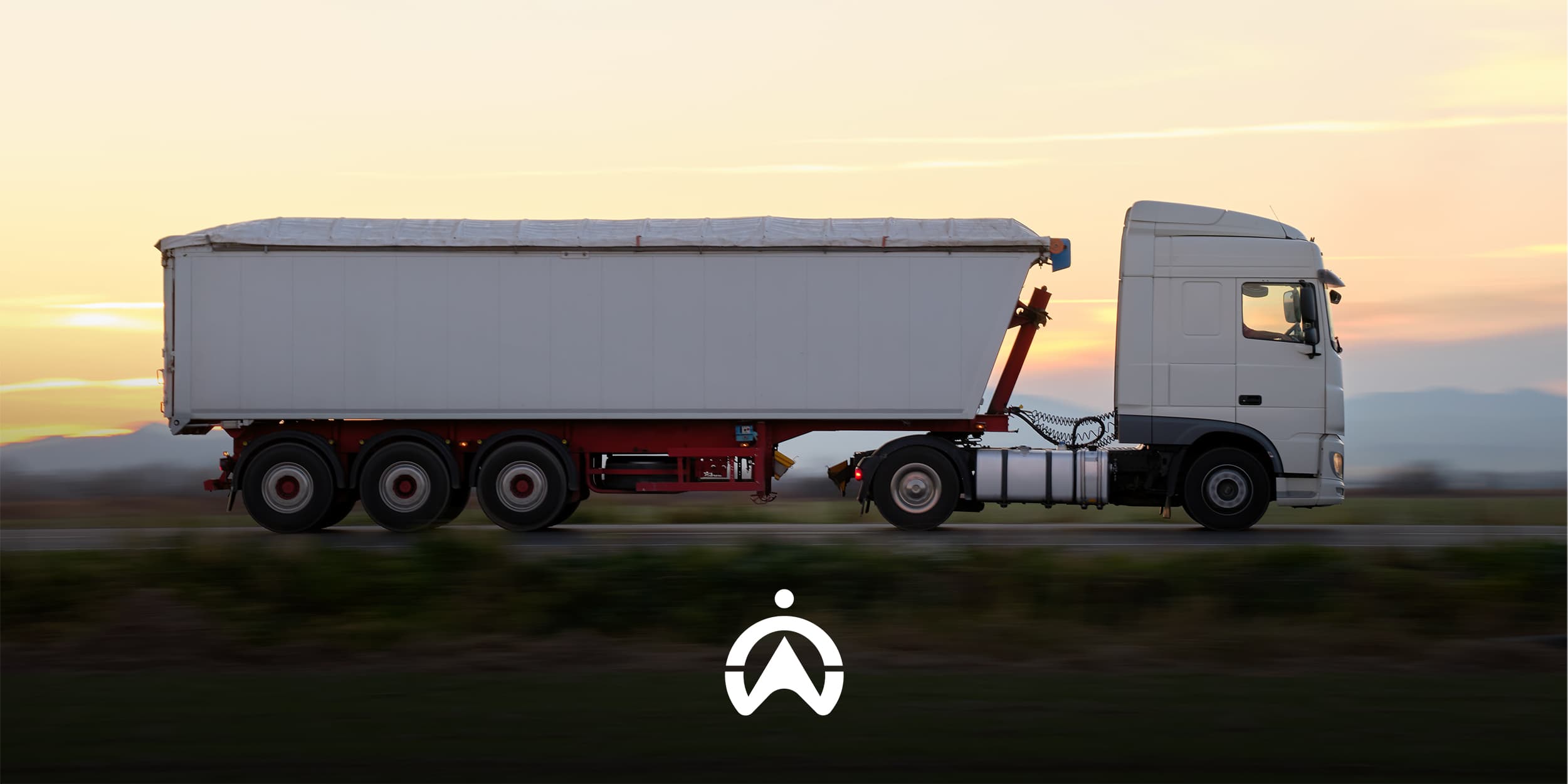
Optimise service delivery and mitigate road risks with a utilities fleet management system to improve driver accountability and maintain essential services.