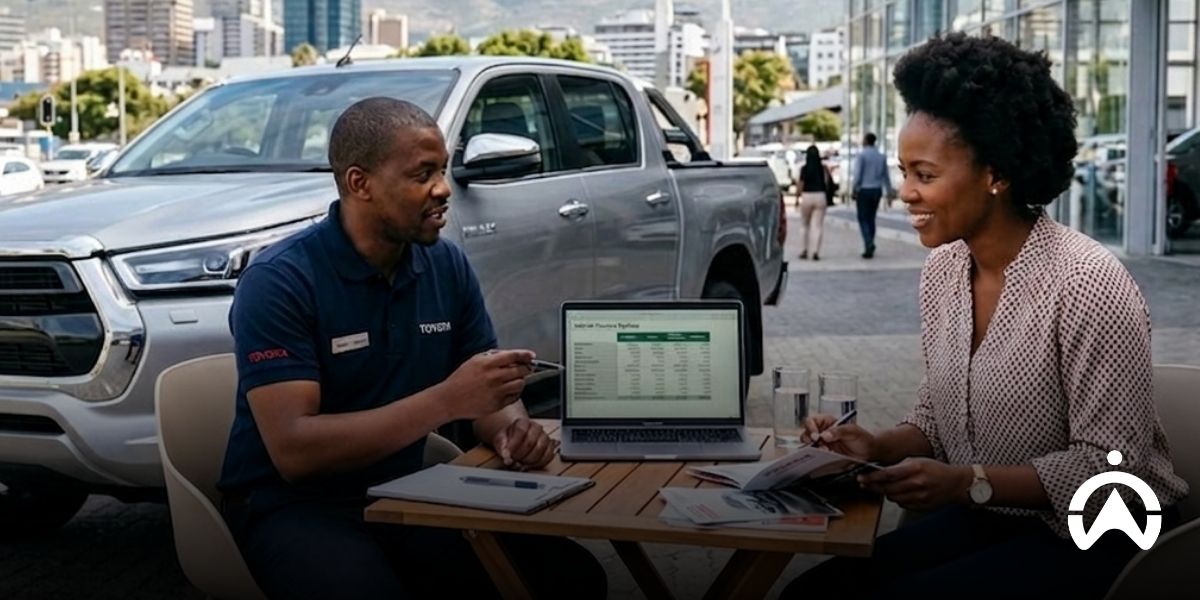
Buying a car directly from a private owner is slightly different from buying one second-hand at a dealership. There are important quality features to check that’ll help you match up the car with what you’re paying (or should be paying). Determining the value involves looking at the history, inspecting the current condition, and trusting your instincts.
Then there’s the paperwork, which involves legal considerations and payment security. Online marketplaces like OLX, Gumtree, and even Facebook are regularly flooded with used car deals. While this is often a quicker and more lucrative way to sell a car, some do it for dubious reasons like hiding mechanical faults or attempting to get more money than the car is worth.
Cartrack will walk you through the second-hand car purchasing process step by step so that you get the best deal when buying a car from a private owner.
The first thing you need to establish before buying a car from a private owner is that they do actually own the car. The proof of ownership document is a MUST, and there are ways you can confirm if the registration certificate (RC1) is real or fake.
Once you get to the private owner to inspect the car, ask them for the RC1. Then:
Besides the RC1 document (most important), you'll also need a yellow form. This will be filled out by you and the previous owner. Once it's complete, either you or they must take the form to the nearest licensing department for processing. They'll update their system to reflect that you are now the legal owner of the vehicle.
Optional paperwork worth considering for due diligence:
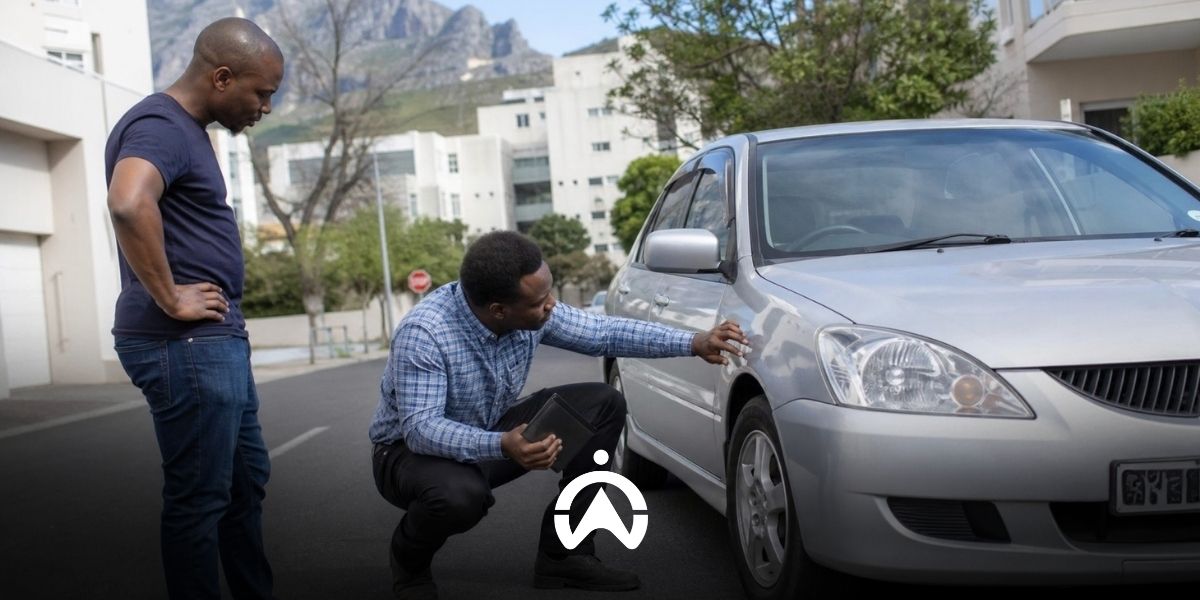
When inspecting a private owner’s used car before buying, use this checklist:
Seeing evidence of damage or a past accident might not cause you NOT to buy the car, but it’s relevant to bring up with the previous owner. They should be charging according to the car’s current condition and must declare if the car’s been in an accident.
When test driving a used car (which is highly recommended before buying), make sure you do short-stop driving as well as long-distance driving. Short distances will give you a feel for the brakes & suspension, while long distances will allow you to listen out for rattling noises or car performance issues.
Drive over a few speed bumps and note how the car’s suspension handles it. Also observe how the brakes handle stops at red lights and stop signs, and don’t forget to take note of how well the car pulls off from these points (clutch-related). You’ll also pick up if there’s engine hunting, which could indicate a damaged engine head or other less-serious problems.
Long drives let you check a few other important things, like whether the engine overheats or if the car makes rattling sounds. Pay close attention to the steering wheel when you do a highway drive, because vibrations could point to wheel alignment imbalances.
If you can, park somewhere else after your test drive is over. Go back to where the car was parked initially and look for fresh oil stains. A car that leaks oil will have mechanical issues that need to be addressed with the previous owner.
Also check the handbrake by parking on an incline if possible (although you can also test this while driving around town). Test the indicators, lights, and hazards while you’re parked and safe, and feel free to get out of the car to see if they work externally.
SIDE NOTE: If you want to protect your newly-purchased car while it’s parked, check out Cartrack’s virtual car guard app!
If the previous car owner has a tracking device installed, you can speak to them about either having it removed or having the tracking service transferred to your name. In the latter case, the device will simply remain installed, and you can contact the tracking service provider to change ownership.
If it’s a Cartrack device, we make this process simple. Just give us a call and we’ll do the heavy lifting on your behalf.
If you just landed yourself a good deal on a used car, consider protecting it with a GPS tracking device if it doesn’t already have one.
It’s also highly recommended by many local influencers that all cars install a dashcam, as this offers a myriad of safeguards for motorists like you.
If you have any Cartrack products in your old car, speak to us about transferring them to your newly-purchased one, and we’ll schedule a visit.
If you're buying a used car privately, read our guide on how to verify an RC1 document, what paperwork you'll need, and what to look for during a test drive.