Dashcams aren’t just devices you go buy at a tech store. They should rather be seen as an (ideally) hardwired vehicle component that is essentially part of your car. Failing to manage footage and memory is another common mistake motorists make, but it all starts with choosing the right dashcam from the get-go.
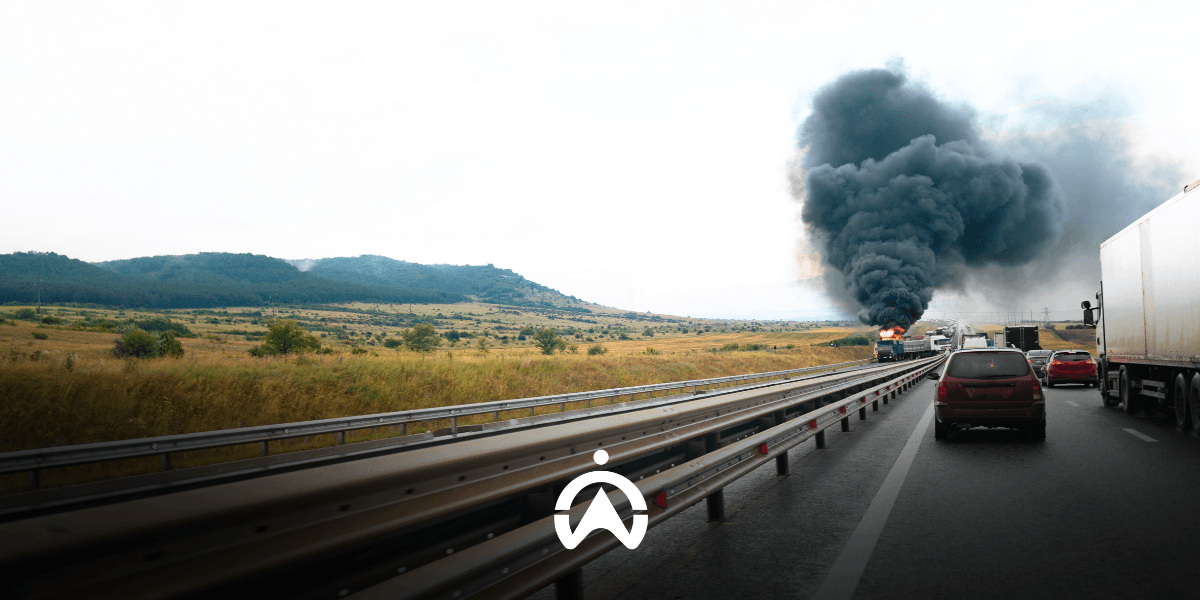
According to an article by Arrive Alive, dashcams "...have become nearly indispensable for Russian drivers...", with over 1 million drivers having installed them to date. As the same article highlights, an infamous truck accident in Pinetown has South Africans researching dashcams to ensure their road incidents are properly captured for legal means.
But with so many brands available to SA consumers, which one is best? And what are the mistakes being made by motorists when they finally bite the bullet and make the purchase? Cartrack will highlight 5 common mistakes you could make when using a dashcam and also show you the best way to avoid these mistakes by purchasing the right one.
Arguably the biggest mistake dashcam users make is in the initial selection process. Dashcams are seen as an accessory for your car; something we just add for continuous recording “just in case” something happens that’s worth capturing.
But dashcams are a bit more complex than people realise. Video footage takes up a lot of data. Imagine capturing every trip on your phone camera! It wouldn’t be long before your gallery ran out of space. And if you were to go over that footage afterwards, you’d quickly realise that much of that footage is painfully boring.
This is basically what store-bought dashcams are: simple cameras that record EVERYTHING about your trip. Not as useful as one might think.
Problems that stem from buying the wrong dashcam:
The 5 mistakes we mention in this article actually stem from this main mistake: CHOOSING THE WRONG DASHCAM to begin with. This will create mounting problems (you’ll likely have to mount it yourself), data management problems (store-bought cameras come with SD cards that require meticulous maintenance), and other challenges.
So before you buy your next dashcam, let’s look at how mounting, data management, and safety features can be misunderstood. That way, you’ll make the right choice from the get-go.
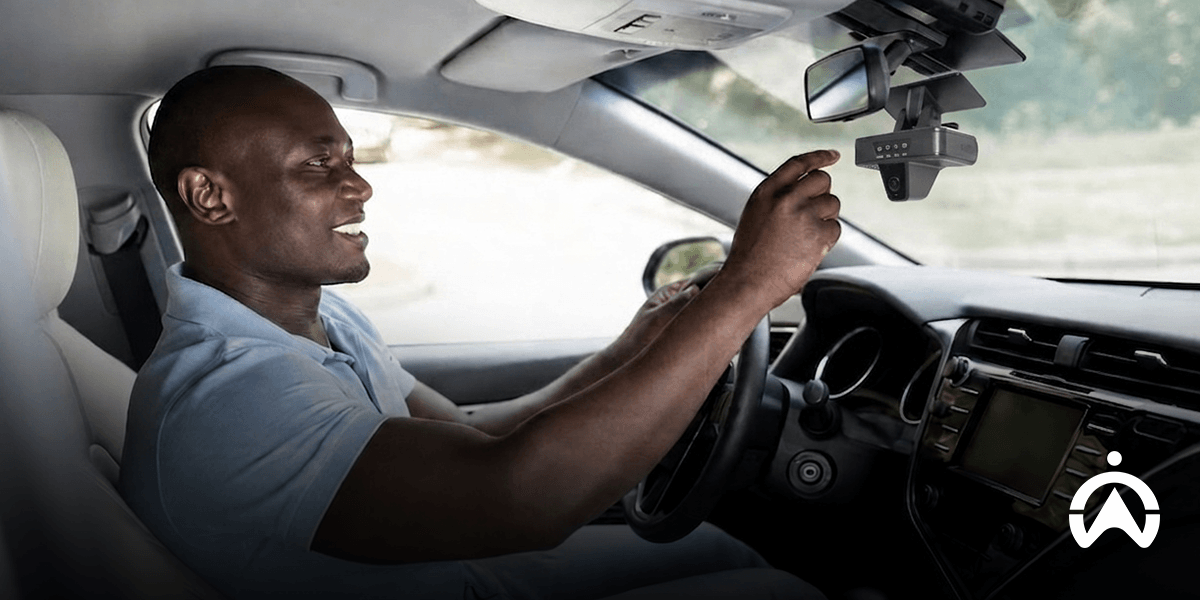
Incorrect camera placement is a common mistake that ultimately renders your dashcam relatively useless. A store-bought dashcam will need to be mounted with wires hanging down to the plug that’s connected to your cigarette lighter.
Definitely NOT ideal!
Problems that stem from mounting your dashcam incorrectly:
Another big mistake is failing to inspect your windscreen beforehand. A crack in the windscreen could distort the footage, and windscreens that are strongly tinted could do the same (although this is less common). Bad footage won’t be useful if you ever need to refer to it for legal or insurance reasons.
Also remember: your car is constantly vibrating. The camera must be securely fixed by a professional, and the wiring should be hardwired to your vehicle in a way where wires are NOT in the way.
As we mentioned earlier, much of the footage of your dashcam is nothing more than boring travel. This is not the purpose of a dashcam, because all of this footage takes up loads of space (or memory).
Many dashcams out there come with SD cards, which is where all this footage gets stored. But these need to be formatted at least once a month. You can pull footage and save it to your laptop if you want, but you’d have to search for it among hours of video you don’t actually need.
Problems that stem from memory mismanagement:
Not managing your footage correctly results in lost footage, corrupted images, and possibly a damaged SD card. The point of your dashcam is ultimately PROTECTION. If you don’t have clear, observable footage, you can’t use it to prove your innocence or the actions of those you encounter on the road.
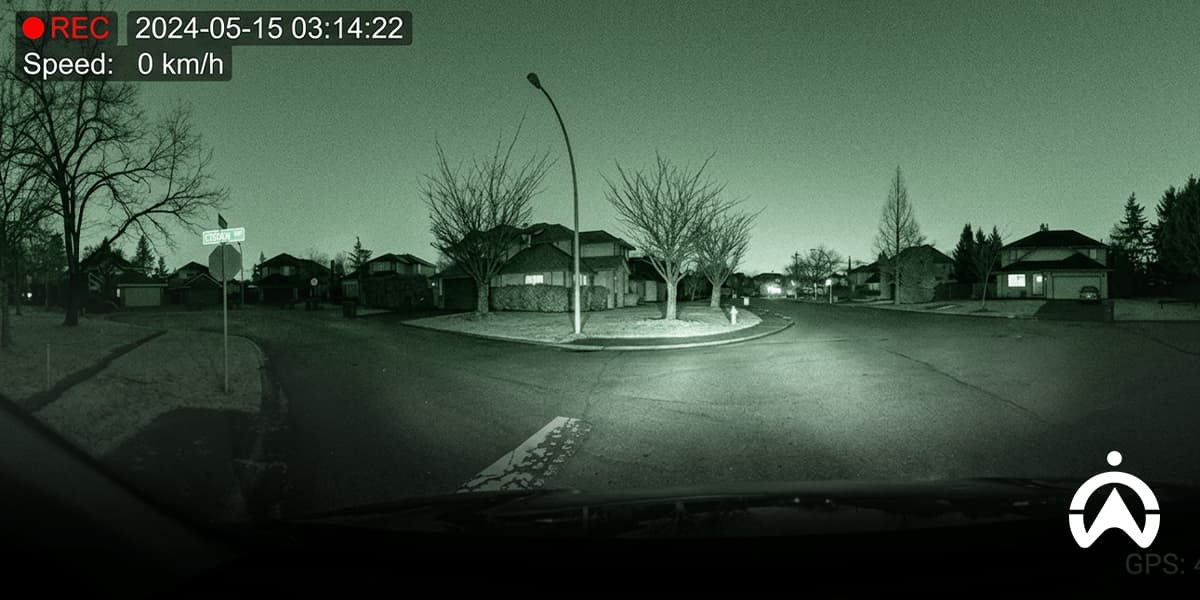
Night vision is a great feature for using your dashcam in limited light. The problem comes in where night vision doesn’t adapt to bright lights and shadows. Night vision causes lights to be blindingly bright, making it impossible to discern shapes, shadows and number plates.
Problems that stem from night vision issues:
You might buy a dashcam because it has night vision (great selling point!), but without wide dynamic range (WDR) technology, the camera won’t adapt to bright lights in real time. This will leave you with indiscernible footage that’s useless for recourse if you experience an event on the road.
It’s not technically illegal to record other people on the road, but once you share images of other people for the purpose of “naming & shaming”, you’re entering into dangerous territory.
The POPI Act (Protection of Personal Information Act) prohibits you from sharing recorded footage (where a private person can be easily identified) on public platforms. This includes number plates, faces, names, and other identifiable factors.
Problems that stem from sharing footage against regulations:
People get into a fair amount of legal trouble by sharing the identities of others online. This can open the floodgates of civil litigation where YOU’RE suddenly the one in the wrong!
Other bystanders who aren’t involved in the incident might also be in the footage. Without their consent, you may not share their faces on social media in South Africa.
Remember: dashcam footage is there to identify someone who did something wrong, but always go to your insurance company first, and then to the police with your evidence. Social media isn’t where private information about other people should be divulged.
Choosing your dashcam from a reputable telematics service provider negates these problems by controlling footage wisely, having the camera installed properly, and guiding you on the correct (and legal) ways to use your footage and camera features. Suppliers like Cartrack approach dashcams from a professional viewpoint, giving you everything you need to stay truly protected on the road.
Here’s how:
Cartrack solves low-quality footage by always mounting your dashcam PROFESSIONALLY. We also inspect your windscreen for you, and wire your dashcam (typically through your cubbyhole) in a way that hides the DVR box and keeps wires out of the way.
Our dashcams give you high-definition footage, making it clear and easy to refer to when you need it for insurance claims or legal defence. The dashcam is mounted securely, so vehicle vibrations won’t affect the integrity of the device or its components.
Data and footage are where Cartrack really shines! Instead of having a massive storage of irrelevant footage, Cartrack only stores video that’s based on an event. Our cameras automatically store this footage for 3 years in case you need to refer to it later.
This policy also solves the privacy problem of sharing footage. We’re bound by the POPIA to only share footage for legal or insurance purposes, keeping you safe from misusing that footage and getting into trouble.
If you need to review event footage, we’ll give you access to it—so you only use data when you actually need it. Our cameras do have SD cards for immediate recording, but you’ll never need to format it to keep it in good condition.
Your Cartrack dashcam will work just as well at night as it does during the day. Our dashcams have WDR technology built in, so it adjusts to lighting and shadows in real time, giving you clear & crisp footage.
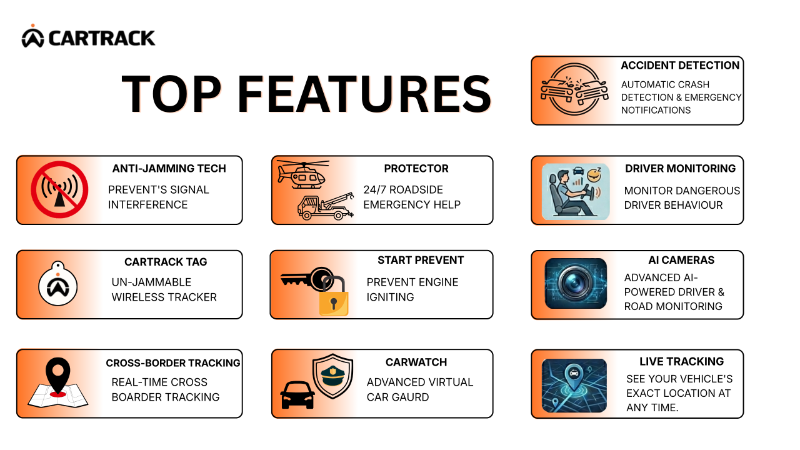
Other features that work WITH your dashcam to give you more safety features include:
Avoid these very nuanced dashcam mistakes and keep clear of all the complications that come with mounting, sharing, and data management. Get your dashcam from Cartrack and let us do all the heavy lifting for you.
We offer our dashcams from R199 per month, and installation is FREE! Get yours by contacting us today.
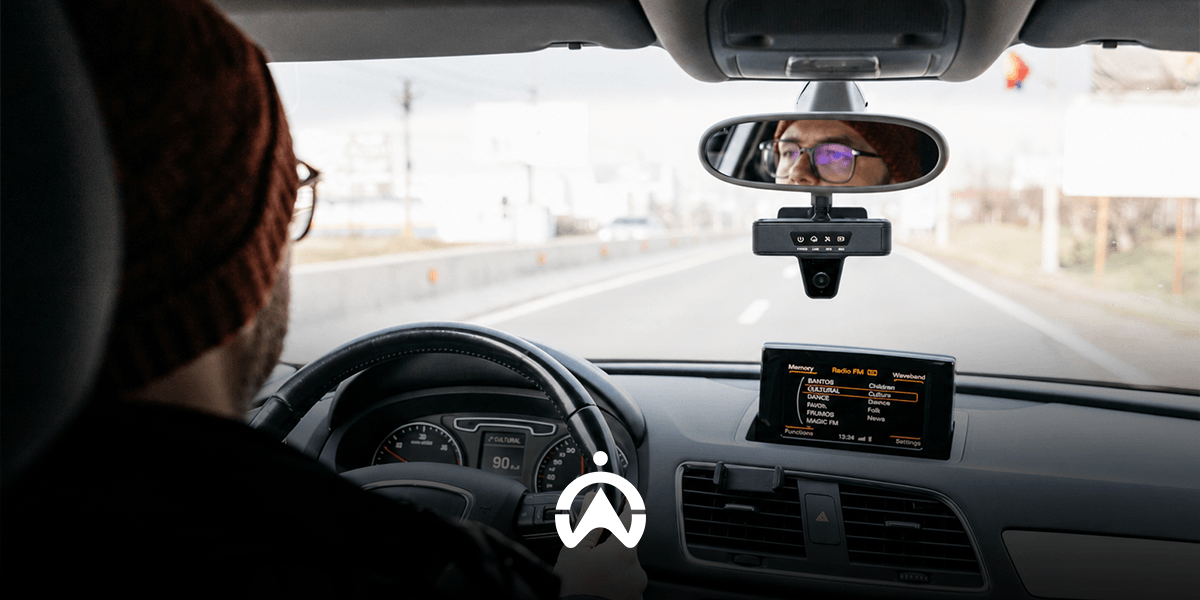
Find out if you’re making one or more of these common dashcam mistakes, and learn which dashcams are best for avoiding these mistakes.