
The global transition to electric vehicle (EV) fleets is accelerating, and in South Africa these futuristic vehicles are gradually making their way onto our roads. The South African EV market is set to experience some thrilling growth in 2026, with major brands introducing new models. According to Mordor Intelligence, the South African EV market is projected to grow to USD 5.77 billion by 2029. That’s a healthy growth rate of 13.04% each year during this period. As the EV market steadily grows in South Africa, you need to know what that means for your fleet business and which technologies will help you maximise on the changes to come. Let’s find out!
South Africa’s EV adoption is growing steadily but remains relatively low compared to the global market. The steady growth comes from the government's interest in technologies that help reduce environmental harm. According to Engineering News, the current EV adoption rate is sitting at 1.9%, mainly in the luxury and high-end segments.
According to a report by the GreenCape 2025 Electric Vehicle Market Intelligence, South Africa is set to have a fleet of 25,456 electric vehicles (EVs) by 2030. This will make up just 0.3% of the total expected passenger vehicles in the country. They predict that introducing mid-range-priced electric vehicles (EVs) will boost the adoption rates between 2026 and 2030.
In the same report, they also state that the electric bus industry is currently the second largest in the South African market for EVs by value, with 66 000 registered buses, bus trains, and minibuses in the country. Based on announcements from bus fleet operators regarding their electric roll-out plans, they expect sales to rise by 420 buses between 2025 and 2030.
As a fleet manager, the key developments and statistics that you should know about include:
Knowing what's currently going on in the market and what to expect will help you make smarter decisions for your fleet and keep you ahead of the curve.
Have a look:
From March 1st 2026, the government will be issuing a 150% tax deduction for EV and hydrogen vehicle production to attract local and international investment. This tax incentive applies to investments in new buildings, equipment, and improvements to existing assets used primarily for EVs and hydro-vehicles.
According to an article by EV Magazine, several Chinese EV manufacturers are already showing interest in South Africa. Reports indicate that at least three of them have signed non-disclosure agreements (NDAs) with Naamsa (National Association of Automobile Manufacturers of South Africa) to look into possible investments. This interest fits perfectly with South Africa's aim to make its mark in the global EV market.
There’s an increase in the availability of light commercial EVs because of the support from government policies and more vehicle manufacturing companies offering these vehicles. For example, in November 2025, Uber launched their electric vehicle product offering called ‘Uber Go Electric’. This service comes at an affordable price, and they’ll have more of these vehicles as the charging infrastructure improves.
As the e-commerce industry continues to excel in South Africa, there’s also an increase in the number of electric bikes available. According to MyBroadband, South African companies like MellowVan are seeing massive demand for the three-wheeled EVs they use for last-mile deliveries.
According to Auto 24, South Africa’s EV charging infrastructure saw a 26.3% annual growth rate, reaching USD 471 million in 2025, and is set for continued growth over the years. There are now over 500 public charging stations, which include both AC (slow) and DC (fast) types.
Public charging stations are still primarily located in major cities like Johannesburg, Cape Town, and Durban. But a notable shift is happening, with a growing focus on off-grid, solar-powered charging stations. There’s also a rise in private depot charging for fleets. For example, Eskom now has a charging station at the Eskom Academy of Learning (EAL) in Midrand for its fleet.
The upfront costs of EVs are still higher than those of petrol or diesel vehicles, but the running costs are significantly lower because of the affordable electricity rates in our country. Another thing that makes EVs cheaper to run is the fact that they consume almost zero electricity at a standstill or in bumper-to-bumper traffic, making them ideal for city driving.
How well your EV fleet performs will depend on proper planning for charging stations, battery health, driver behaviour, and route conditions. In terms of resale value, EV depreciation is still a huge issue in South Africa, but the rates have slightly improved compared to a few years ago. This is because major manufacturers now offer warranties guaranteeing free replacements or repairs if the batteries drop below 80% of their original capacity within eight years or 200 000 km.
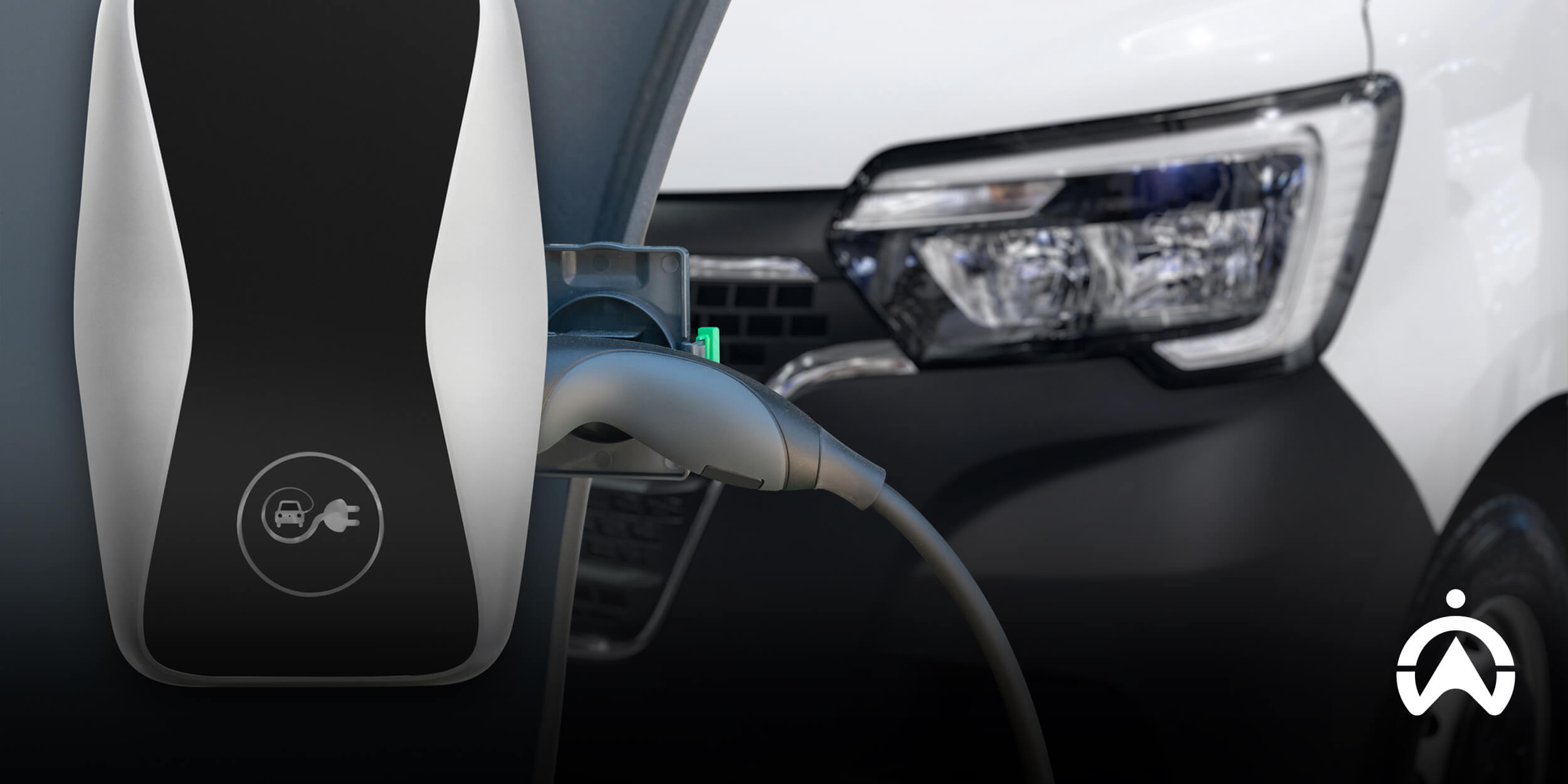
The essential EV management tools and resources that you as a fleet manager need to include are:
Together, these tools and resources help you stay ahead of your competitors through advanced technologies and up-to-date policies.
Here’s how:
Every fleet has its own set of challenges, but a fleet management system is always the best solution. EV-integrated fleet management systems come with solutions like route planning to help to tackle the issue of charging stations. They also help with the real-time monitoring of battery statuses and driver behaviour. Through this technology, your fleet operations will have minimal disruptions.
It’s also important that you keep in touch with industry bodies and associates that support fleet managers and the transport sector like GreenCape or Naamsa. This is because they’ll give you guidance, research, and best practices for running an EV fleet. You’ll stay informed about any policy changes so your fleet remains compliant, and you’ll stay in the loop about any emerging trends.
You should also work closely with charging network providers to get easier access to public and private charging stations. Partnering with them ensures reliability, proper route planning, and helps you manage costs better.
The top Cartrack features that support your EV transition are:
Together, these solutions give you more control over your fleet, helping you run your EVs more efficiently.
Here’s a breakdown of how they work:
With our GPS tracking system, you’ll always know where each of your vehicles is to ensure they’re operating in the right areas and that drivers are being productive. For example, if one of your vehicles has been stationary for too long, it might indicate that there’s a battery issue, which you can attend to as soon as you notice. GPS trackers also ensure the safety of your EVs, safeguarding them from theft.
With our system, you can create virtual borders around certain roads or areas to ensure that your EVs move within the areas that have enough charging stations. This is what we call geofencing. If a driver goes out of the geofenced area, you’ll receive an immediate alert, so you can quickly call and find out why.
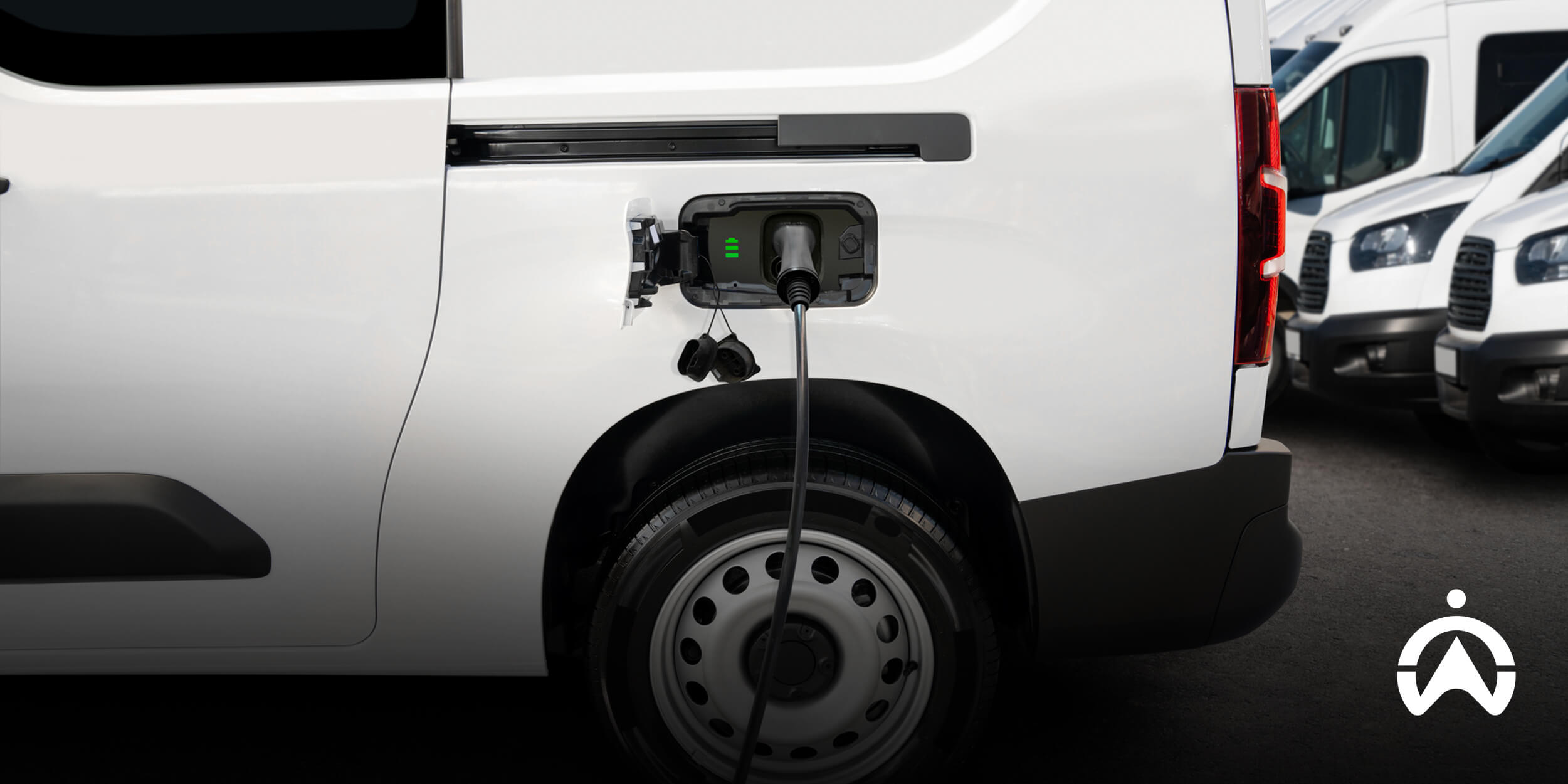
Our route optimisation software helps you properly plan daily routes to manage range anxiety. The software factors in things like historical traffic patterns, weather conditions, and the vehicle’s battery levels. Through this software, you’ll plan better routes around charging stations, ensuring stress-free operations.
You need to see how your drivers handle your EV daily. For that, we have a telematics device that will give you insight into how your drivers behave on the road. You’ll get reports on things like speeding and harsh acceleration, as these behaviours can drain the battery faster.
It’s also important that you train your drivers on how the EV driving dynamics differ from those of traditional training. By identifying driver patterns, you can see which drivers need support or coaching, and to make things easier for you, we have a driver coaching feature on our platform.
With this, you’ll get the exact number of repeated incidents for each driver, and you’ll see what was discussed during each coaching session.
EV maintenance costs are significantly lower than those of traditional vehicles because there are fewer parts to replace and they don’t require things like oil changes. A fleet management system gives you more maintenance savings through preventative measures like scheduled reminders for things like battery replacements. This way, you’ll have less downtime and make more profit.
We at Cartrack specialise in everything fleet management. Whether you have a fully electric fleet or one that’s mixed, you can rely on us to give you the best solutions for managing your fleet. The world is going greener as the years go by and we’re always up-to-date with the kind of software you need to stay ahead of the game. So contact us today, and see how we’ll transform your EV fleet operations!
Get the latest news about growing EV adoption in South Africa. Learn about more affordable models, better charging, and tools to help fleets run efficiently.