
The biggest nightmare for any cold chain manager or driver is opening a reefer door and being hit with warm air, knowing that thousands of rands' worth of goods have been compromised and are now unsellable. Having your cold chain compressor fail is a real risk with an expensive outcome.
According to the Food and Agriculture Organization of the United Nations (FAO), “an estimated 14 per cent of all food produced for human consumption is lost before it reaches the consumer. The lack of an effective cold chain to maintain the quality, nutritional value and safety of food is one of the major contributors to food loss.”
And this worry isn’t just for those transporting food products; it’s a major worry for those transporting dangerous goods and medical supplies that need to be temperature-regulated. This is why investing in Cartrack’s temperature monitoring software is a must for all cold chain fleets.
There are a few signs you’d notice before a cold chain compressor fails, and there are also some major signs that your compressor has failed. The most common sign that it’s failing is that your compressor is struggling to maintain the set temperature.
There are other signs such as a metal-knocking sound or a really loud humming noise when the unit is on. Sometimes there’ll be oil or water leaks around the unit, or you’ll notice more frost build-up.
However, if your unit has already failed, you’ll notice the following when you open the door of your cargo:
Compressors will usually fail due to age or lack of maintenance. If they’re not lubricated enough, it can cause the compressor to wear out and fail, and if the coils inside the compressor are dirty or damaged, it can overheat and need replacing.
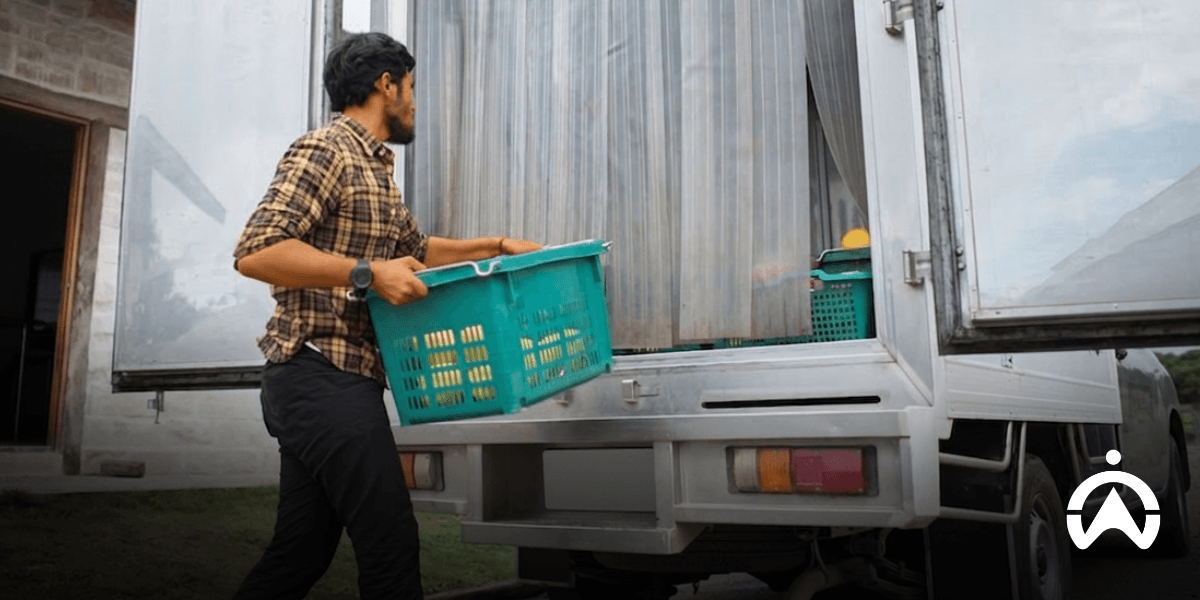
Trucks designed to carry temperature-regulated goods are usually built to keep the cold air locked in. But if your reefer compressor fails, this won’t always work the way you hope. Some goods can be fine for a while if the temperature heats up, but for pharmaceuticals and other precarious goods it can't.
A few degrees can be disastrous.
Let’s take a look at what temperature different goods have to be maintained at before they become compromised.
Fresh produce refers to meats, vegetables, and fruits that haven’t been processed. These need to be kept at a certain temperature because even a small fluctuation can cause bacteria to grow and the produce to spoil.
Frozen goods need to be stored below the actual freezing point so they can maintain their vitamin content, flavour, colour, structure and texture. On top of that, when something is frozen, thawed and refrozen, it can breed bacteria, spoiling the goods and making them dangerous for consumption.
A lot of medical goods, especially biological therapeutics, must adhere to very strict temperature control during transportation. This is because any changes in temperature can physically compromise medication, change their potency, make them completely unusable, and cause them to become toxic and unsafe.
Certain hazardous materials have incredibly strict regulations on the temperatures they need to be transported in. If they’re not at the right temperature, they can become explosive or release toxic gases.
Businesses must follow a specific metric to ensure they transport these goods safely. The Self-Accelerating Decomposition Temperature (SADT). This is the lowest possible temperature at which a hazmat in its shipping packaging triggers an irreversible, heat-producing reaction that can result in an explosion or a fire.
There are other goods that need to be temperature-regulated when transported, as it can affect their lifespan and quality.
The traditional way of manually checking the temperature in your reefers isn't going to cut it. They just can't provide you with the complete security and peace of mind technology can. When you have your drivers or other employees going to check the reefers every two hours or so, a lot can go wrong.
How do you know when one of your cold chain compressors has stopped working at 3 a.m or while a driver is stuck in bumper-to-bumper traffic, delaying his delivery for a few hours? These are the types of problems that can easily arise, and you likely wouldn’t be able to handle the situation until it’s too late.
Sometimes when your cold chain compressor fails, it creates pockets of warm air in certain spots, so only some of the goods are affected. And if it stops working and starts up again after a few hours, manual checks won’t help you because when you eventually do check, the reefer is at the right temperature.
This is why manual checks just aren’t enough. They’re important to still do, but for your cold chain fleet, you need something that keeps you informed 24/7.
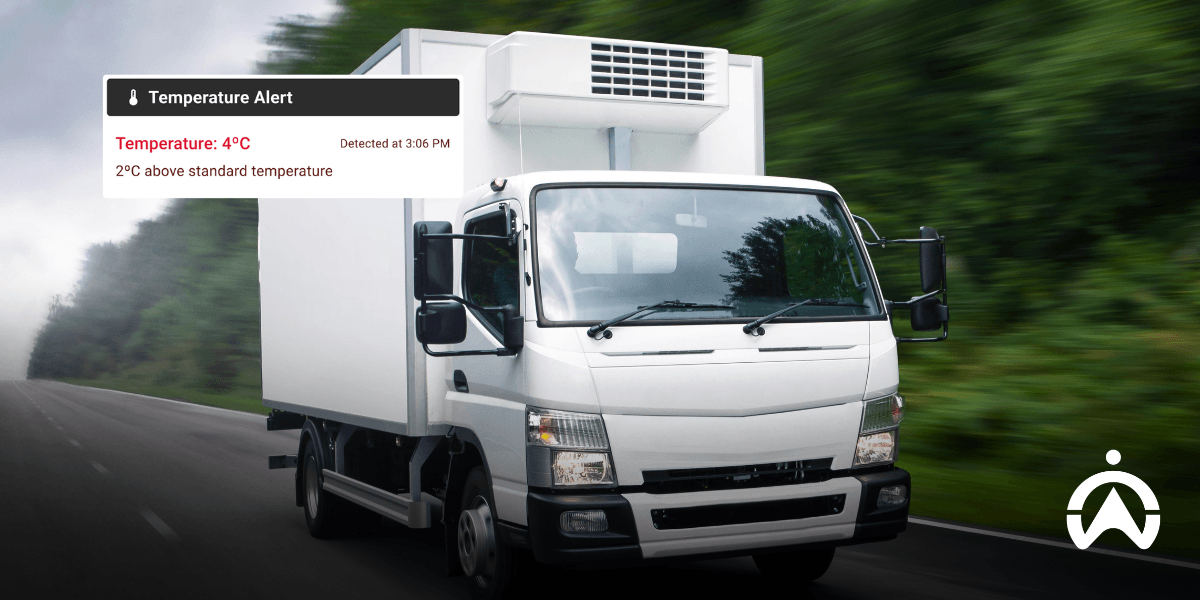
So, if you want to know how you can stay informed on any cold chain compressor failure and protect your business from losing or damaging stock, you need to invest in cold chain temperature monitoring. This is done through a mix of telematics and IoT.
Cartrack has a temperature-monitoring system that we install inside your reefer. This device constantly monitors the temperature of your unit. It’ll send you an immediate alert if the temperature inside the reefer is rising above the required climate conditions.
Let’s put this in motion. Let’s say you have a truck that has to travel overnight to its delivery destination and it’s carrying fresh flowers that have been imported for a wedding. If the temperature rises in the reefer, these flowers will wilt.
Your driver believed everything was fine because he did his pre-inspection, but unfortunately your cold chain compressor failed en route, and he had no idea. Once he arrived that morning at the venue, where it was 28°C outside, he opened the doors only to find a bunch of dying flowers.
Now, let’s say you invested in a Cartrack temperature-monitoring system. At 11:26pm the temperature in the reefer rose above acceptable levels; you immediately received an alert from us. You were then able to call your driver, who was able to pull over and restart the cold chain compressor. At 7am he arrived at the venue with fresh flowers and happy customers.
Tracking your fleet is vital for preventing cold chain compressor failure. Let’s say you have a truck carrying urgent pharmaceutical goods that are temperature-sensitive. Now, your truck has broken down en route, and you need to send a new truck to pick up the goods and continue the journey.
Without telematics and accurate GPS tracking, locating the truck would be incredibly challenging. But you’ve invested in Cartrack’s telematics system, so you can:
Route optimisation is an important tool when transporting temperature-regulated goods, particularly if it’s overnight. You need your driver to be able to get to their destination as quickly as possible, especially if the cold chain compressor breaks en route.
Advanced route optimisation uses AI insights and GPS to provide your driver with the best possible route to get them to their required destination as quickly as possible.
Not only can your cold chain compressor break down, but your trucks can too. And if your trucks are travelling overnight and they break down, your cold chain compressor stops working too. This is why it’s incredibly important to keep your vehicles well maintained at all times.
Cartrack’s telematics will provide you with predictive maintenance alerts that will let you know when a part needs to be repaired or replaced and even when fluids need to be topped up. These alerts allow you to make sure your cold chain fleet is always in tip-top shape, so you don’t have to worry about any of them breaking down unexpectedly.
If and when your cold chain compressor fails, it doesn’t have to be a complete and utter disaster. With the right technology, like temperature monitors from Cartrack, you can keep your temperature-sensitive goods cool and safe. And on top of that, you’ll have peace of mind knowing you're always delivering goods in the right condition!

Don't wait for a morning nightmare of ruined cargo. Learn how to spot cold chain compressor failure early and protect your fleet with Cartrack.