As an NGO fleet manager, you must be able to justify things like who drove which vehicle and why the fuel costs were high. How do you track that when most processes are done manually? Receipts get lost; spreadsheets have errors. A lot could go wrong, and going through a pile of paperwork isn’t ideal.
Implementing a digital fleet management system solves the core operational challenges of remote NGO fleets by providing:
Asset & Driver Security: Real-time location tracking, geofencing, and panic alerts in high-risk zones.
In today’s article, we discuss in detail why fleet management for NGO operations requires the same technology as commercial fleets, especially when operating in remote areas.
According to research, supply chain logistics accounts for a significant amount of total expenditure for humanitarian intervention. This includes things like transportation, warehousing and inventory management. It requires careful planning to ensure goods are stored and transported as efficiently as possible.
Transportation is at the forefront of all NGO operations because without it, how else will the products get to those who need them? It’s estimated that the global humanitarian fleets exceed 100 000 vehicles, with an annual spend of about $1 billion, making it the second-largest expense in humanitarian operations.
This is why fleet management is such an important factor in the humanitarian sector. But with that comes many other responsibilities, like planning routes and ensuring goods are secure and transported as efficiently as possible. The donors want to know how you spent the money, and you must account for every cent.
NGO fleets that operate in remote areas face similar challenges as commercial fleets, with common issues being:
So much can go wrong during a trip; fuel receipts go missing, food spoils before getting to the destination sometimes, and drivers can get lost.
Here’s what we mean:
Drivers often have issues navigating their way to their destinations because of things like poor road infrastructure, customs delays, ongoing political conflicts, and inadequate long-distance route planning.
This adds to the time spent on the road, which increases fuel and all other travel expenses. Donors require all this information to be traceable, so they can see if the budget is enough, but without the right technology, it’s difficult.
Due to network issues, fleet managers often lose sight of their vehicles once they reach the field. They have no idea how the vehicles are being used and no oversight into most of what happens. This creates the opportunity for vehicle overuse and a lot of trips that aren’t recorded.

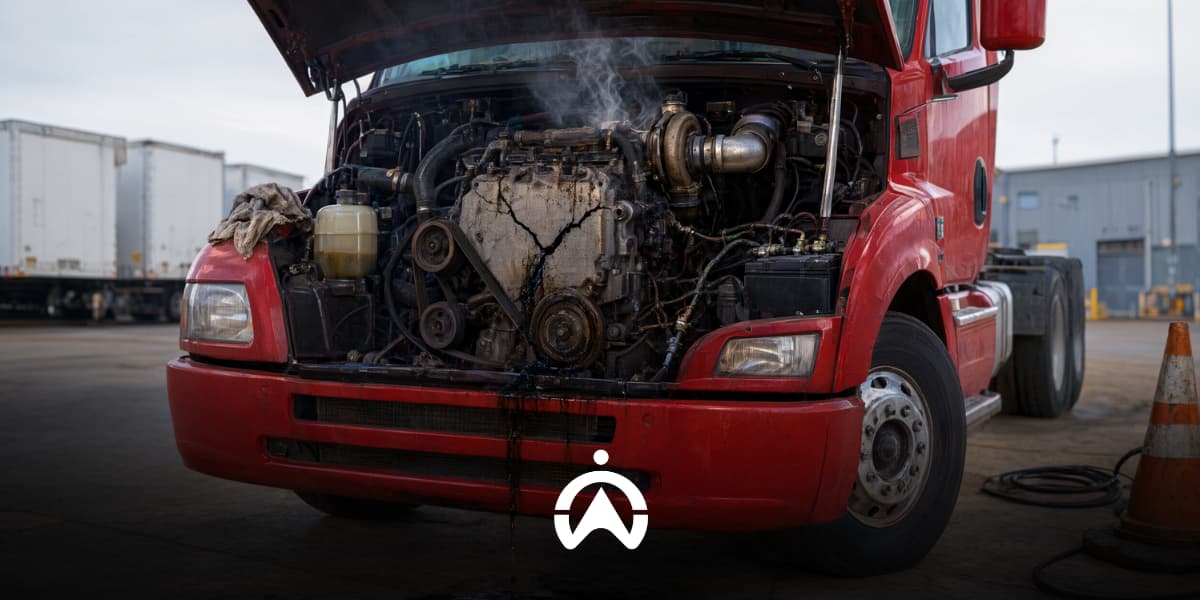
Drivers often skip vehicle service dates because of how far they are from proper infrastructure. This leads to breakdowns and prolonged downtime. There aren’t usually any qualified mechanics around the areas, and spare parts are difficult to outsource, making repairs more costly.
Another major issue with humanitarian fleet operations is the cost of fuel. Every drop of fuel must be accounted for, but when everything is done manually, this becomes a difficult task. Fuel receipts get lost, and there’s no way to prove that the fuel was indeed used for operations. In some remote areas, drivers sometimes have to buy fuel through a middleman who sells it at a much higher price because the fuel stations are too far.
There’s also the risk of the theft of vehicles, cargo, and assets like generators and mobile toilets. Drivers' lives are also at risk, as they might get caught in the crossfire while trying to bring aid to areas where political conflict is still ongoing.
Furthermore, those delivering fragile goods such as food and pharmaceuticals face the risk of product spoilage, which defeats the main purpose of providing aid to those who need it.
The lack of visibility also brings about the issue of poor driver behaviour. Drivers often take advantage of this situation and use vehicles for personal trips. Some also drive aggressively while doing so. This increases fuel costs and vehicle wear & tear.
Using a fleet management system for your vehicle operations helps you keep a digital record of what donors may request during audits, like trip information from logbooks. When there’s little or no network connectivity, a fleet management system collects and stores vital data such as locations, driving habits, and mileage. Once the vehicle is back online, you’ll see everything that happened from your office.
There are also non-powered asset trackers that help you locate other things like trailers, mobile storage units and water tankers.
Donors require various documents that serve as proof that their funds aren’t being mismanaged. Common records that most NGOs like UNICEF require include:
Without credible evidence of these, your donors may demand their money back or refuse to work with your organisation on future projects. This will also damage the reputation of your organisation, making other donors lose trust as well.
Over the years, we’ve worked with various NGO fleets and developed an understanding of what’s required for smoother operations. We’ve got solutions that perfectly cover what donors need, and we help you properly allocate costs to grants and programmes.
Here’s how:
Wherever there are issues of connectivity, our vehicle GPS tracking system continues to record up to 5,000 data points like timestamps, locations, direction, and speed. Once the vehicles travel back to areas with good network coverage, you’ll see all that drives got up to. This helps you prove to donors that the drivers have indeed gone to the areas where people need aid.
To prevent your drivers from going out of their designated zones for side quests, you can create geofences. These are virtual borders that you sketch on a map around the places your drivers cover. You’ll get alerts wherever they enter or exit those borders. If there are too many entries and exits, you’ll know that drivers are using the vehicles for personal trips.
To track other equipment or machinery such as generators, you can use our asset tracker, which we call the Cartrack Tag. This is a tracking device that doesn’t rely on a GPS connection and therefore isn’t affected by low reception. You’ll see where all your assets are, helping you with the asset inventory evidence that sponsors require.
Poor driving habits like harsh accelerating and speeding increase fuel consumption and vehicle wear & tear. They also place drivers at a risk of causing accidents. To monitor such behaviour, our GPS tracking system gives you telematics reports of aggressive driving habits. This way, you can identify common patterns and address your concerns with drivers.
To help you account for everyday operational expenses like fuel, toll fees, repairs, and insurance, we’ve got a cost management system called MiFleet. With this feature you can import expense-related documents to get an overview of costs. This reduces manual administration and gives you a credible digital record of expenses for auditing purposes.
MiFleet is also crucial for effective fuel management. It monitors the distances vehicles travel, the real-time in-tank litres, and the receipts to determine if the transactions are valid. This helps you pick up signs of fuel theft and fraud so you can conduct investigations.
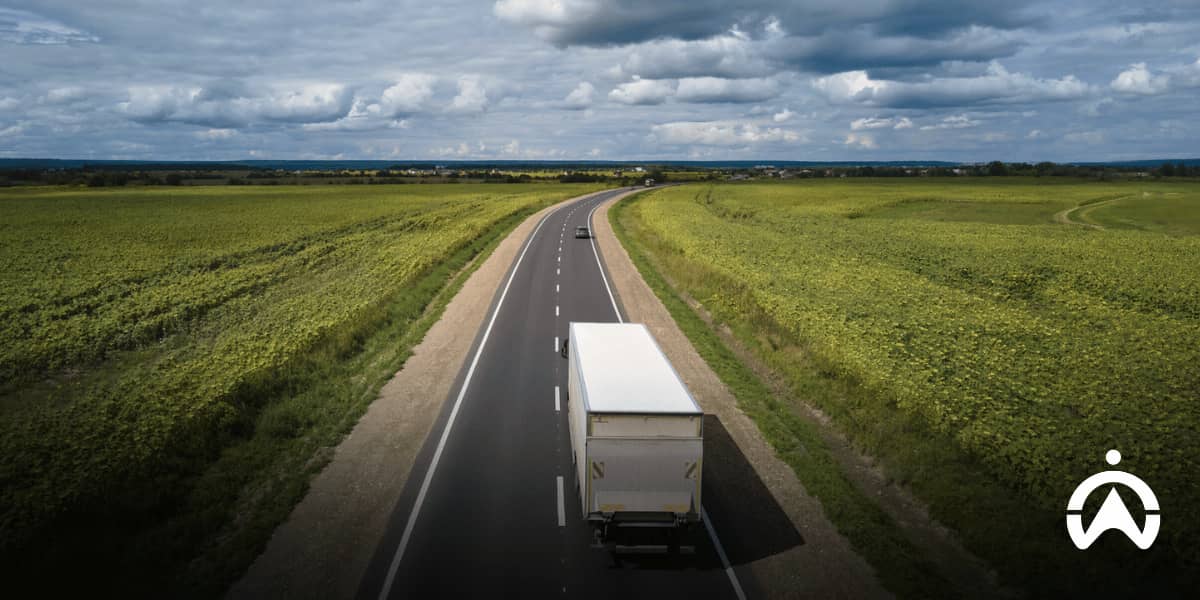
Effective humanitarian logistics require careful planning of routes. For that, we’ve got route optimisation software. This technology factors in things like road conditions to give you the best routes for drivers to take. In instances of low coverage, drivers can download the routes in advance and make their way. This ensures they encounter fewer issues on the road and get the most fuel-efficient routes, saving the organisation some costs.
One of the issues discussed in the recent Global Fleet Summit is the emission of greenhouse gases (GHGs) by the NGO sector. It’s said that transportation contributes to 15% of greenhouse gases. For this reason, your fleet’s carbon emissions also form part of the things donors look out for.
To help you with this, our fleet management system monitors fuel consumption levels for each vehicle per trip to determine your fleet’s carbon emissions. This gives you more accurate CO₂ reporting so you can see how well your fleet is doing and once again, have a record for donors.
Whether your organisation delivers food, transports doctors, or supplies pharmaceuticals to emergency areas, we’ve got solutions that’ll assist in doing it efficiently. Reach out to us and within a few weeks, you’ll see the difference our technology will bring to your NGO fleet operations.
Find out how a fleet management system can help you with donor reporting, reducing fuel consumption, maintaining your fleet, and improving vehicle security.