
Buying or selling a car isn’t a simple thing, but there are some tips to make it insanely easy! When buying a car, you should think about your lifestyle and finances. When you’re selling, you need to keep in mind that the South African car market has many options, which is why it’s important to do your homework beforehand!
Here’s one statistic that may put things into perspective: In 2024, South Africans bought 358,431 used passenger cars—that’s nearly 30,000 per month. That means there are great deals out there, but lots of competition too, and plenty of chances of being caught off guard if you don't do any research.
This guide will cover everything you need to know about buying or selling a car. We’ll dive into market trends, safety checks, paperwork, pricing, negotiation tips, and how Cartrack can make your journey safer and smarter.
We’ve put together some insane tips to help you, whether you are buying a car or selling one. Things like setting your budget to what paperwork is needed—our tips have you covered from the start of the process all the way to the end of your buying or selling journey.
The South African car market is buzzing with demand for affordable, pre-owned vehicles, largely thanks to rising living costs and high interest rates. More people are opting for used cars rather than new ones, meaning this market is super active and very competitive.
The second-hand car market is surpassing new car sales in South Africa. Many buyers are opting for older models with low mileage in order to avoid high monthly repayments compared to new models. Economic pressure and the uncertainty of the petrol price are pushing consumers toward practical, reliable used vehicles, especially bakkies and compact hatchbacks.
The most in-demand used cars in South Africa are the vehicles that have a strong resale value, with low maintenance costs and long-term durability. Making them a favourite of both private buyers and business owners alike.
In 2025, the average price for a used car sits at around R415,983. Buyers are on the lookout for cars with decent mileage and a full service history for better long-term value. Sellers who provide service records, tracking, and maintenance proof often score higher selling prices.
A busy market means more choice but also more risk. To make a confident buying or selling decision, it's essential to understand vehicle history, pricing trends, mileage accuracy, and safety features.
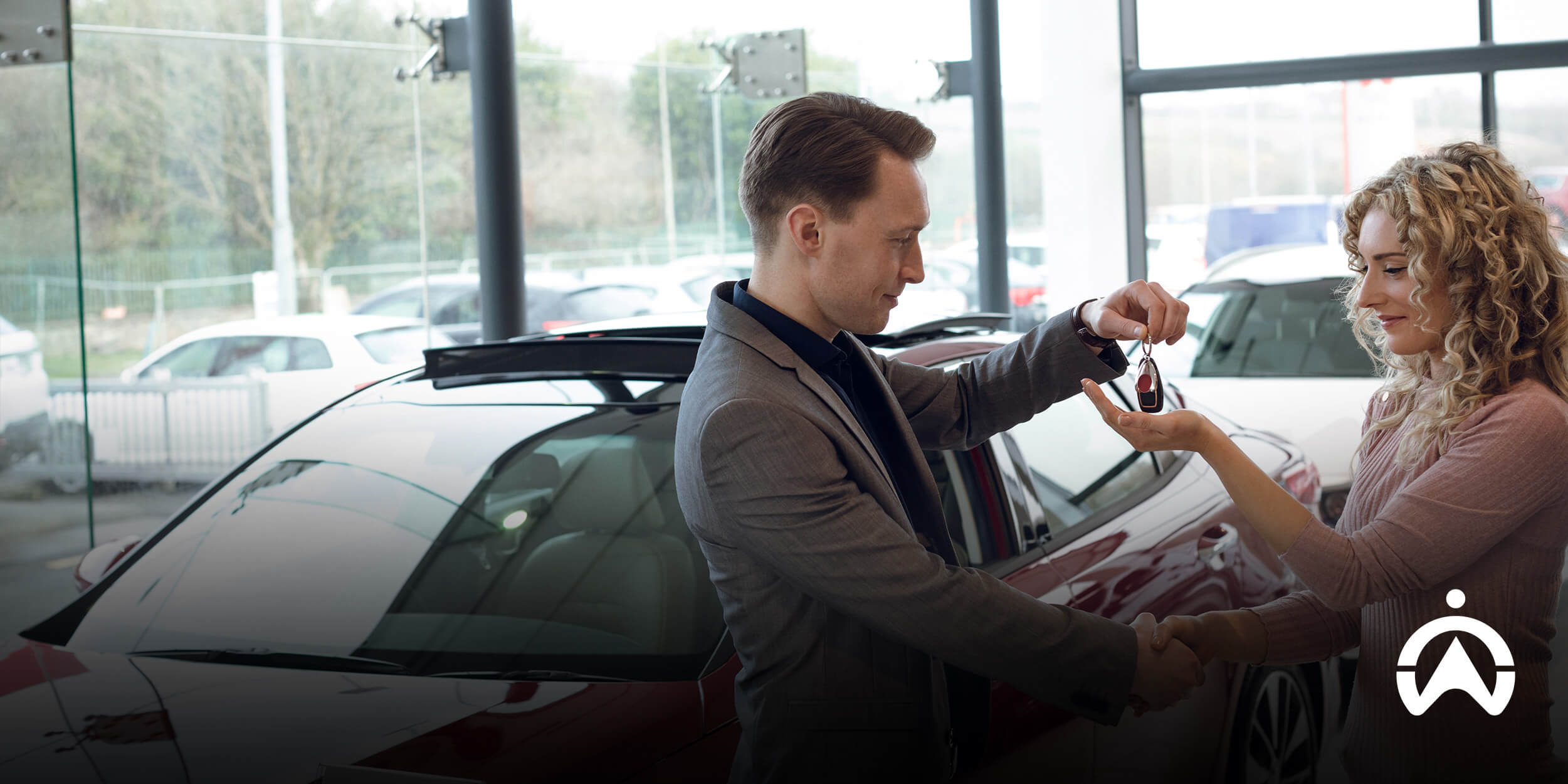
The key factors when buying a car are your budget, the vehicle’s history, test driving, finance options and security and insurance. So, before you start strolling the showroom floor, make sure you’re aware of all the key factors that play a crucial role when you buy a car.
The most important factor you need to consider before buying a car is your budget—and not just how much the car will cost upfront or per month, but the total cost of owning a vehicle. Things like insurance, tracking devices, maintenance, fuel, and licence fees are all crucial ongoing costs you need to consider.
Before buying a second-hand car, make sure you conduct a thorough vehicle history check. Knowing the car's past and how it was cared for is crucial. A history check reveals important issues, such as accident damage, outstanding finance, mileage tampering, or even if the car was stolen.
Whether you're buying a new car or a second-hand one, it's important for you to do a thorough inspection of the vehicle and take it for a test drive.
You should inspect the following:
When you take the car for a test drive, pay attention to:
Paying cash is great if it makes financial sense, but vehicle finance can boost your credit score. Just keep an eye on the interest rate, balloon payments, and term length, and make sure the monthly instalment comfortably fits your budget.
It doesn’t matter if you’re getting a secondhand car or a new one—you need to protect your newly acquired asset. You can do this by getting insurance for your new ride and installing a GPS tracking device from a trusted and reliable company like Cartrack.
Even with comprehensive vehicle insurance, many insurers require a tracking device for high-risk models. Installing a Cartrack tracking device may even help lower your premiums or improve your chances of approval for insurance coverage.
The key factors when selling a car are prepping, marketing, and negotiating. Selling your car isn’t as simple as taking a picture of it and placing the ad up on your chosen platform—there are specific steps you need to take to make the process easy and safe and ensure you get the best price for your car.
Before selling your car, you need to prep it to be sold at the best price. Do the following to prep:
You need to do some research on similar cars that match your vehicle’s year, make, mileage, and condition. This gives you a clear picture of what real buyers are ready to pay.
Promote your car by highlighting all the key selling points, like a full service history, new tyres, low mileage, an installed tracker, recent maintenance, and being a one-owner vehicle. A straightforward and honest ad draws in better buyers. You also need to decide where you're going to list your vehicle, such as on online marketplaces, on social media or simply just by word-of-mouth.
Always meet in public places. Before a test drive, check the buyer's driver's licence and ensure they have insurance. Don’t hand over the keys until payment has cleared.
When finalising the sale, gather a roadworthy certificate, transfer-of-ownership paperwork, and proof of sale. If your car has a tracking device, notify your provider (like Cartrack) to transfer or safely remove it.
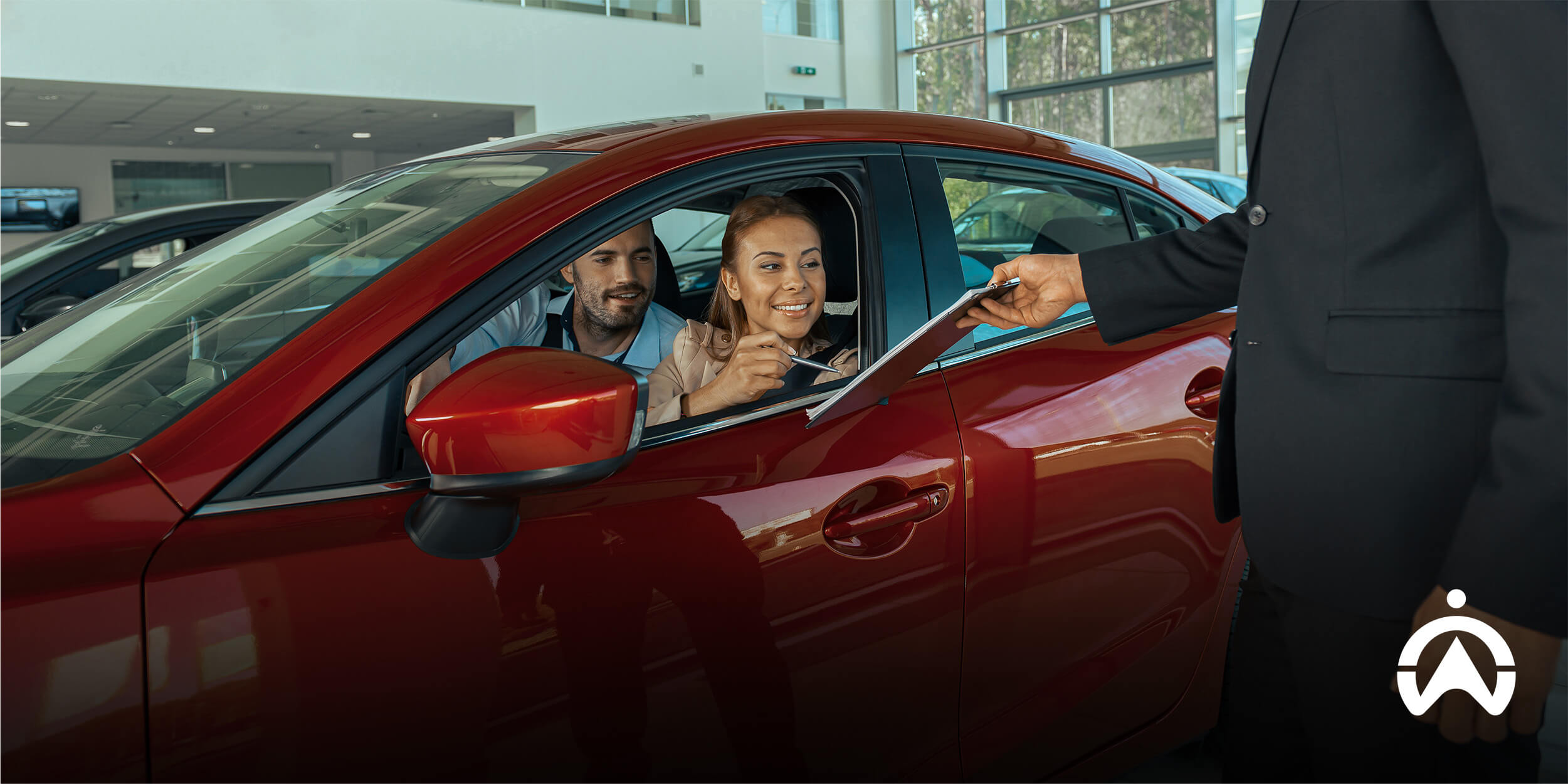
With Carzuka no longer in operation, that online marketplace for finding vehicles is no longer available to buyers. However, once you’ve bought a car—especially in South Africa—protection immediately becomes priority number one. That’s where Cartrack steps in: not as a buying or selling platform, but as a vehicle security partner to help keep your investment safe from day one.
Once the keys are in your hand, one of the most important add-ons you can invest in is a tracking device. With Cartrack, your vehicle is monitored 24/7, which helps protect against hijacking, theft, and unauthorised use—a major concern in South Africa.
Cartrack doesn’t help you source buyers or negotiate prices. What it does offer is real-time tracking of your vehicle, recovery of stolen vehicles, driver behaviour alerts, and remote immobilisation that give owners peace of mind post-purchase.
Buying or selling a car requires you to make a lot of decisions, but its protection isn’t up for debate. Whether you drive it daily, use it for business, or even hand it over to a family member, Cartrack helps protect what you worked hard to buy.
Buying or selling a car in South Africa? Get smart tips, risk checks, pricing advice, and learn how Cartrack helps protect and prove your vehicle’s value.
.jpg)
.jpg)
.jpg)