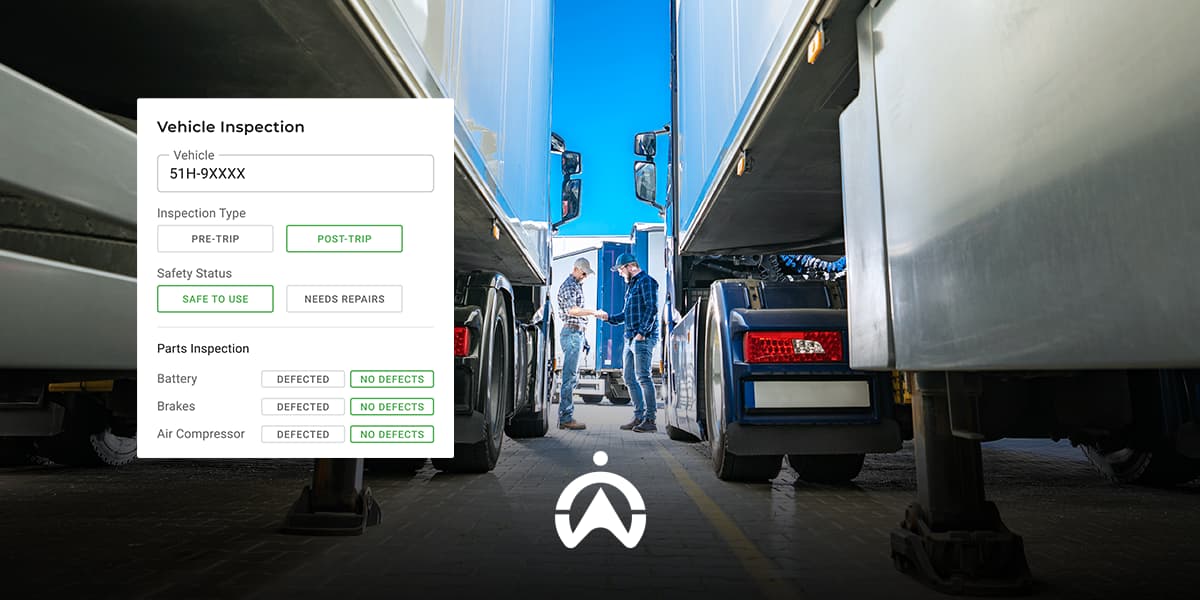
Is your fleet proactive or reactive? And what's the actual difference between them? This FAQ is here to answer all your questions on proactive vs. reactive safety practices in your fleet, how it can keep your drivers safe and how it affects your operations and your bottomline.
Reactive safety is what you do after an accident or breakdown happens. Proactive safety makes sure that these incidents don’t happen at all. Proactive safety uses data and technology to try to keep your fleet ahead of unexpected breakdowns and potential accidents.
The most important piece of a fleet safety programme is the culture in your team with regard to safety. You could have the highest tech available, but if your drivers don’t understand why safety matters, all the tools in the world won’t reach their full potential.
To get your team of drivers to be more proactive, try gamification. Things like driver scorecards can turn being safe on the road into a friendly competition between colleagues. On top of this, you can implement incentives like bonuses for getting a high safety score, and pretty soon, your drivers will be self-correcting.
At Cartrack, we use AI-powered telematics and live camera feeds to act as a digital co-pilot. Our systems are advanced enough to detect distracted driving, like dozing off or using a phone, and then immediately alert the drivers to their errors. For fleet managers, you’ll receive reports so you’ll be able to coach your drivers!
If you want to see how you’ve improved in fleet safety, you should measure these KPIs:
You should look at the expense of the hardware to make your fleet more proactive as an investment rather than a liability. So yes, you’ll be spending a significant amount on the software for your entire fleet, but the ROI from having it more than makes up for it.
Cartrack’s system will provide you with driver reports to make your job easier. So when you get the report, and you see that a specific driver constantly has harsh braking events, you’ll be able to coach them constructively on how to have better driving habits.
Most reputable providers understand that you’ll want to see how proactive safety software works. While it varies by contract, at Cartrack, we offer demonstrations and a 14-day trial period so you can see the real-world impact on a small section of your fleet before rolling it out completely.
No, it shouldn’t. When you make use of a professional installation (like the one we provide for free at Cartrack), it shouldn’t interfere with your vehicle’s warranty at all. That’s because we use non-invasive methods to install the hardware that don’t mess with your vehicle’s electronics.
This is where AI comes into play. Modern smart systems are able to detect an emergency brake from a reckless one. And to help you out even more, you can access the video footage to see the context of the alerts and make sure your drivers don’t get penalised unfairly.
Yes, compliance with the POPI Act is extremely important. The data that’s provided from our tech is encrypted, and the main focus of this data is driving performance and road safety rather than “spying” on your drivers.
Yes, definitely! It doesn’t matter if you have 15 bakkies doing daily deliveries or heavy-duty 18-wheelers. At Cartrack our hardware and software works for all types of fleets. And the best part is that it all works on one single platform!