Fuel is one of the biggest expenses fleets have. And thanks to the current political climate the world is in, the price of diesel has hit a record high. So, it's only natural that everyone is looking at new ways to save. One of the methods fleet owners are now looking at is ECU (Electronic Control Unit) tuning.
According to a study done by Javad Heydari, “Diesel engines, in particular, benefit from economy maps, often achieving a 5–10% reduction in fuel consumption.” This is quite a huge saving for any fleet. But before you start searching for your nearest vehicle tuning specialist, you need to know what the other pros and cons are, as well as other methods to save fuel.
Did you know: One of the best and simplest methods of saving even more on fuel is through driver behaviour?
Keep reading because the team at Cartrack are exploring ECU tuning, driver behaviour and telematics!
Did you know that your car has more potential than it currently delivers? Manufacturers program all of their vehicles to operate at a certain spec, but are you aware that it’s possible for you to unlock all of this hidden potential? That’s where ECU tuning comes in.
The ECU is basically the brain of your vehicle; it controls everything from your ignition timing to your fuel mixing. This ultimately governs the performance of your vehicle.
Most petrol heads want more out of their vehicles, so they’ll get their ECU tuned so their vehicles can reach top speeds and have a faster takeoff & better fuel efficiency.
But what’s an alternative option to save on fuel?
Did you know that the best way to achieve fuel savings is through improved driver behaviour? It doesn’t matter what you attach to your vehicle or what alterations you make to the engine or software. If you have a heavy-footed driver who loves to speed and take corners like a NASCAR driver, your vehicles are going to burn through fuel no matter what.
As a fleet manager, the best thing you can do to ensure you’re saving fuel is through driver behaviour monitoring and training. So, how do you achieve this?
The best thing about training your drivers to drive better on the roads is that it lowers your chance of an accident, it reduces the wear & tear of your vehicles, and it’s long-lasting. It’s more realistic for you to save fuel through driver coaching than it is through remapping your vehicle.
Still curious about ECU tuning?
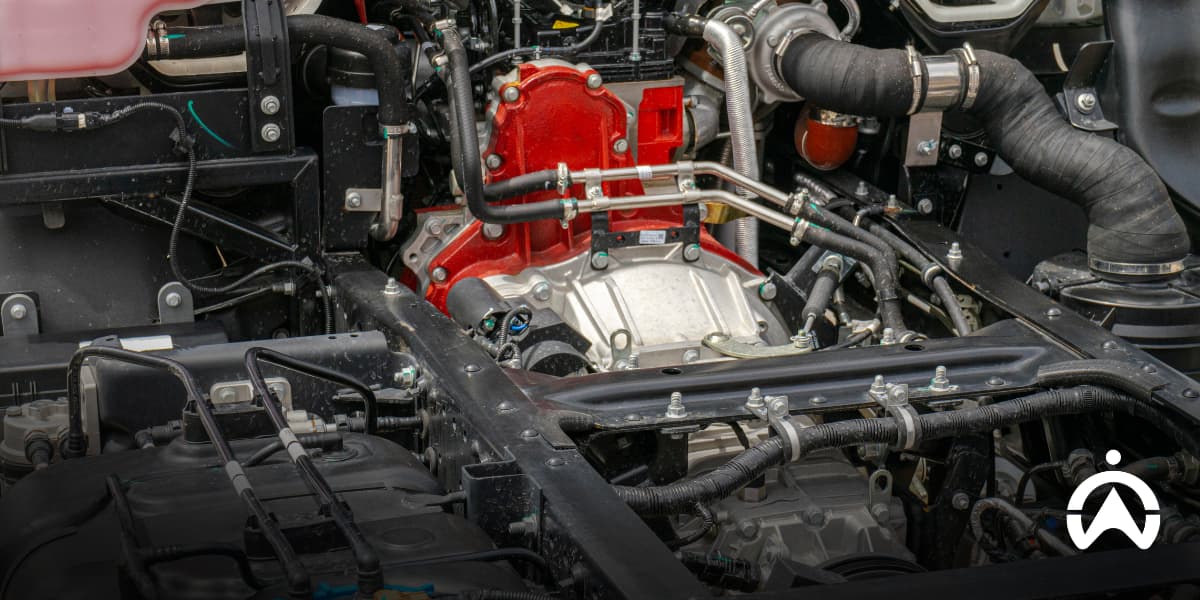
ECU tuning improves your fleet by optimising the following engine specifications: air-fuel ratio, boost pressure, and ignition timing. Now, unlike the petrol heads who are tuning for speed, businesses are doing this to save money.
Let’s take a look at the benefits of ECU tuning for your fleet.
As we’ve already discussed, fuel is one of the biggest expenses in a fleet. Which is why the major benefit of tuning your truck’s engines is to make them more fuel efficient.
Tuning can improve your vehicle's fuel efficiency by between 5% and 10%. Now, that might not be a major saving, but when you look at this saving across the entirety of your fleet (and over a number of months), it’s quite a significant amount.
The manufacturer restrictions on your ECU mean your trucks are only allowed to pull a certain amount of power. When you modify your vehicle's software, you can get better low-end torque and quicker power delivery.
Now your trucks can tow and carry a heavy load much easier. On top of that, each vehicle experiences less strain on the engine when accelerating.
When ECU tuning is done professionally and correctly, it can make your engine run more efficiently. And in doing this, you can create less strain on certain components in your vehicle.
All of this sounds great… but is it legal?
While ECU tuning isn’t illegal, there is a bit of a grey zone you need to be aware of. Emission regulations. When you alter your vehicles to perform better, you can inadvertently alter the amount of emissions your vehicles are producing.
Across the globe there are strict regulations around emissions, and when you tune your vehicles and they’re producing higher emissions than permitted, you could be hit with hefty fines.
So make sure you’re using a qualified tuner who understands the laws and regulations around emissions.
It’s very important to note that there are some major risks that come with tuning the ECUs in your trucks. You need to fully understand these potential risks to your fleet before you go ahead with the remapping of your trucks. Let’s check them out.
A major risk that comes with ECU tuning is the potential damage it can cause to your engine. When modifications are made to the fuel/air ratio, ignition timing, etc., it can push your engine far beyond its limitations.
This can cause:
To prevent this from happening, make sure that:
When you tune the ECU you’re essentially messing with the manufacturer's settings. This can ultimately void your truck’s warranty. So anything that would’ve normally been covered by your warranty will now completely be your responsibility to pay for.
So make sure you completely read through your warranty contract to see what will void it and what won't, and consider if ECU tuning is worth the risk.
Insurance providers aren’t fans of modifications to vehicles because these can compromise the integrity of the vehicle. You shouldn’t lie to your insurance provider, so once you inform them about the ECU remapping, they might increase your premiums or possibly refuse to cover you in certain areas.
So you should consider if saving 10% in fuel costs is worth coughing up R500 000 for in an accident.
When you remap your vehicle to have more power, you inevitably place more strain on other components of the vehicle. Remember the manufacturer settings and limitations are put in place to impose the least amount of strain on wear & tear parts. So when you decide to alter these, you’re affecting the lifespan of these parts.
Parts that can be affected are:
Because you're now pushing your engine to work at a higher performance level, you’re more likely to have to do maintenance on your trucks more frequently.
Ultimately, there’s a possibility that the money you’re saving from ECU mapping is likely to be spent on maintenance.
Trying to sell your truck after tuning it may be a bigger hassle than you realised. Because you’ve messed with the manufacturer's settings, you’ve essentially compromised the entire integrity of the truck.
Consequently, you’ve made reselling your truck way more challenging, and you’ll probably have to settle for a lower resale price.
One of the greatest risks that comes with ECU tuning is that you don’t have a guarantee that the vehicle is going to perform the way you want it to. You could actually experience an overall reduction in the reliability of your vehicle from the remapping.
So what other route can you take?
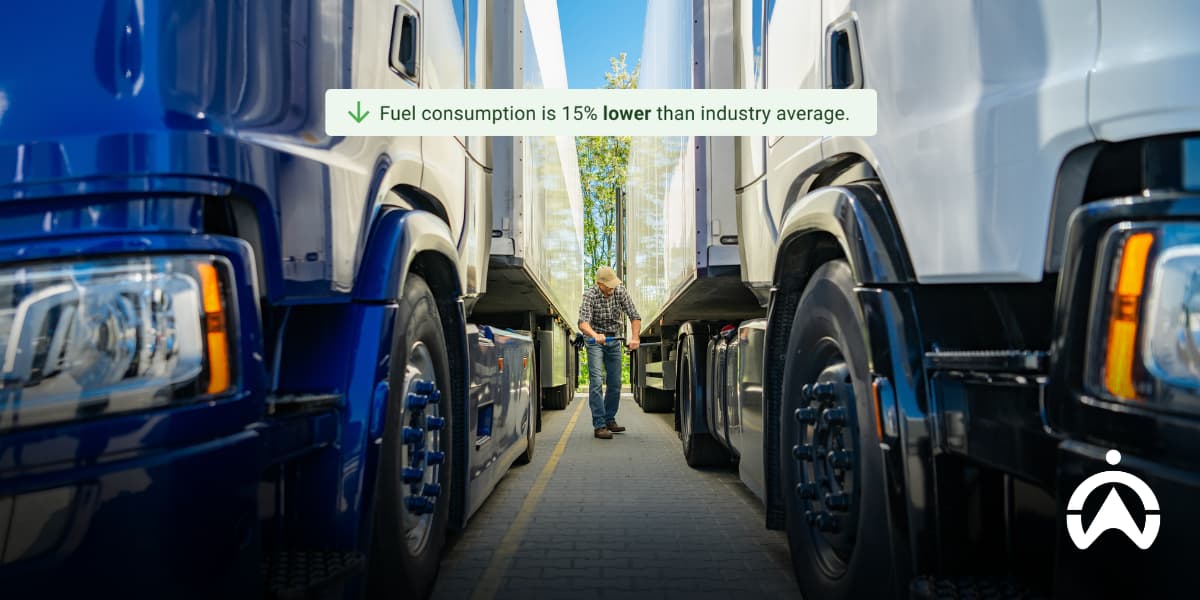
There’s a more traditional method to saving fuel without voiding your warranty or incurring a list of risks. Telematics. Telematics can’t make your truck run faster, but it can help you save fuel, monitor the health of your trucks, and give you a complete overview of how your fleet is performing overall.
Let’s compare each of them.
It’s clear that the benefits gained from telematics do outshine ECU tuning, but if you want the benefits of all of them, you can implement them both. This way you can save even more fuel, easily monitor vehicle health, and completely improve your vehicle’s performance.
If you’re looking for a reputable telematics provider who can give you more bang for your buck, then speak to one of our specialists today!

Discover how ECU tuning can cut fleet fuel consumption by up to 10%. Explore the pros, cons, and other smart ways to save on diesel with Cartrack.